
 English
 русский
 Español
 عربى
عربى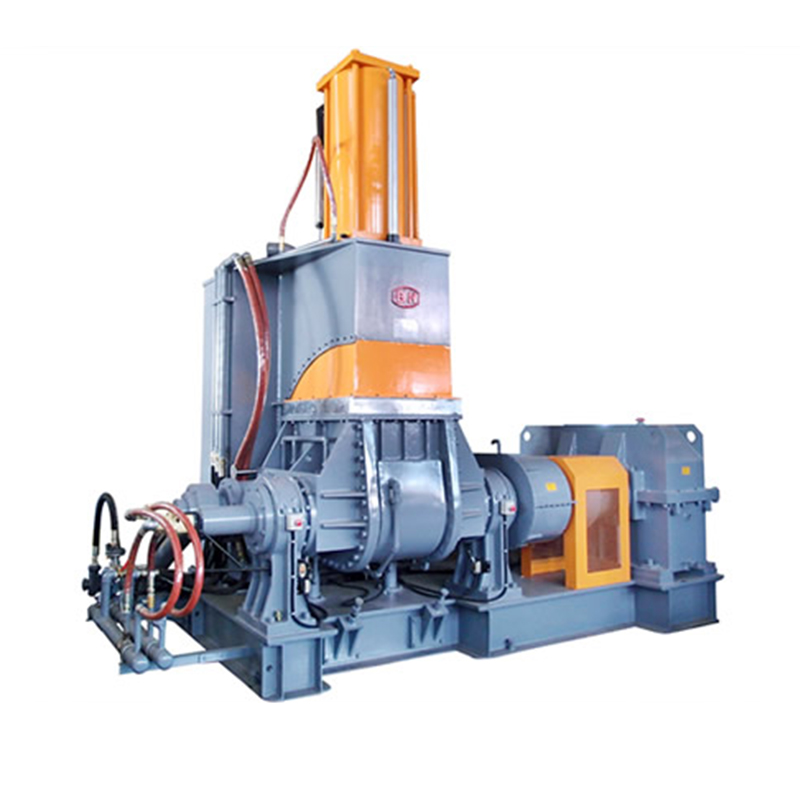
OTT RubberTech is a professional solution provider of rubber process formula, material, machinery with Mixer, Rubber Mixer, Mixing Mill, Precision Performer, Vulcanizing Press, Calender, batch-off Cooling unit, rubber Extruder, and other support plastic machines.
Features and Performance
The performance of a dispersion kneader is measured by its mixing efficiency and the uniformity of the resulting compound. These machines are engineered with high-wear resistant alloys and advanced cooling jackets to manage the exothermic heat generated during intensive mixing cycles.
| Feature | Technical Specification |
|---|---|
| Mixing Chamber | Hardened Chrome Plated Steel |
| Cooling System | High-Flow Water Jacketed Jackets |
| Rotor Type | Standard or Synchronous Rotors |
| Dust Sealing | Mechanical or Dry Oil Sealing |
| Control System | PLC with Touch Screen Interface |
| Automation | Automatic Temperature and Time Control |
Key performance indicators include a significant reduction in mixing time compared to open mills and a dust-free environment that complies with modern environmental standards. The optimized rotor geometry ensures that even the most difficult-to-disperse additives are integrated without creating hot spots that could lead to premature vulcanization or scorching of the rubber compound.
Usage Tips and Techniques
Operational efficiency depends on the correct loading sequence and temperature management. To optimize the dispersion of fillers like carbon black, a staged feeding approach is often recommended. Maintaining the correct ram pressure is also vital for ensuring that the material is kept in constant contact with the rotors, preventing dead zones within the chamber.
| Operational Step | Best Practice Technique |
|---|---|
| Feeding Sequence | Load polymers first, then small chemicals, followed by fillers |
| Temperature Monitoring | Set discharge temperature limits to prevent scorching |
| Ram Pressure | Adjust pressure based on material viscosity (0.6 to 0.8 MPa) |
| Mixing Cycle | Utilize time-based or energy-based mixing triggers |
| Cleanliness | Purge the chamber when switching between color compounds |
Advanced users utilize the power curve monitoring feature to determine the precise moment of ingredient incorporation. By observing the torque peaks, operators can adjust the rotor speed dynamically to save energy and protect the motor from overload during the initial mastication phase of tough rubbers like EPDM or NBR.
Maintenance Skills
Regular maintenance of a dispersion kneader ensures long-term precision and prevents costly downtime. The most critical areas involve the lubrication of the rotor bearings and the inspection of the dust-stop sealing rings. Over time, abrasive fillers like silica can wear down the chamber walls, necessitating periodic measurements of the clearance between the rotor tips and the chamber casing.
| Component | Maintenance Task | Frequency |
|---|---|---|
| Dust Seals | Inspect for leaks and replenish lubricant | Daily |
| Lubrication System | Check oil levels and filter condition | Weekly |
| Rotor Clearance | Measure gap between rotor and wall | Monthly |
| Cooling Channels | Flush with descaling agent to maintain efficiency | Quarterly |
| Hydraulic Unit | Change hydraulic oil and inspect hoses | Annually |
Effective maintenance also includes monitoring the hydraulic system that operates the ram and the discharge door. Any fluctuations in pressure could indicate a failing pump or a leak in the cylinders. Keeping a detailed log of the temperature sensors' accuracy is also essential for maintaining batch consistency and preventing material waste due to incorrect thermal readings.
Application Scenarios
Dispersion kneaders are versatile tools used across multiple industries where high-performance polymer compounding is required. They are particularly effective in the production of automotive parts, industrial seals, and technical rubber goods. The ability to handle high-fill loads makes them the preferred choice for manufacturing masterbatches and highly reinforced compounds.
| Industry | Typical Application |
|---|---|
| Automotive | Tires, engine mounts, and weatherstripping |
| Electronics | Insulation materials and conductive rubber parts |
| Construction | Bridge bearings and waterproof membranes |
| Medical | High-purity silicone tubing and stoppers |
| Footwear | High-wear shoe soles and athletic gear |
In the specialized field of silicone extrusion, dispersion kneaders are used to blend liquid or solid silicone with colorants and curing agents without introducing air bubbles. For the heavy-duty industrial sector, these machines are employed to mix large volumes of natural rubber with high percentages of carbon black for conveyor belts and mining equipment liners, ensuring that the final products can withstand extreme mechanical stress.

