
 English
 русский
 Español
 عربى
عربى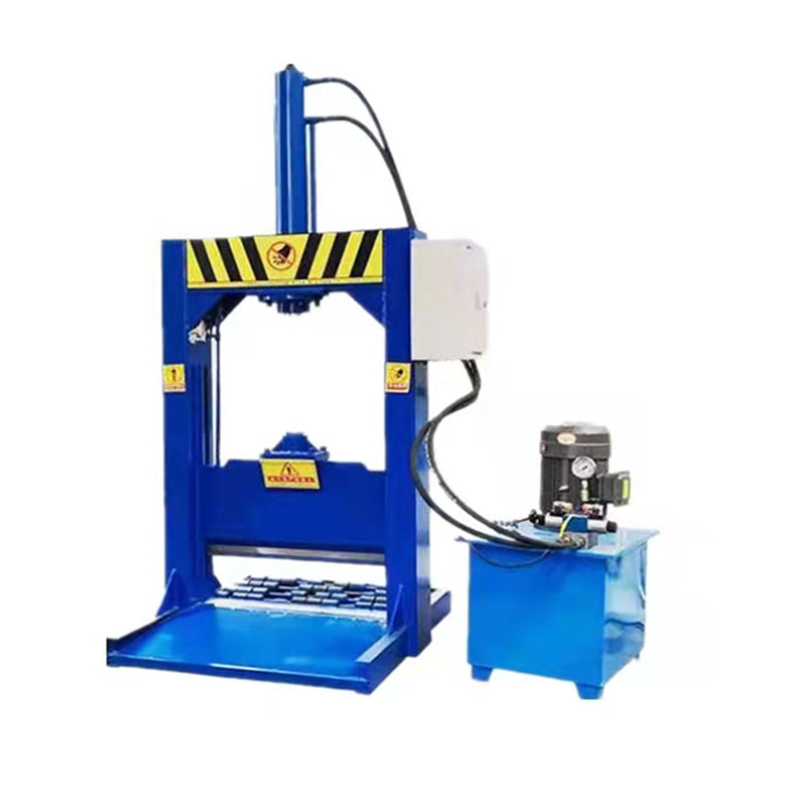
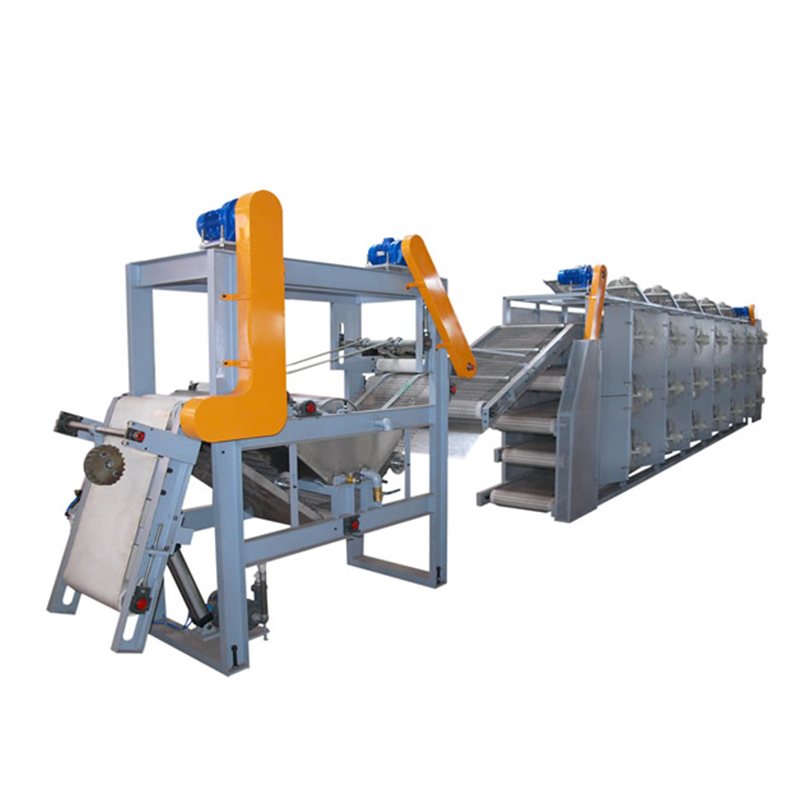
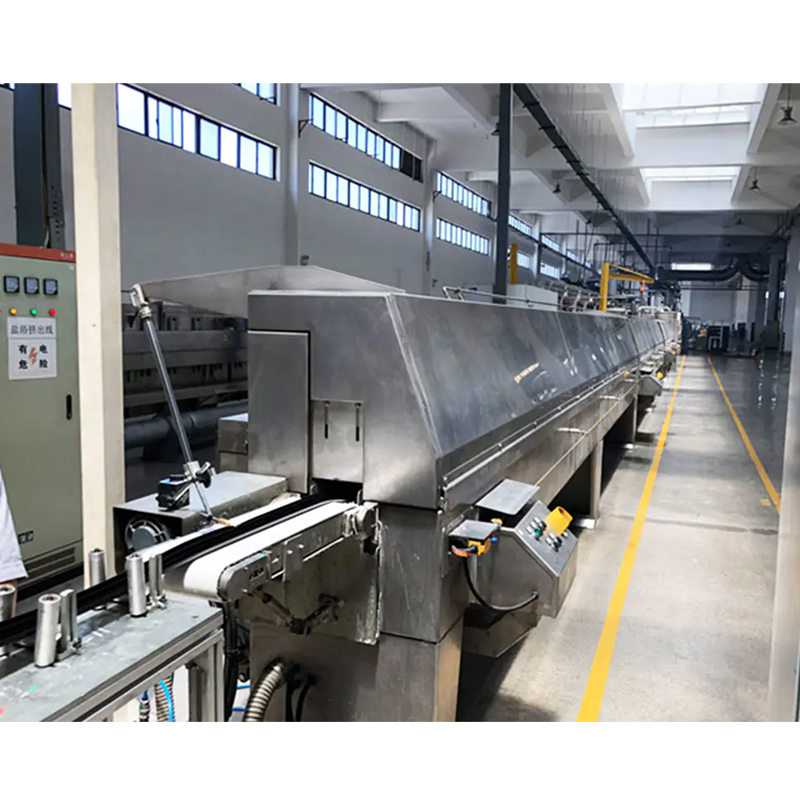
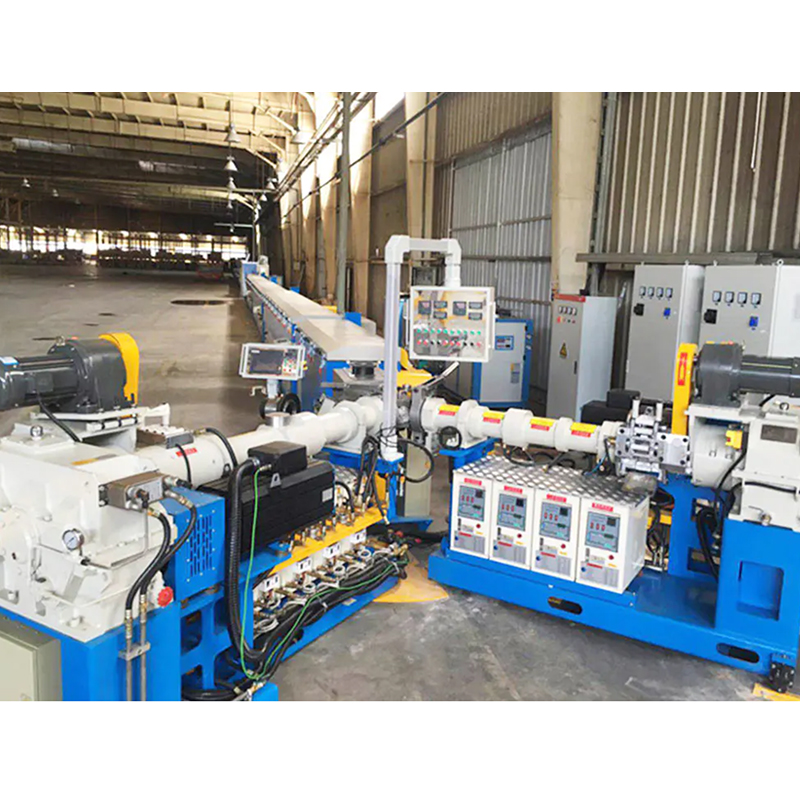
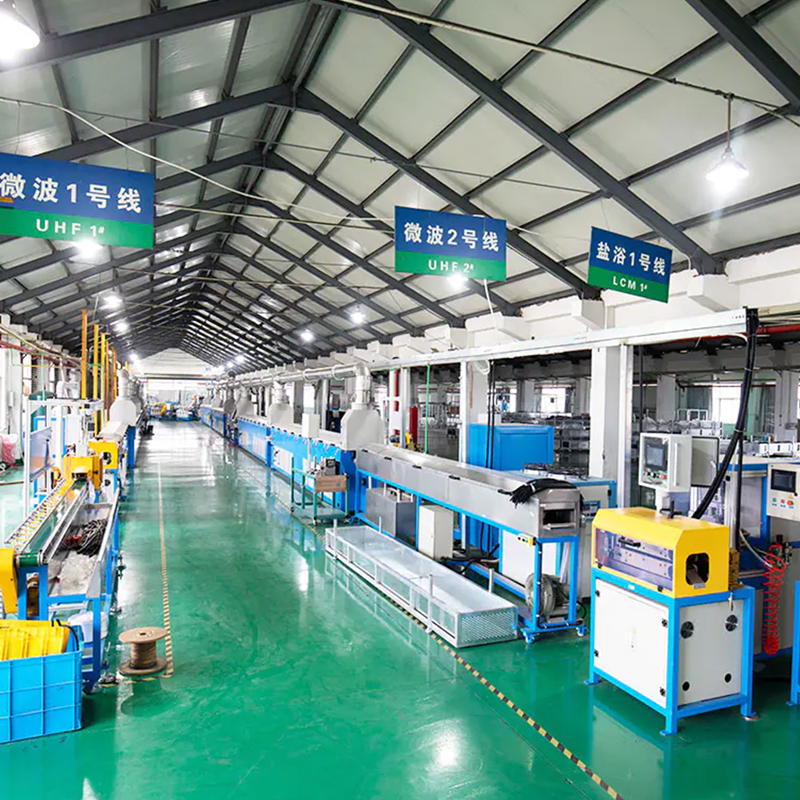
OTT RubberTech is a professional solution provider of rubber process formula, material, machinery with Mixer, Rubber Mixer, Mixing Mill, Precision Performer, Vulcanizing Press, Calender, batch-off Cooling unit, rubber Extruder, and other support plastic machines.
Features and Performance
Performance parts for kneaders are defined by their material composition and manufacturing tolerances. For example, rotor tips are often faced with tungsten carbide or other high-hardness alloys to resist the abrasive action of fillers like silica. Similarly, dust seals must be able to maintain a tight fit under fluctuating pressures to prevent ingredient leakage.
| Essential Spare Part | Key Performance Feature |
|---|---|
| Rotor Blades | Wear-resistant alloy facing (HRC 60+) |
| Chamber Liners | High thermal conductivity and hardness |
| Dust-Stop Seals | Self-lubricating or pressure-balanced design |
| Discharge Door Seals | Heat-resistant elastomer or metal-to-metal |
| Hydraulic Cylinders | Precision honed bores and high-pressure seals |
| Thermocouples | High-response rate for accurate tracking |
A key performance advantage of premium spare parts is their exact fit, which minimizes the "break-in" period and prevents secondary wear on adjacent components. For instance, a perfectly machined rotor will maintain the correct clearance with the chamber wall, ensuring optimal shear rates are maintained. High-quality electrical components, such as heavy-duty contactors and PLC modules, ensure that the automation system remains responsive and reliable even in the harsh electrical environment of a rubber factory.
Usage Tips and Techniques
The best technique for managing spare parts is a proactive inventory system combined with a detailed wear-tracking log. By measuring the wear on rotors and liners during scheduled maintenance, managers can predict when a part will reach its limit and ensure a replacement is on-site. When installing new parts, especially seals and bearings, it is vital to use the correct specialized lubricants recommended by the manufacturer.
| Part Management | Technical Tip |
|---|---|
| Rotor Replacement | Always replace bearings and seals at the same time |
| Seal Installation | Ensure surfaces are ultra-clean to prevent premature leaks |
| Sensor Updates | Calibrate new thermocouples against a master probe |
| Inventory Strategy | Keep high-wear items (seals, filters) in stock at all times |
| Part Sourcing | Use parts made from the original material specifications |
For companies running multiple kneaders, standardizing parts across different machines can simplify maintenance and reduce inventory costs. When installing high-torque components like drive shafts or gears, using a laser alignment tool ensures that there is no unnecessary stress on the system, which could lead to premature fatigue. Furthermore, documenting the serial numbers and installation dates of all major spare parts helps in analyzing the cost-per-hour of the equipment and identifying potential issues with specific material grades.
Maintenance Skills
Maintenance of the spare parts themselves involves proper storage and handling before they are even installed. Precision seals and gaskets should be stored in a cool, dark environment to prevent the rubber from aging or "ozone cracking." Mechanical parts like rotors should be supported correctly to prevent bowing or damage to the machined surfaces. Once installed, the maintenance shifts to monitoring the interface between the new part and the existing machine.
| Maintenance Area | Skill / Procedure | Frequency |
|---|---|---|
| Seal Monitoring | Check for initial "seating" leaks | First 24 hours of use |
| Rotor Torque | Monitor motor amp draw for unusual spikes | Daily after install |
| Lubrication Lines | Flush lines before connecting to new bearings | Upon installation |
| Fastener Torque | Re-tighten bolts after first thermal cycle | After 8 hours of use |
| Parts Cleaning | Remove anti-rust coatings before installation | Upon unboxing |
Developing the skill to identify "early warning" signs in parts can save thousands in repairs. For example, a slight increase in the temperature of a bearing housing often indicates that the new bearing was either over-greased or misaligned. Similarly, watching for fine dust around the rotor shafts can indicate that the dust-stop seal is not seated correctly. Training maintenance staff on the specific tolerances of the kneader's internal components is essential for ensuring that repairs are carried out to the highest possible standard.
Application Scenarios
Spare parts support is critical across all industries that rely on high-volume rubber mixing. Whether it is a tire plant operating 24/7 or a specialized silicone manufacturer producing high-purity medical goods, the availability of the right part at the right time is the difference between a productive shift and a total line stoppage. These parts are used in various types of kneaders, including dispersion, high-pressure, and vacuum types.
| Industry Requirement | Critical Spare Part Application |
|---|---|
| Tire Manufacturing | Heavy-duty rotors for high carbon black loading |
| Technical Rubber Goods | Precision seals for oil-resistant compounds |
| Silicone Extrusion | Mirror-finished liners for translucent grades |
| Recycling Facilities | Extra-hardened blades for crumb rubber processing |
| Adhesive Production | Specialized discharge valves for high-tack resins |
In highly abrasive environments, such as those processing recycled rubber or glass-filled compounds, the demand for hardened chamber liners and rotor tips is significantly higher. In contrast, in the pharmaceutical rubber sector, the focus is on the supply of high-purity, non-contaminating seals and gaskets that can withstand frequent sterilization or aggressive cleaning agents. Regardless of the niche, having a "critical spares" kit that includes items like fuses, solenoids, and emergency stop switches is a standard best practice for any modern manufacturing facility.

