 English
 русский
 Español
 عربى
عربىThe working principle of the automatic strip cutter and loader combines the functions of the automatic strip cutter and ...
This machine meets the requirements of the internal mixer/kneading machine host for the st...
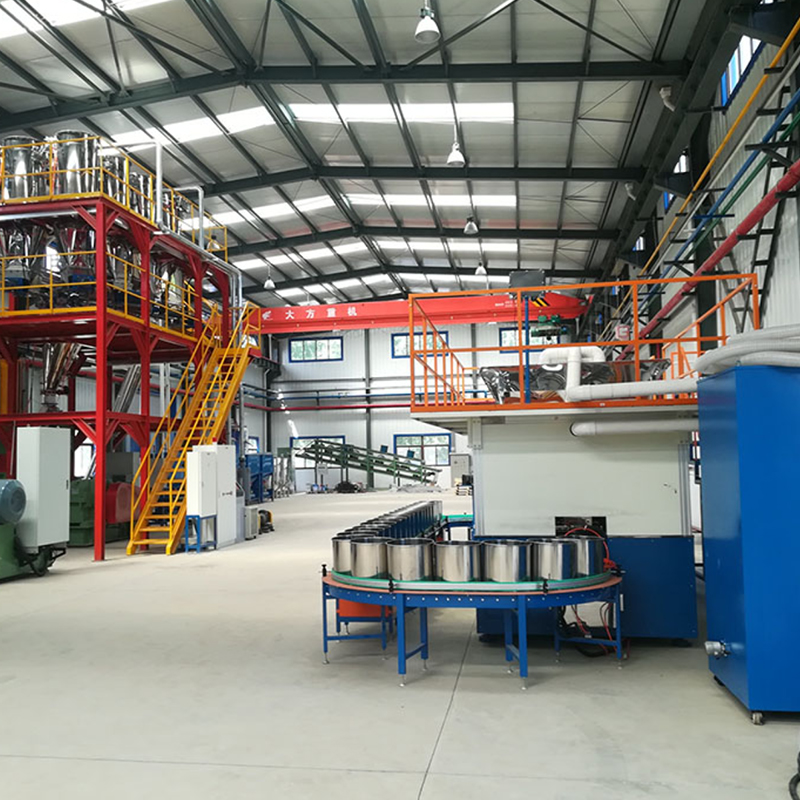
This machine meets the requirements of the internal mixer/kneading machine host for the st...
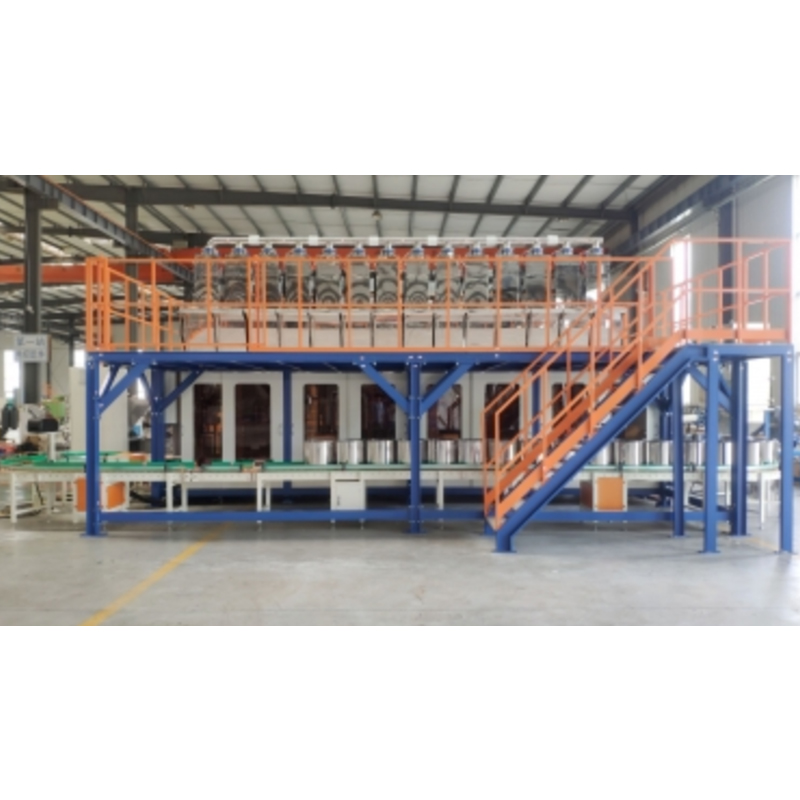
The machine for rubber, cable polymer materials, silicone, friction materials, plastics, p...
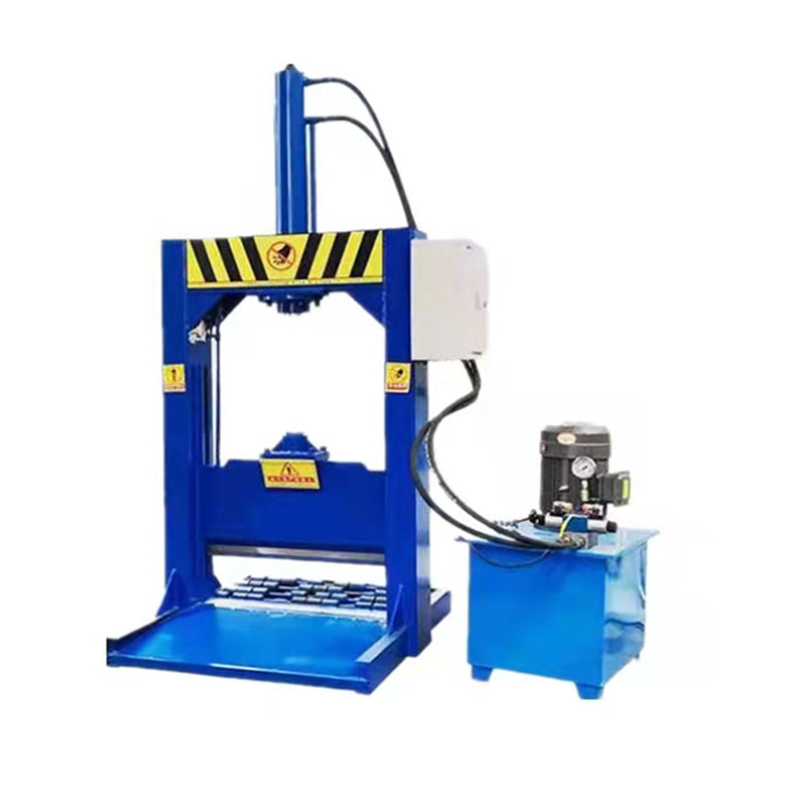
Suitable for cutting natural rubber, synthetic rubber, and various plastic materials. This...
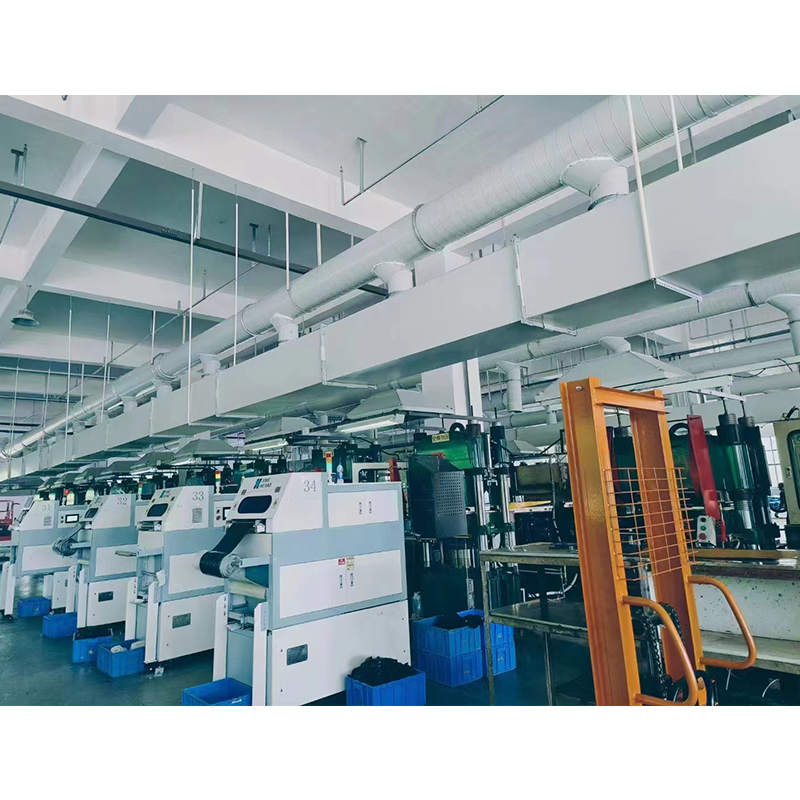
The working principle of the automatic strip cutter and loader combines the functions of the automatic strip cutter and ...
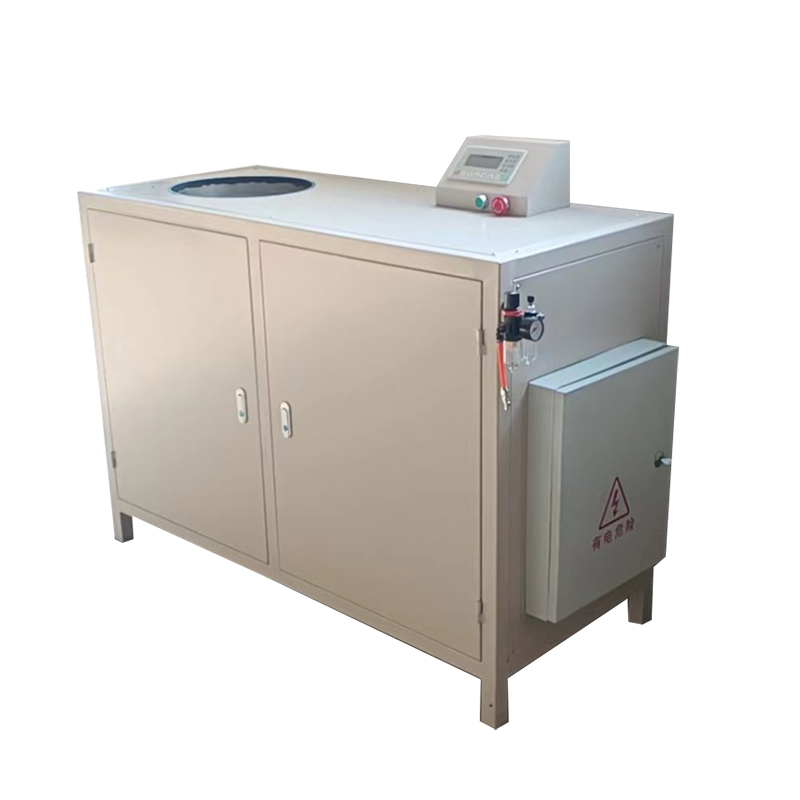
O-ring trimming machines mainly include mechanical punching trimming, frozen trimming, and production using flash-free m...
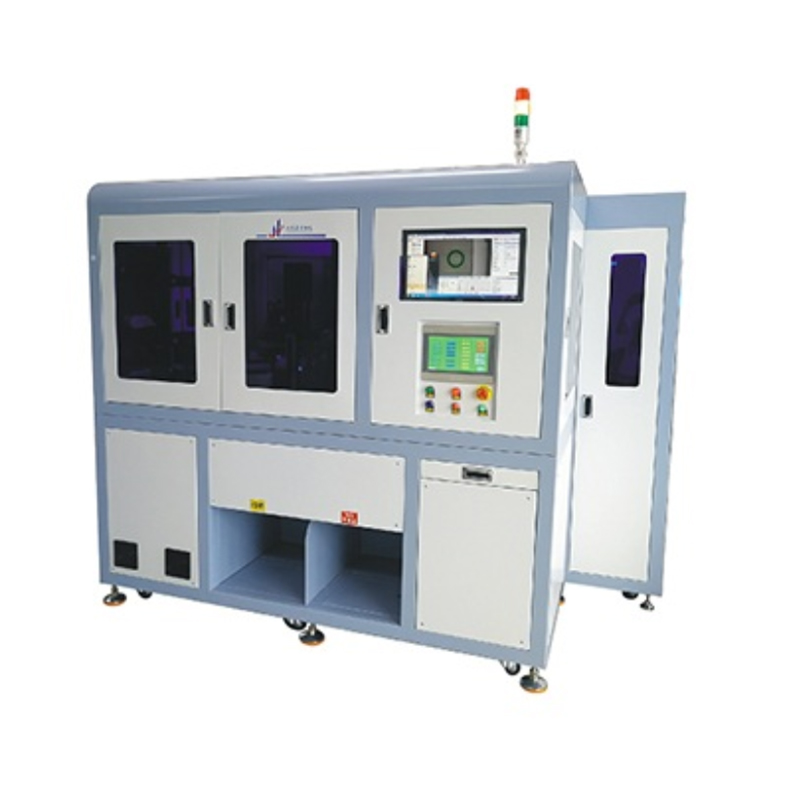
The working principle of the O-ring visual inspection machine is based on machine vision technology. It collects images ...
Rubber Mixing Machine: The Equipment That Decides Batch Quality Before You Reach the Mold If you produce rubber seals, O-rings, footwear soles, hoses, or compo...
READ MOREA rubber parts manufacturer producing 50,000 O-rings a month with compression molding accepts a scrap rate around 8 percent. After moving one part family to in...
READ MOREA rubber extruder machine is the most efficient way to convert uncured rubber compound into continuous profiles, tubes, strips, and sheets. It transports compo...
READ MOREA calender machine is the rubber line equipment that converts a mixed compound into a continuous sheet with precise thickness or bonds that compound to a fabri...
READ MOREWhen a rubber profile needs two different materials in one cross-section, bonding them after extrusion creates a weak point and an extra labor step. The co ext...
READ MOREThe production of O-rings—one of the most commonly used sealing devices in industries such as automotive, aerospace, and manufacturing—requires specialized equipment designed to ensure precision, quality, and durability. O-rings are typically used to seal connections and prevent leakage of gases or liquids in static or dynamic applications. Given their critical role in maintaining the integrity of machines and systems, the manufacturing of O-rings involves highly specialized processes and machinery.
Precision Manufacturing:
Material Handling and Mixing:
Molding and Curing:
Automation and High Throughput:
Compression molding is one of the most common techniques used to form O-rings. The O-ring profile is placed into a heated mold, and pressure is applied to form the final shape. The rubber material then undergoes vulcanization during this process, which cross-links the polymers to make the rubber elastic and durable.

Room 602, No.91, Lane 555, Chenchuan Road,Baoshan District, Shanghai,China.200949
+86-186 1618 0786
+86-021 660 110 29

