
 English
 русский
 Español
 عربى
عربى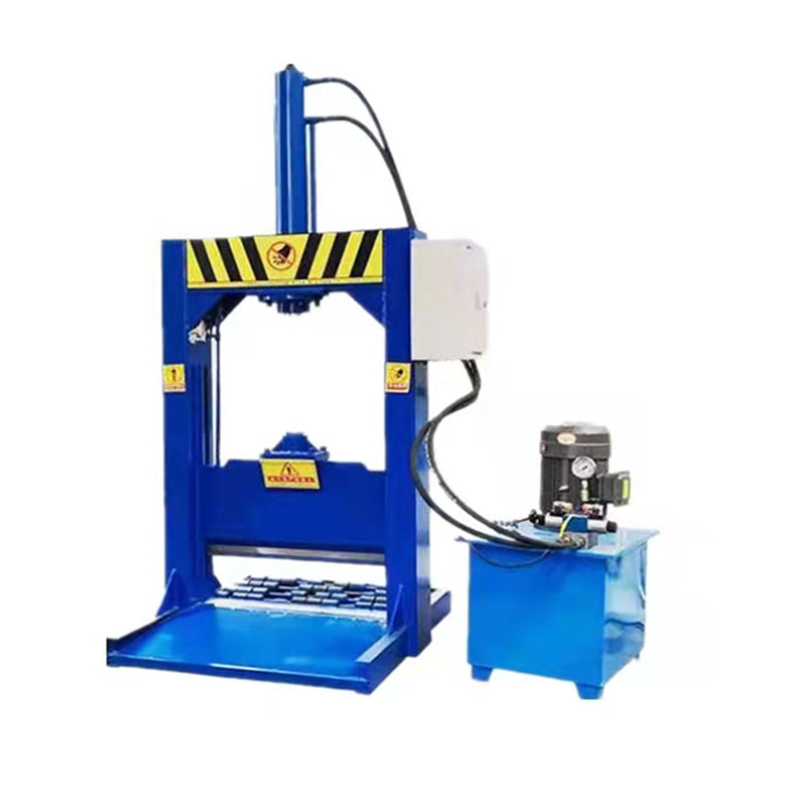
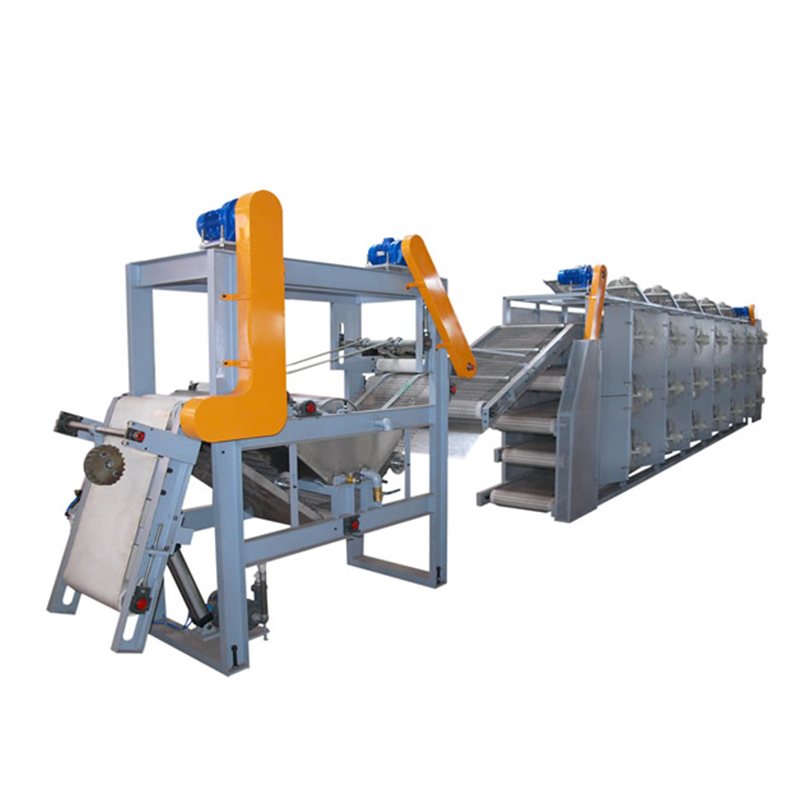
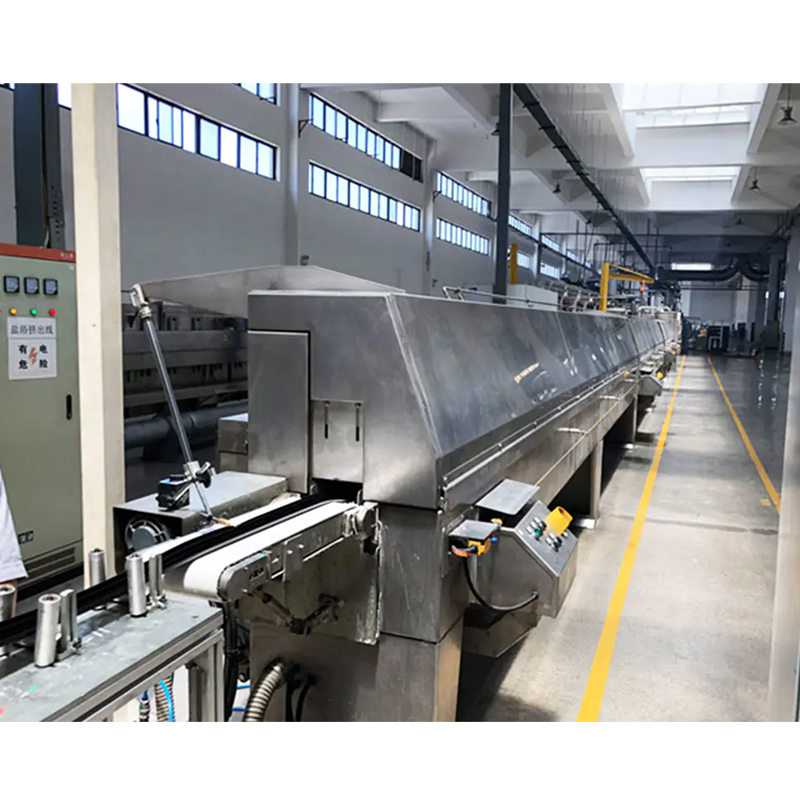
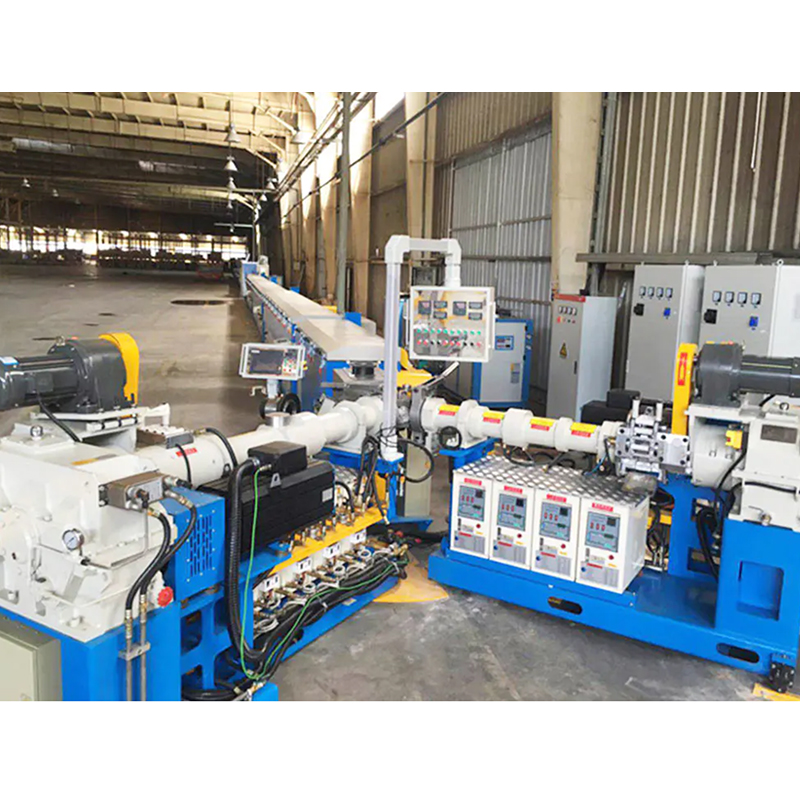
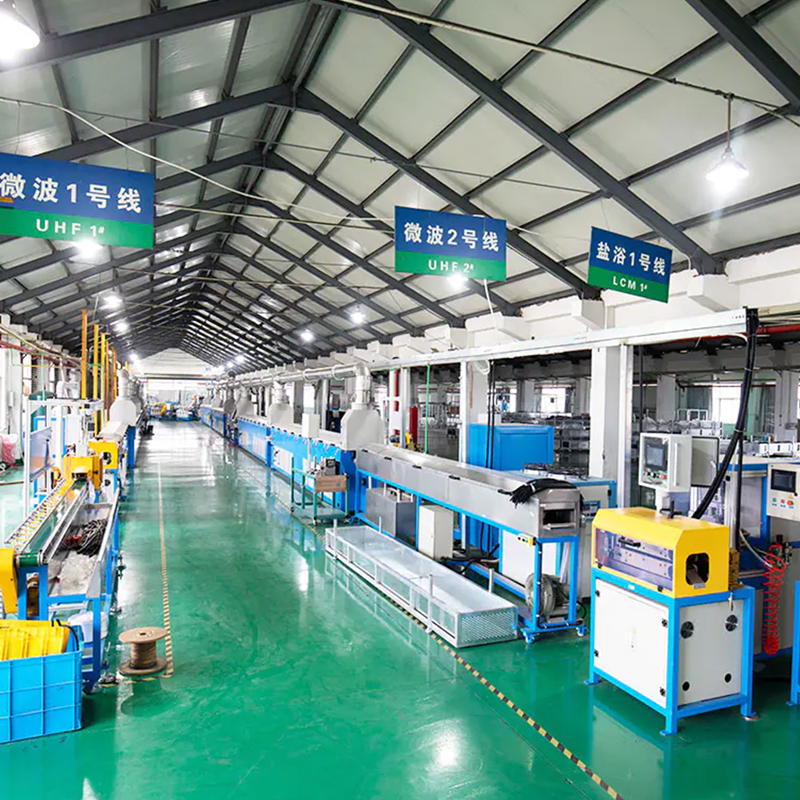
OTT RubberTech is a professional solution provider of rubber process formula, material, machinery with Mixer, Rubber Mixer, Mixing Mill, Precision Performer, Vulcanizing Press, Calender, batch-off Cooling unit, rubber Extruder, and other support plastic machines.
Features and Performance
The performance of a dispersion analyzer is measured by its image resolution and the speed of its analysis software. Modern units can analyze a sample in seconds, providing a detailed map of filler distribution and detecting particles as small as a few microns.
| Technical Feature | Performance Standard |
|---|---|
| Optical Magnification | Typically 30x to 100x |
| Imaging System | High-resolution CMOS or CCD camera |
| Lighting Type | Dark-field or grazing incidence LED lighting |
| Standard Compliance | ASTM D7723, ISO 11345 |
| Analysis Time | Less than 10 seconds per sample |
| Database Link | Automatic export of images and ratings to QC system |
A key feature is the "automatic thresholding" software, which can distinguish between fillers and the rubber matrix regardless of the compound's color (though it is most commonly used for black compounds). The inclusion of a precision sample cutter ensures that the surface being analyzed is perfectly flat and fresh, which is vital for accurate optical measurement. Many systems also provide a "Histogram" of particle sizes, allowing engineers to see if a mixing problem is due to large undispersed chunks or a general lack of homogenization.
Usage Tips and Techniques
For accurate dispersion ratings, the sample surface must be cut cleanly without "smearing" the rubber. Use a fresh, sharp razor blade for every sample. If the rubber is very soft, it may be helpful to freeze the sample in liquid nitrogen before cutting to ensure a brittle, clean break. Always analyze at least three different areas of the batch to ensure the results are representative of the entire mix.
| Analysis Step | Optimization Technique |
|---|---|
| Sample Prep | Use a new blade and a single, swift cutting motion |
| Surface Cleaning | Use compressed air to remove dust before imaging |
| Focusing | Ensure the software's auto-focus is calibrated |
| Standard Comparison | Compare digital images against physical "Standard Blocks" |
| Statistical Count | Analyze multiple points to calculate a Batch Average |
Engineers can use the dispersion analyzer to optimize the mixing cycle in the kneader. For example, if the analyzer shows large undispersed agglomerates, it is a clear sign that the mixing time or the ram pressure needs to be increased. Conversely, if dispersion is perfect but the rubber properties are poor, it may indicate that the rubber is being "over-mixed," causing polymer degradation. Combining dispersion data with MDR cure curves provides a complete picture of the compound's quality.
Maintenance Skills
Maintenance for dispersion analyzers focuses on the cleanliness of the optics and the calibration of the imaging software. Because these machines are used in rubber factories, they are prone to carbon black dust settling on the lenses. The optical path should be cleaned with specialized lens tissue and cleaner weekly. The software's "pixel-to-micron" calibration should be verified using a certified calibration slide.
| Maintenance Area | Procedure | Frequency |
|---|---|---|
| Optical Lens | Clean with lens-grade air and tissue | Weekly |
| Calibration Slide | Verify magnification and scale accuracy | Monthly |
| LED Lighting | Check for consistent brightness and dead LEDs | Monthly |
| Sample Cutter | Replace blades and check for mechanical play | Daily |
| PC System | Clean dust filters and backup image database | Quarterly |
It is also important to maintain the sample holder to ensure the specimen is held perfectly flat during imaging. Any tilt in the sample will cause part of the image to be out of focus, leading to an incorrect dispersion rating. The internal camera should be checked for "hot pixels" or sensor degradation over time. Finally, the software's "Standard Library" (the reference images used for rating) should be backed up to ensure the consistency of ratings over years of production.
Application Scenarios
Dispersion analyzers are critical for any industry where rubber performance is a safety or durability issue. This includes tire manufacturing, aerospace seals, and high-pressure hosing. They are used both in the R&D lab for formula development and on the production line for real-time mixing process control.
| Industry Sector | Usage Context |
|---|---|
| Tire Industry | Optimizing wear and rolling resistance |
| Aerospace | Ensuring zero defects in critical fuel seals |
| Conveyor Belting | Maximizing the life of abrasive-resistant covers |
| Technical Rubber | Troubleshooting batch-to-batch property variations |
| Raw Material Suppliers | Verifying the quality of pre-dispersed masterbatches |
In the tire industry, dispersion analysis is a key metric for "Green Tire" technology, where silica dispersion is much harder to achieve than carbon black but is essential for low fuel consumption. For manufacturers of conveyor belts used in mining, the dispersion analyzer ensures that the reinforcing fillers are perfectly distributed to resist the impact and abrasion of heavy rocks. This tool essentially bridges the gap between the mixing room and the physical testing lab, providing the "why" behind poor material performance.

