
 English
 русский
 Español
 عربى
عربى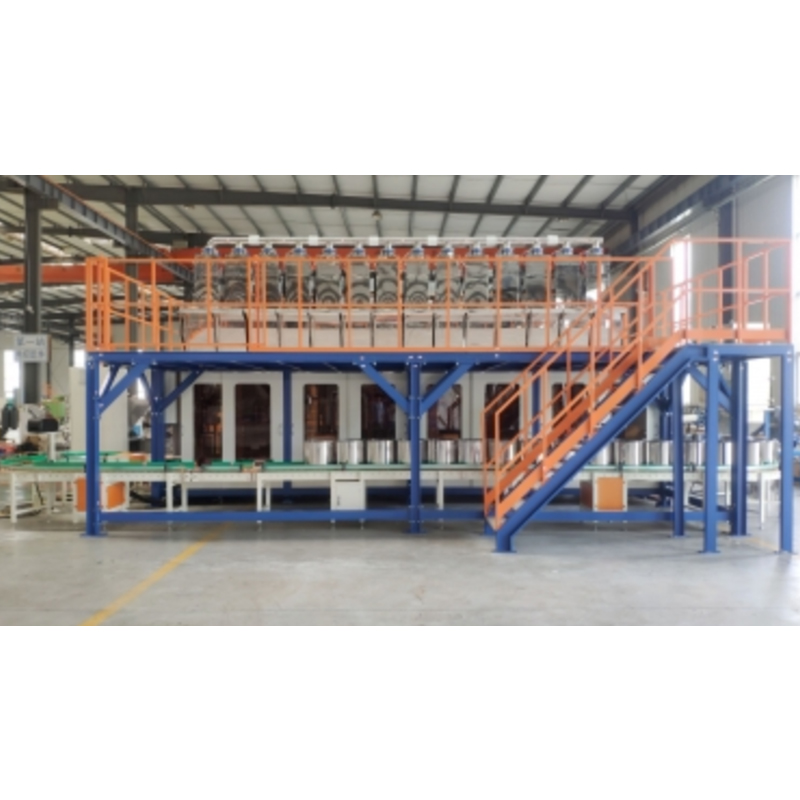
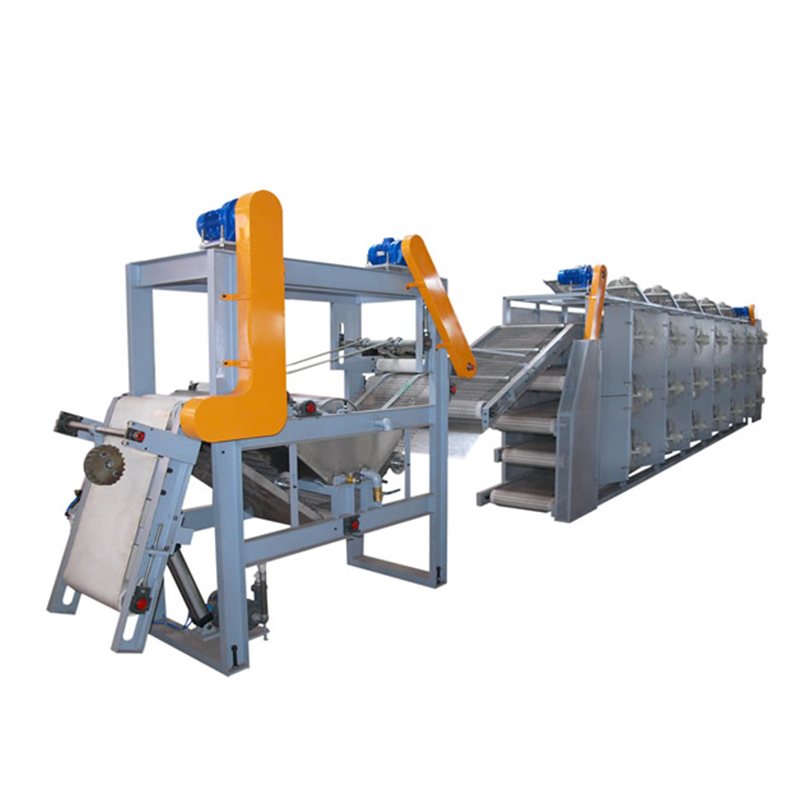
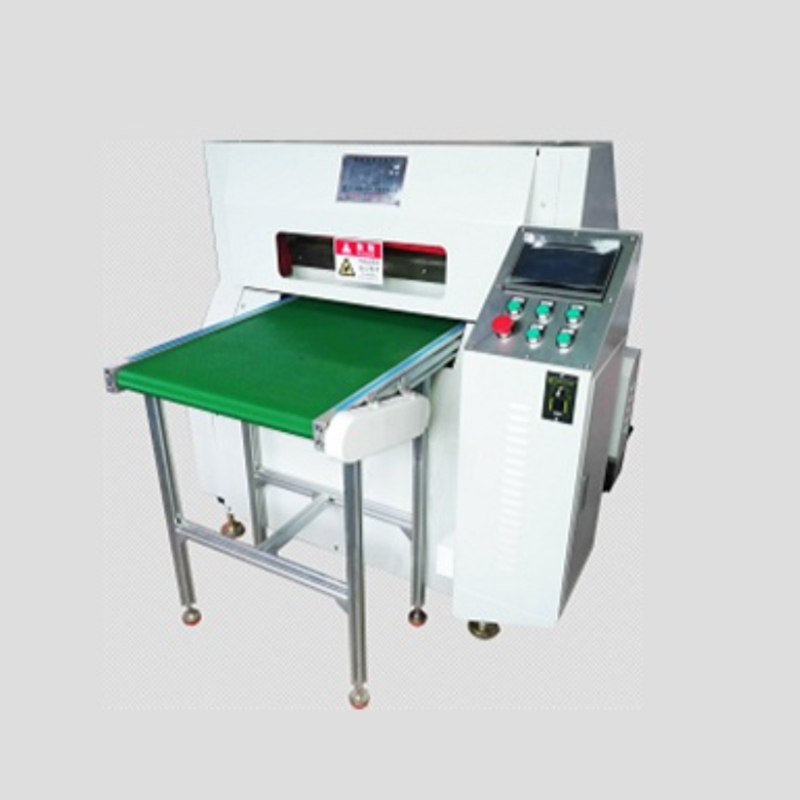
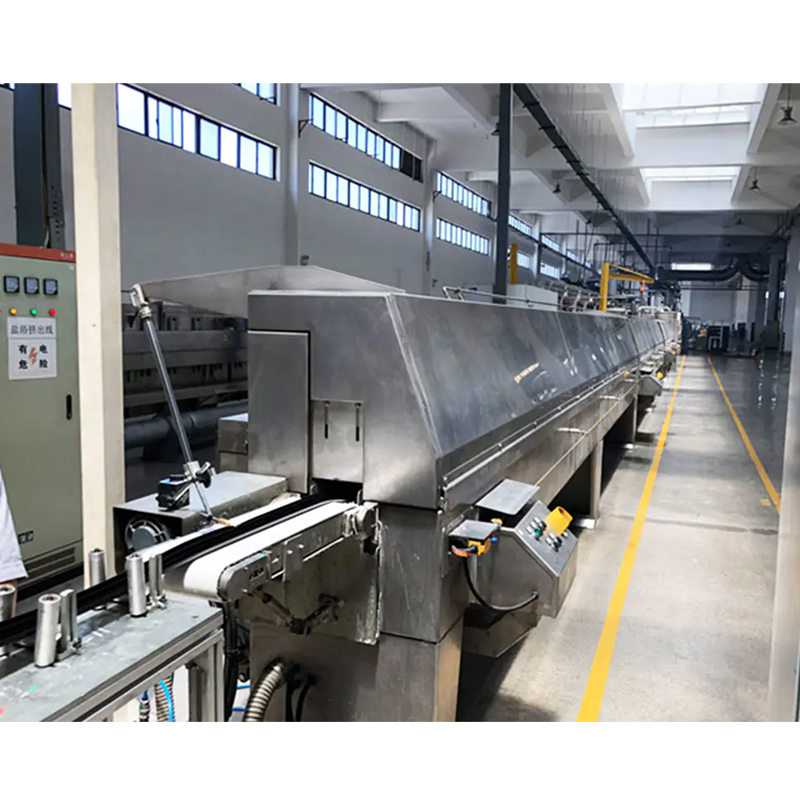
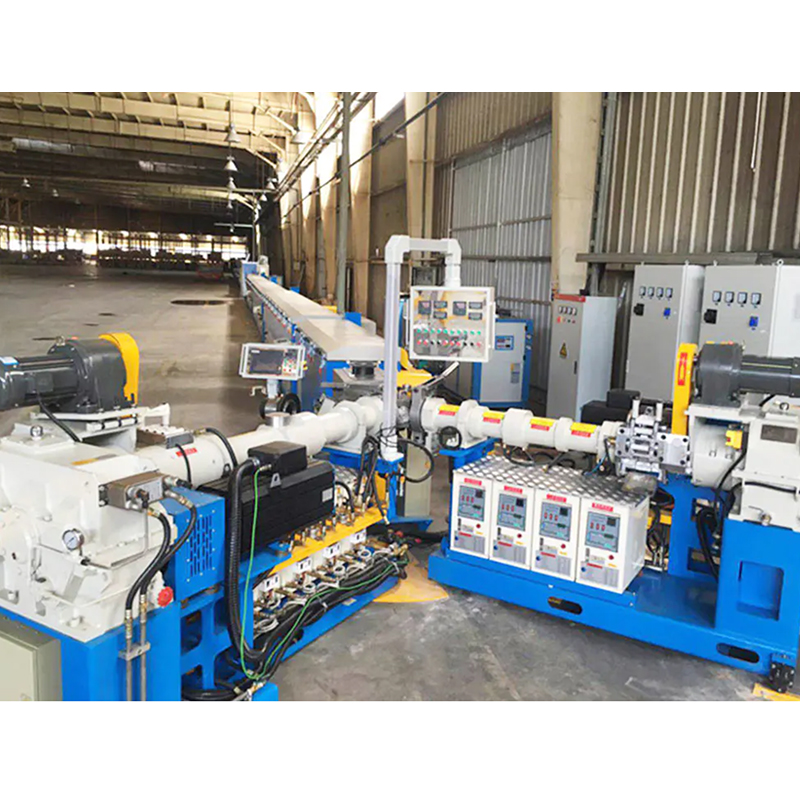
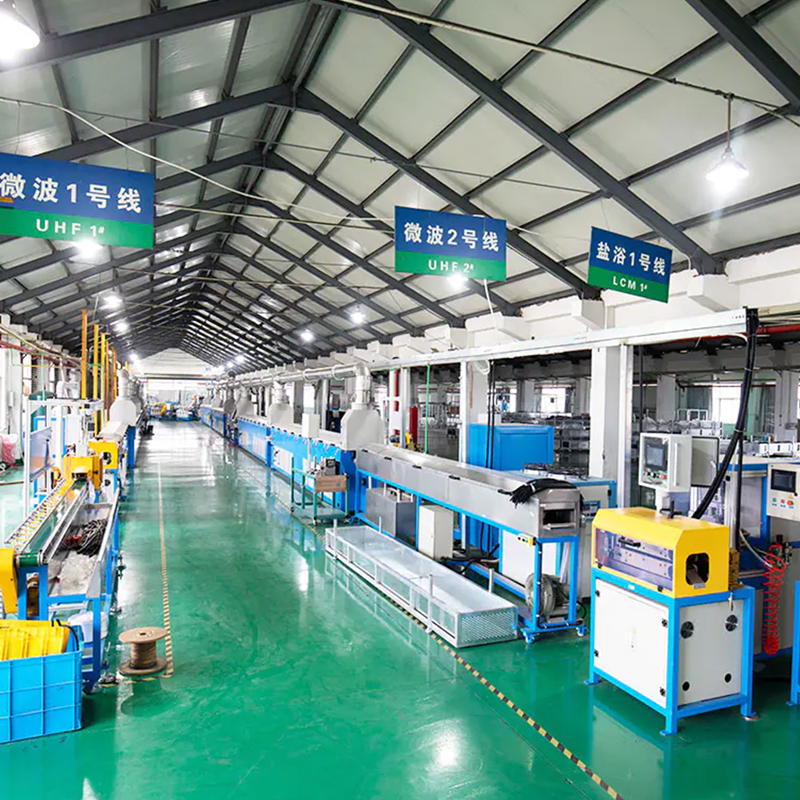
OTT RubberTech is a professional solution provider of rubber process formula, material, machinery with Mixer, Rubber Mixer, Mixing Mill, Precision Performer, Vulcanizing Press, Calender, batch-off Cooling unit, rubber Extruder, and other support plastic machines.
Features and Performance
The performance of an internal mixer is measured by its "fill factor" efficiency and the precision of its temperature control. Modern units feature tangential or intermeshing rotors designed to maximize the contact area between the rubber and the cooling surfaces.
| Feature | Technical Specification |
|---|---|
| Chamber Volume | Range from 25L up to 600L |
| Rotor Speed | Variable from 10 to 100 RPM |
| Cooling System | Drilled-hole rotors for maximum heat transfer |
| Ram Type | Hydraulic or pneumatic top-entry ram |
| Drive Motor | High-torque DC or AC Variable Frequency |
| Dust Sealing | High-precision hydraulic end-face seals |
Key performance benefits include a fully enclosed mixing process that captures carbon black dust, improving factory air quality. The use of intermeshing rotors provides superior cooling and a more uniform temperature distribution, making these mixers ideal for heat-sensitive compounds like silica-filled tire treads or high-performance EPDM gaskets.
Usage Tips and Techniques
To achieve maximum dispersion, the "Upside-Down" mixing technique is often used, where the powders and oils are added to the chamber before the rubber bales. This ensures that the filler is trapped by the rubber as the ram descends, preventing dust loss and shortening the mixing cycle.
| Process Step | Optimization Technique |
|---|---|
| Charging | Use automated weighing for precise additive dosing |
| Ram Pressure | Increase pressure for high-viscosity natural rubber |
| Dump Temp | Set the dump trigger 5 degrees below the scorch point |
| Oil Addition | Inject oils at multiple points to avoid rotor slippage |
| Rotor Speed | Slow down near the end of the cycle for temperature stabilization |
Operators should monitor the "Energy Input" (kWh) rather than just time to determine when a batch is finished. This accounts for variations in raw material viscosity and ensures that every batch receives the exact amount of mechanical work required for perfect dispersion. Regularly cleaning the ram and the intake throat prevents "pockets" of unmixed material from falling into the batch at the end of the cycle.
Maintenance Skills
Maintenance for high-speed mixers focuses on the rotor end-seals and the wear-resistant lining of the chamber. The end-seals are critical for preventing carbon black from leaking into the bearings; these should be checked for oil pressure and leakage daily. The rotors and chamber walls are usually coated with a hard-facing alloy that must be inspected for wear, as increased clearances lead to "dead zones" and poor mixing quality.
| Component | Maintenance Task | Frequency |
|---|---|---|
| Dust Seals | Inspect hydraulic pressure and lubricant flow | Daily |
| Rotor Bearings | Monitor temperature and vibration levels | Weekly |
| Chamber Lining | Measure clearances and inspect for pitting | Annually |
| Hydraulic Ram | Check cylinder seals and guide rail alignment | Monthly |
| Cooling Channels | Flush with descaling agent to maintain heat transfer | Quarterly |
It is also vital to maintain the lubrication system for the main gearbox. High-speed mixing puts extreme torque on the gear teeth, and any contamination in the oil can lead to catastrophic failure. Maintenance staff should also verify the accuracy of the thermocouples embedded in the chamber wall; a drifting temperature sensor can lead to a whole batch being dumped prematurely or, worse, scorched inside the machine.
Application Scenarios
Internal mixers are used in large-scale rubber production facilities where speed and automation are required. They are the standard for tire manufacturers, conveyor belt producers, and large technical rubber molding shops. They are often integrated into "Mixing Lines" that include automatic weighing, cooling conveyors, and sheet-off mills.
| Industry | Typical Application |
|---|---|
| Tires | Mixing masterbatch for tread, sidewall, and carcass |
| Industrial Belting | Preparing heavy-duty compounds for multi-ply belts |
| Automotive Parts | High-volume production of engine mounts and bushings |
| Footwear | Mixing colored compounds for large-scale sole production |
| Cable Industry | Preparing insulating and jacketing rubber for wires |
In the tire industry, these mixers are often used in a "Tandem" setup, where a large mixer handles the initial masterbatch and a second, smaller mixer handles the final chemical addition. This separation prevents the risk of early vulcanization. For the footwear industry, internal mixers allow for the rapid color-matching of batches, ensuring that thousands of shoe soles have the exact same shade and physical properties.

