
 English
 русский
 Español
 عربى
عربى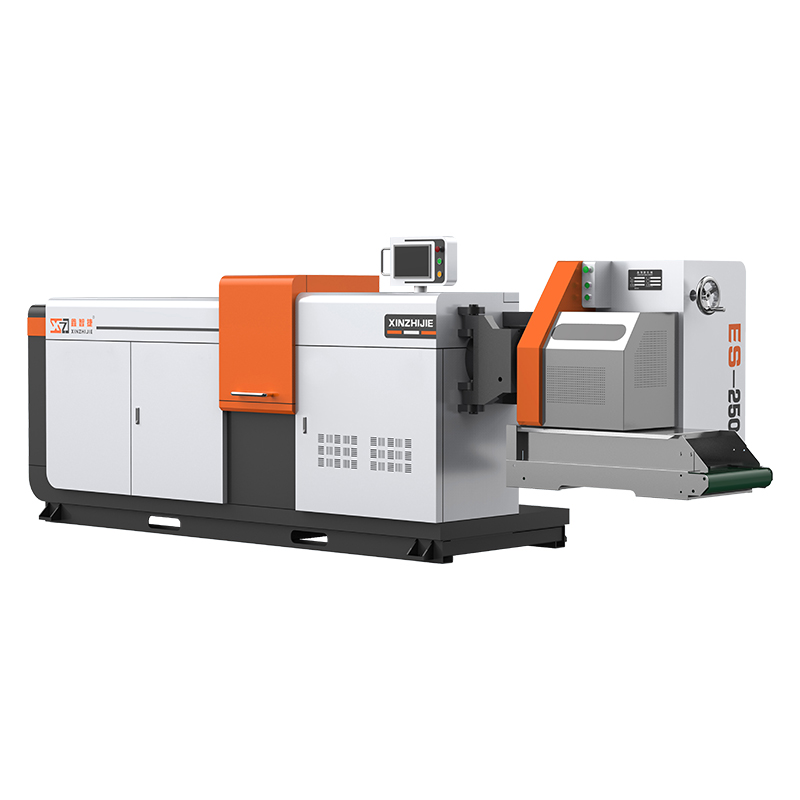
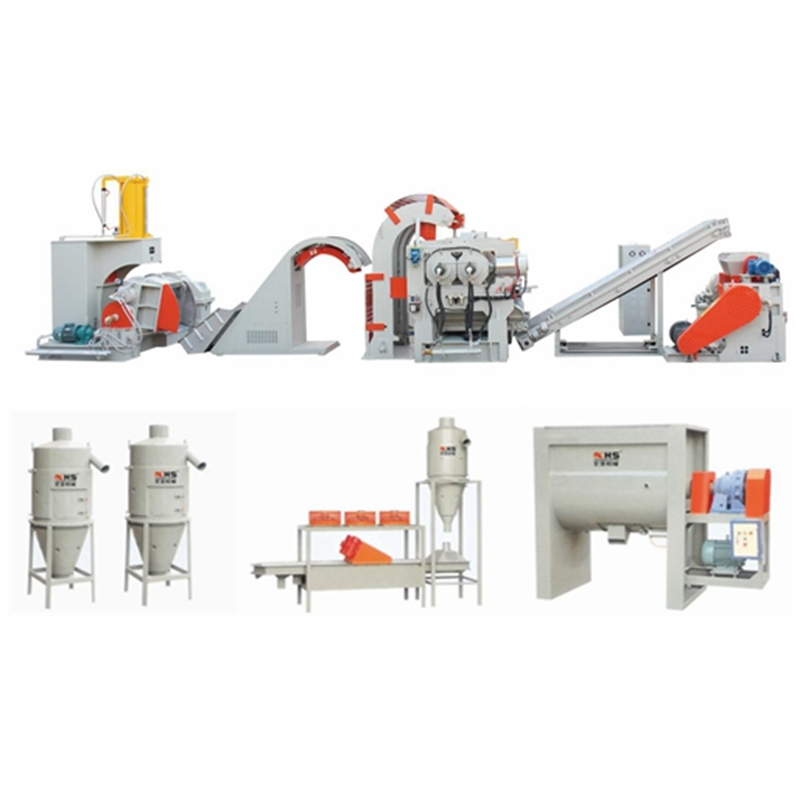
OTT RubberTech is a professional solution provider of rubber process formula, material, machinery with Mixer, Rubber Mixer, Mixing Mill, Precision Performer, Vulcanizing Press, Calender, batch-off Cooling unit, rubber Extruder, and other support plastic machines.
Features and Performance
The core performance characteristic of a hydraulic preforming system is its constant pressure delivery and high volumetric efficiency. By using proportional hydraulic valves, the machine can automatically adjust its output based on feedback from the cutting and weighing station. This ensures that every batch of preforms meets strict quality standards.
| System Feature | Performance Benefit |
|---|---|
| Proportional Valves | Smooth, infinitely variable speed control |
| Chrome-Plated Ram | High wear resistance and easy cleaning |
| Pressure Transducers | Real-time monitoring of extrusion force |
| Oil Cooling Unit | Maintains hydraulic fluid stability for 24/7 use |
| Quick-Change Dies | Reduces downtime during product switches |
| Digital Weight Link | Auto-correction of ram speed based on blank weight |
These systems are often equipped with independent cooling for the extrusion barrel and the hydraulic oil, ensuring that the machine can operate in high-temperature factory environments without losing precision. The hydraulic ram design also simplifies the cleaning process, as the piston can be fully retracted, providing easy access to the cylinder for material removal. This is a significant advantage when working with multiple colored compounds or expensive specialty elastomers.
Usage Tips and Techniques
For optimal performance in a hydraulic preformer, the hydraulic oil must be maintained at a stable temperature, typically between 40 and 50 degrees Celsius. Fluctuations in oil temperature will change its viscosity, which can lead to slight variations in ram speed and, consequently, preform weight. Operators should also ensure that the rubber material is free of air pockets by utilizing the machine's vacuum degasification cycle before starting the extrusion.
| Technical Step | Best Practice Tip |
|---|---|
| Oil Warm-up | Cycle the hydraulic system for 10 minutes before production |
| Vacuum Timing | Allow vacuum to reach -0.08 MPa before moving the ram |
| Lubrication Flow | Adjust cutting blade lubricant for a thin, even mist |
| Material Loading | Ensure rubber slabs are cut to the width of the cylinder |
| Emergency Stop | Verify that the ram retracts automatically upon E-stop |
When processing rubber with high filler content, the friction between the rubber and the cylinder wall can generate heat. In these cases, reducing the ram speed slightly and increasing the cooling water flow through the barrel jacket will help maintain the material properties. Using a high-quality, anti-wear hydraulic oil is essential for protecting the precision valves and ensuring that the ram moves with the highest possible degree of smoothness.
Maintenance Skills
Maintenance for hydraulic preformers is focused on the health of the hydraulic circuit and the integrity of the ram seals. Leakage at the ram seal not only causes a mess but also leads to pressure loss, which destroys the weight accuracy of the preforms. The hydraulic oil should be filtered and replaced according to the manufacturer's schedule to prevent the buildup of sludge and metal shavings that can clog proportional valves.
| Component Group | Maintenance Procedure | Frequency |
|---|---|---|
| Main Ram Seals | Check for hydraulic oil bypass or leaks | Weekly |
| Hydraulic Filters | Replace elements when indicator shows red | Monthly |
| Heat Exchanger | Clean cooling fins or flush water pipes | Quarterly |
| Valve Calibration | Verify response of proportional control valves | Annually |
| Cylinder Bore | Inspect for scoring or pitting | Annually |
It is also important to check the alignment of the ram and the cylinder. If the ram is not perfectly centered, it can cause uneven wear on the seals and the cylinder wall, eventually leading to a costly overhaul. The electrical connections for the pressure transducers and temperature sensors should be checked for tightness, as loose wires can cause erratic signals that lead the PLC to make incorrect weight adjustments. Regular maintenance of the cutting motor and blade holder ensures that the mechanical side of the machine matches the precision of the hydraulic side.
Application Scenarios
Hydraulic preforming systems are the preferred choice for manufacturing large, heavy-weight rubber blanks used in the production of bridge bearings, solid tires, and large-scale industrial gaskets. The high force capability of the hydraulic ram allows it to push rubber through complex die shapes that would stall a mechanical system. This makes them highly versatile for custom manufacturing jobs.
| Industry Sector | Application Focus |
|---|---|
| Infrastructure | Bridge bearings and seismic isolators |
| Heavy Industry | Large-diameter pipe seals and valve liners |
| Mining | Heavy-duty screen mats and wear parts |
| Transportation | Truck engine mounts and suspension bushings |
| Agriculture | Tracked vehicle pads and large tire bladders |
In the production of seismic isolators for buildings, the weight and volume of the rubber layers must be exact to ensure the safety of the structure. The hydraulic preformer provides the necessary force and precision to create these large, dense sheets. Similarly, in the mining industry, these machines are used to create the heavy-duty rubber preforms that are subsequently molded into wear-resistant liners for grinding mills. The durability and high-pressure output of the hydraulic design make it a staple in heavy rubber manufacturing.

