
 English
 русский
 Español
 عربى
عربى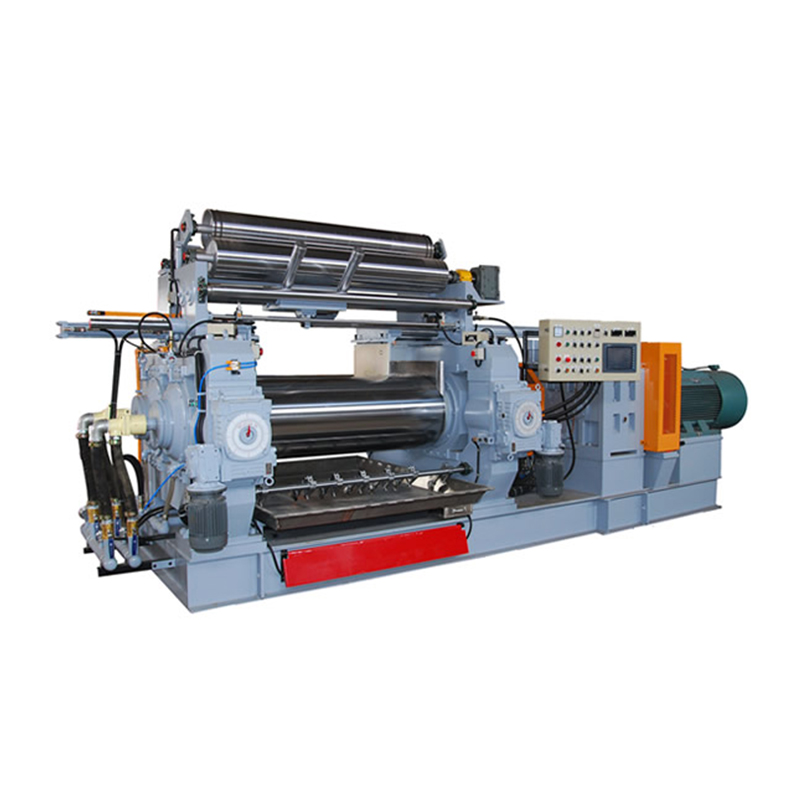
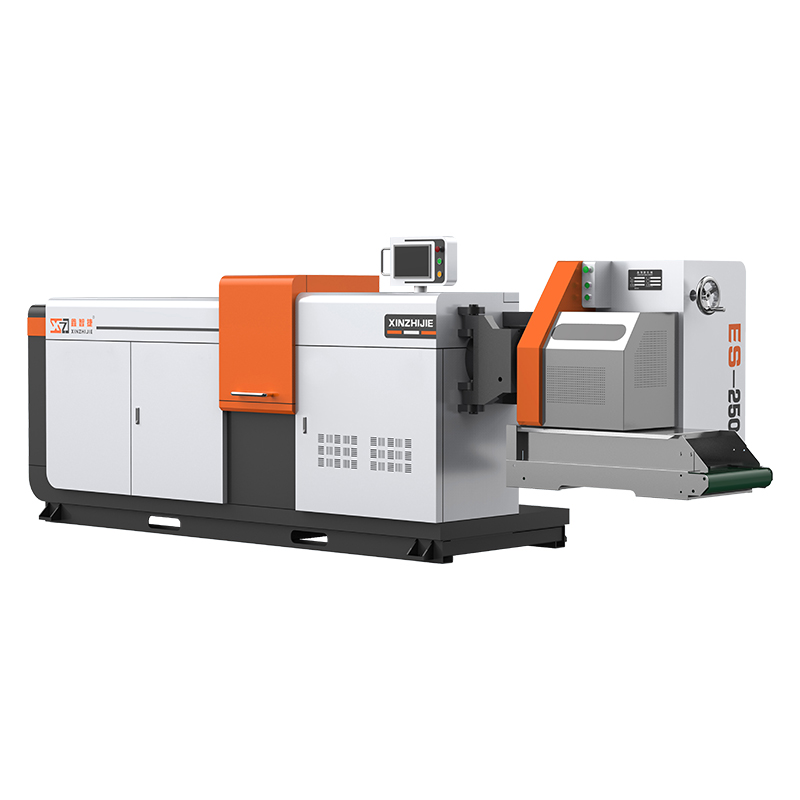
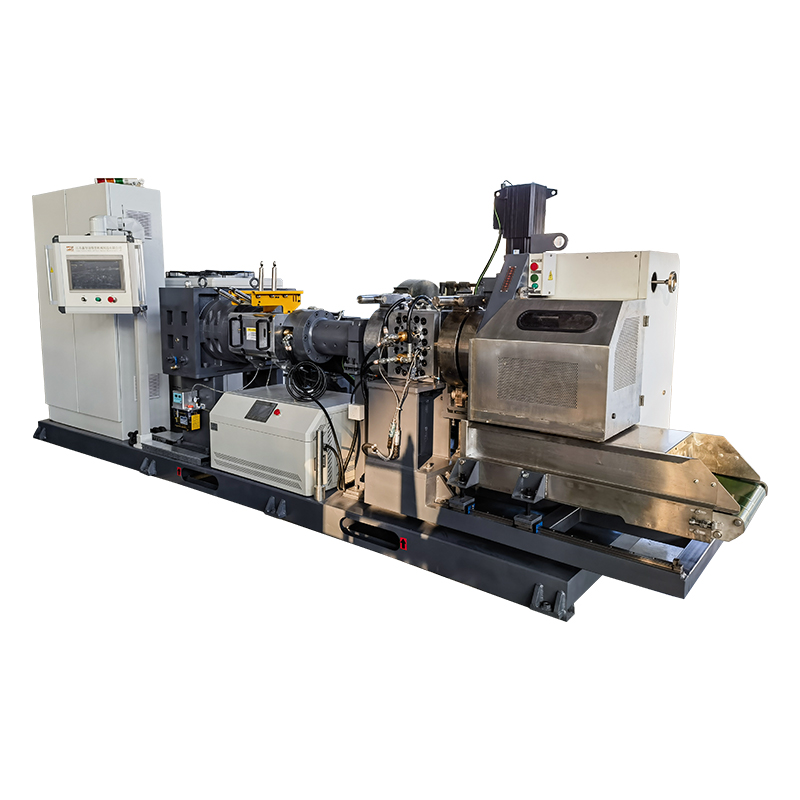
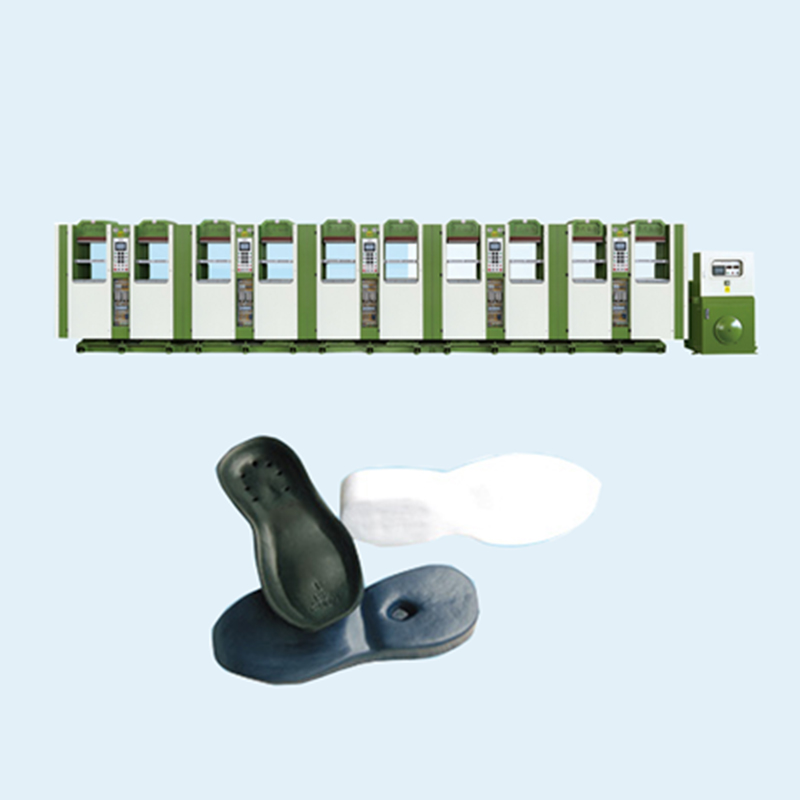
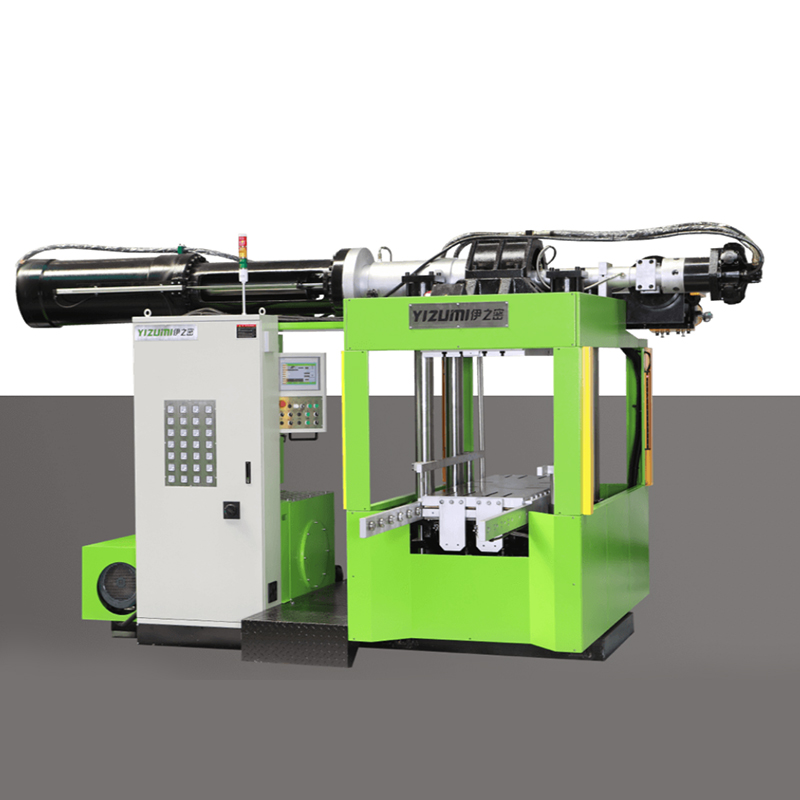
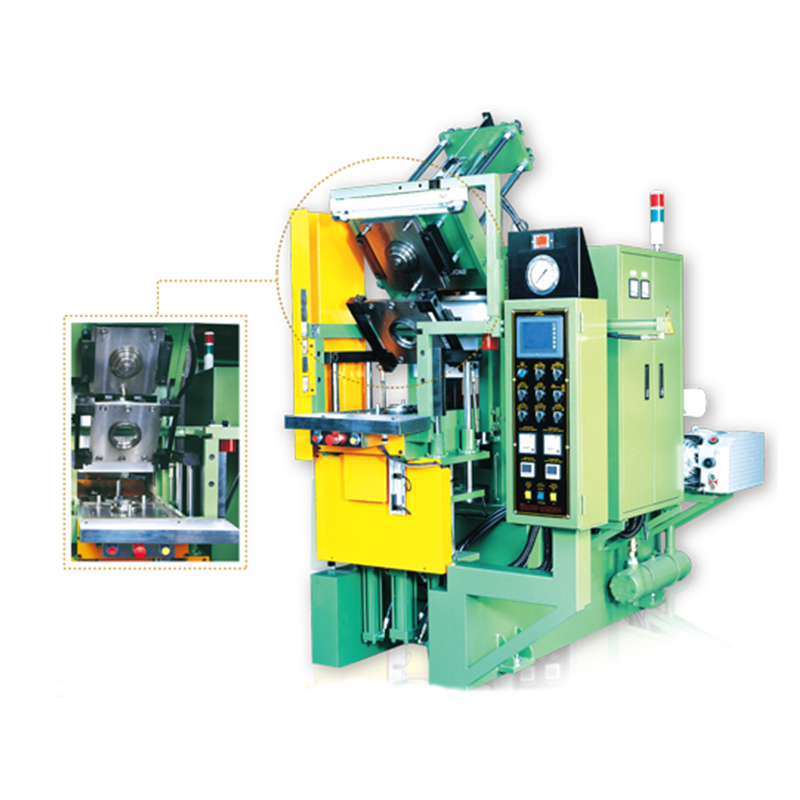
OTT RubberTech is a professional solution provider of rubber process formula, material, machinery with Mixer, Rubber Mixer, Mixing Mill, Precision Performer, Vulcanizing Press, Calender, batch-off Cooling unit, rubber Extruder, and other support plastic machines.
Features and Performance
The performance of a dust collection system is measured by its "Capture Velocity" (how effectively it pulls dust away from the source) and its "Filtration Efficiency" (how clean the exhausted air is).
| System Feature | Performance Capability |
|---|---|
| Blower Capacity | Calculated in CFM (Cubic Feet per Minute) per hood |
| Filter Media | Antistatic polyester or PTFE-coated cartridges |
| Cleaning System | Pulse-jet compressed air for automatic filter cleaning |
| Explosion Relief | Venting panels and spark detection systems |
| Ducting Design | Smooth-bore stainless steel with high-velocity transport |
| Control System | Differential pressure monitoring for filter health |
Key features include the use of explosion-proof (ATEX) motors and antistatic filter materials, which are essential because many rubber chemicals and fine carbon dust are highly flammable when airborne. Modern systems feature "Variable Frequency Drives" (VFD) on the main blower, allowing the suction to be adjusted based on which stations are currently active, saving significant energy during the work shift.
Usage Tips and Techniques
To ensure maximum dust capture, the suction hoods should be positioned as close to the dust source as possible without interfering with the operator's movement or the machine's operation. A key technique for maintaining system efficiency is to monitor the "Differential Pressure" across the filters; a high pressure indicates that the filters are clogged and need a cleaning cycle.
| Operational Focus | Optimization Technique |
|---|---|
| Hood Placement | Keep the "reach" of the hood within 30cm of the source |
| Filter Cleaning | Set the pulse-jet timer based on the dust loading of the batch |
| Waste Disposal | Empty the collection bins before they are 75 percent full |
| Air Balancing | Adjust dampers to ensure equal suction at all stations |
| Spark Prevention | Ensure all ducting is properly grounded to prevent static |
Operators should be trained to avoid "blocking" the suction hoods with bags or containers. In mixing rooms that handle both black and white (silica) compounds, using two separate dust collection systems is a best practice to prevent color contamination. If only one system is used, a rigorous "flush-out" procedure must be followed when switching between compounds. Additionally, using "spark detection" and automatic fire dampers in the ducting can prevent a small fire in a mixer from spreading to the entire factory through the ventilation system.
Maintenance Skills
Maintenance for dust collection systems centers on filter integrity and the health of the pulse-jet cleaning system. If the compressed air pulses are weak, the filters will quickly become "blinded," and suction will drop. Regular inspection of the filters for holes or tears is critical; even a small leak will allow carbon black to bypass the system and contaminate the exhaust air, often leading to environmental fines.
| Maintenance Area | Procedure | Frequency |
|---|---|---|
| Filter Bags/Carts | Inspect for leaks and check differential pressure | Weekly |
| Pulse-Jet Valves | Listen for the "snap" of the valves firing correctly | Daily |
| Ducting | Check for dust buildup in horizontal sections | Monthly |
| Blower Motor | Check belt tension and lubricate bearings | Quarterly |
| Collection Bins | Empty and inspect seals for air leaks | Daily |
Maintenance staff should develop the skill of "auditing" the ductwork for leaks; an air leak in the ducting reduces the suction at the hood. The rotary valves at the bottom of the collection hopper must also be checked to ensure they are creating an airtight seal; if they leak, the vacuum in the system will pull air up through the waste bin, preventing the dust from falling into it. Finally, the main exhaust should be monitored for any visible dust "puffing," which is a clear sign of a broken filter.
Application Scenarios
Dust collection is used in every area of the rubber plant where powders are handled. This includes the weighing room, the internal mixer charging floor, the open mill area, and the final finishing/grinding stations. They are the backbone of environmental health and safety (EHS) programs in the rubber industry.
| Factory Area | Specific Dust Challenge |
|---|---|
| Weighing Room | Capturing fine accelerators and sulfur dust |
| Mixer Throat | Massive dust surge during carbon black charging |
| Two-Roll Mill | Continuous dust from the "bank" during mixing |
| Grinding Shop | Fine rubber dust from buffing or finishing parts |
| Bale Prepping | Capturing dusting powders (talc/cornstarch) from bales |
In tire manufacturing, where thousands of tons of carbon black are used annually, these systems are massive and often include "scrubbers" to further clean the exhaust air. For medical rubber plants, the dust collection system is part of a larger HVAC and air-quality management system designed to maintain clean-room standards. By keeping the factory clean, these systems also protect sensitive electronic controls and laboratory equipment from the conductive and abrasive nature of rubber chemicals.

