
 English
 русский
 Español
 عربى
عربى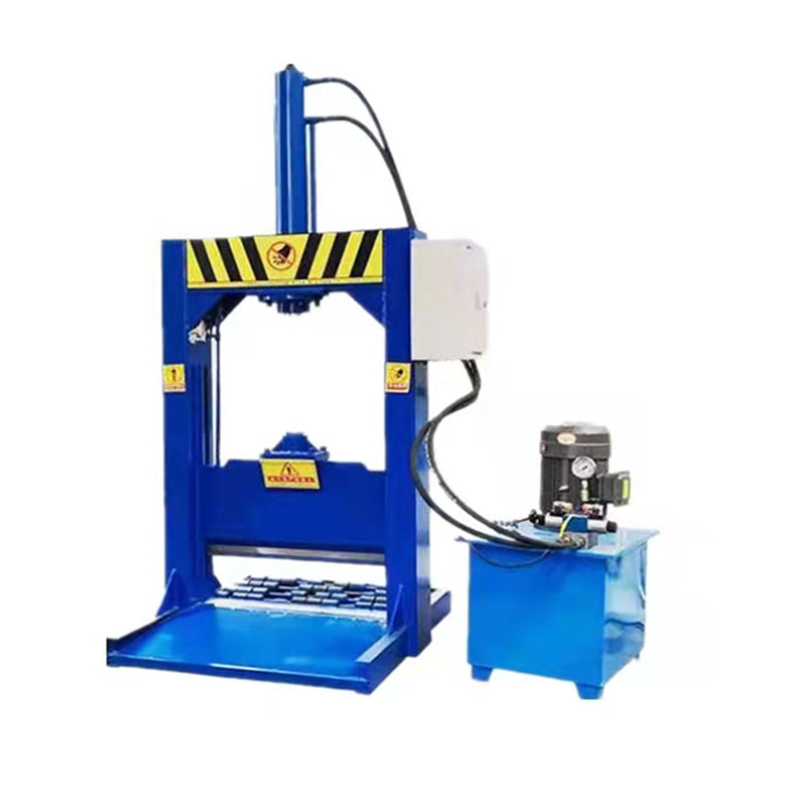
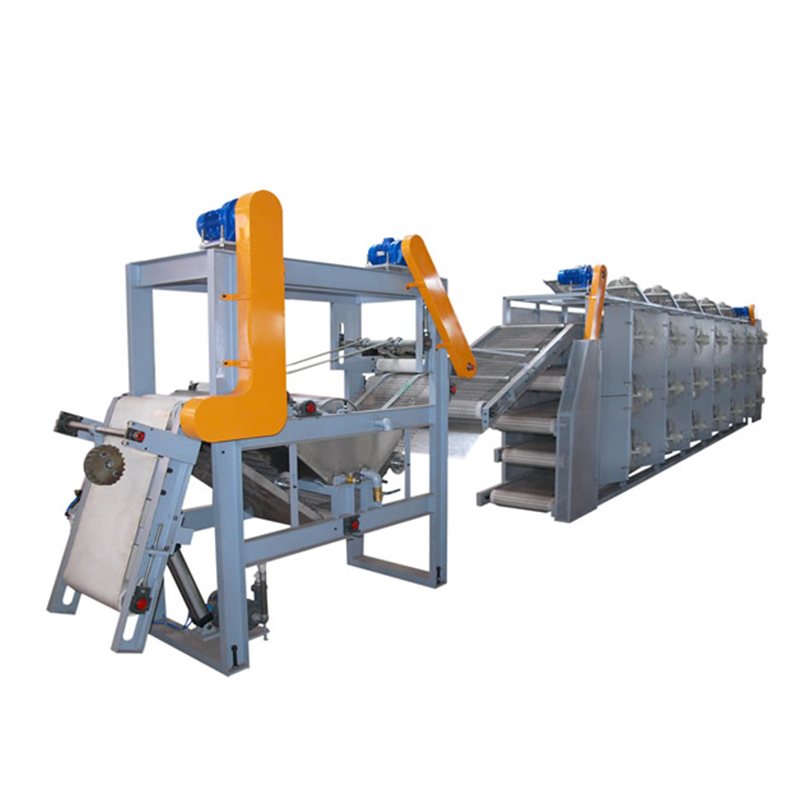
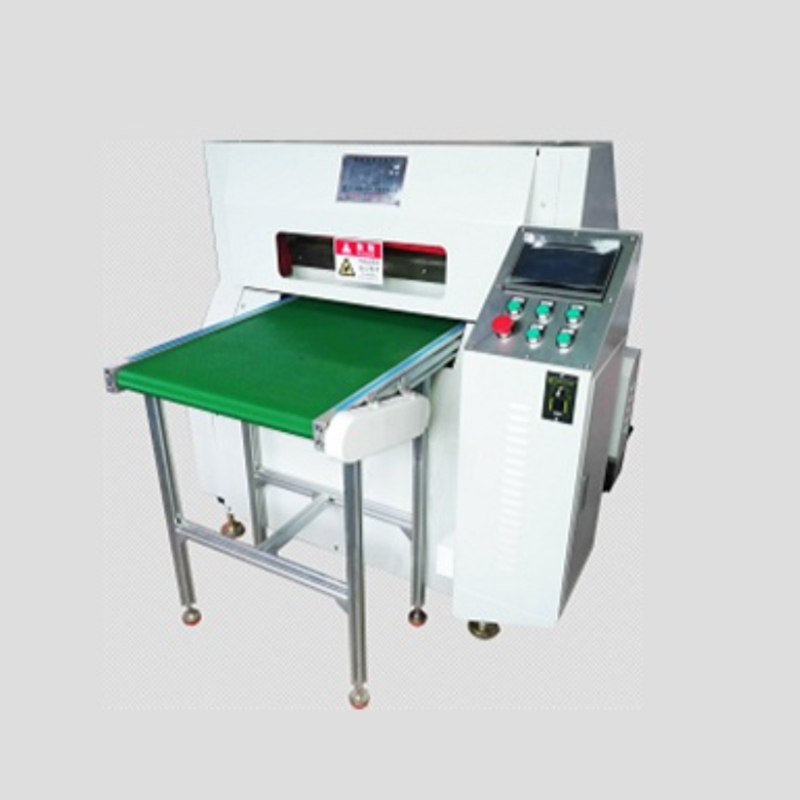
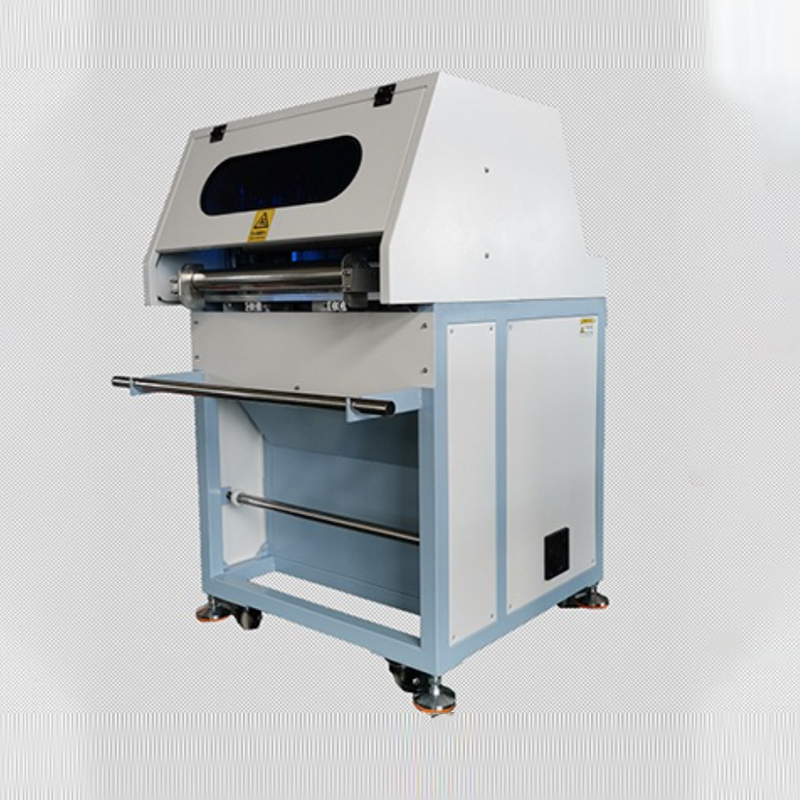
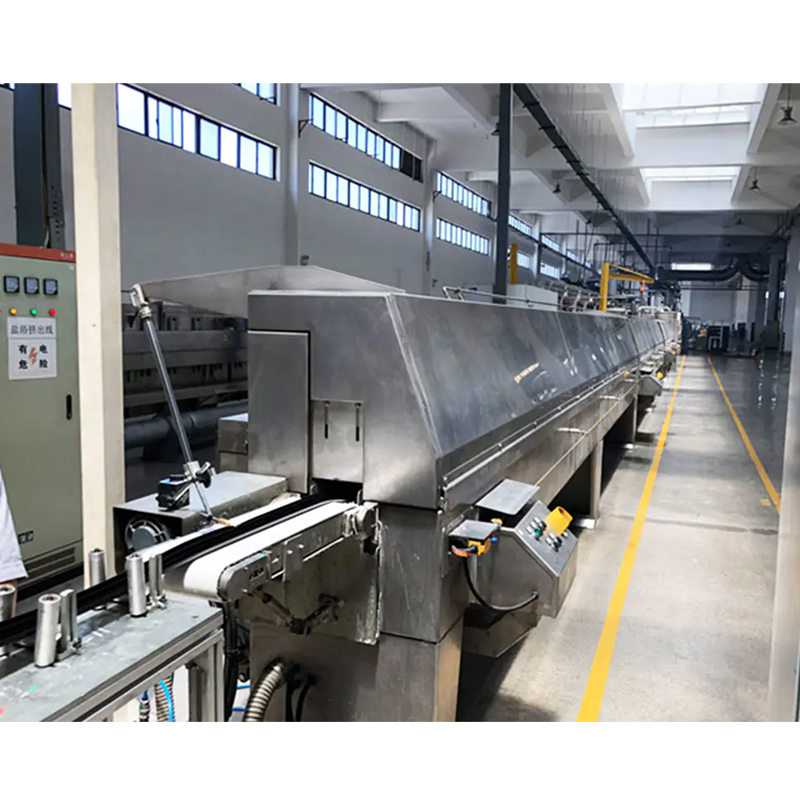
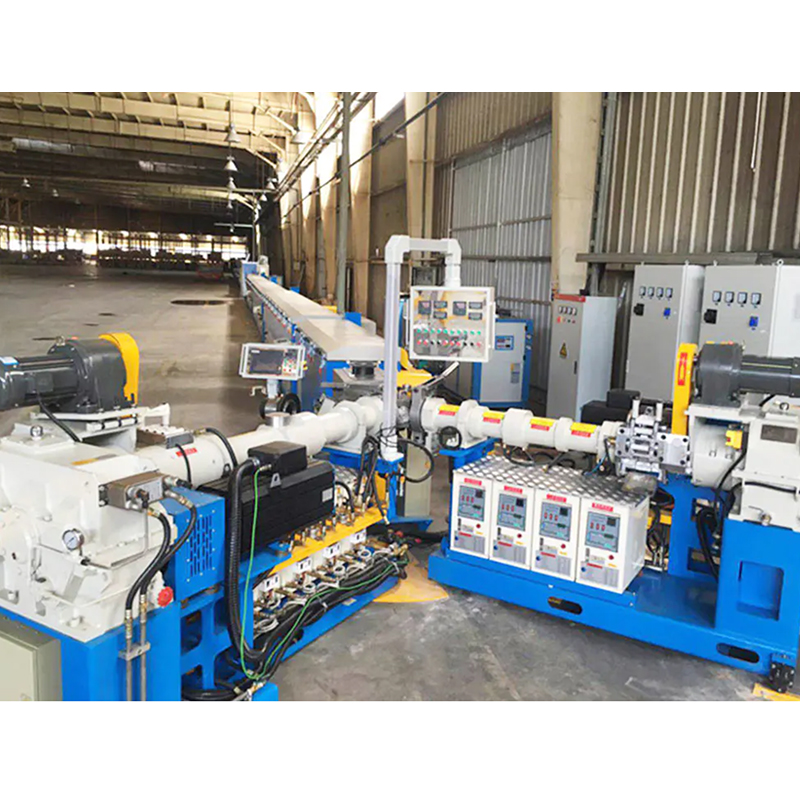
OTT RubberTech is a professional solution provider of rubber process formula, material, machinery with Mixer, Rubber Mixer, Mixing Mill, Precision Performer, Vulcanizing Press, Calender, batch-off Cooling unit, rubber Extruder, and other support plastic machines.
Features and Performance
The performance of a weighing system is defined by its accuracy relative to the batch size and its ability to handle difficult powders that tend to "bridge" or clump. High-end systems utilize multi-stage dosing (fast and slow feed) to reach exact target weights.
| Feature | Technical Specification |
|---|---|
| Scale Resolution | From 0.01g (small chems) to 100g (fillers) |
| Feeding Mechanism | Screw feeders, vibratory trays, or gravity valves |
| Container Type | Automatic bag-placing or stainless bins |
| Software | Recipe management with ERP integration |
| Dust Control | Integrated vacuum hoods at each station |
| Safety Rating | Explosion-proof (ATEX) options for fine powders |
Key features include the use of "loss-in-weight" technology for continuous feeding and high-precision load cells that are compensated for temperature and vibration. Modern systems are fully enclosed to prevent cross-contamination between different chemicals and to protect workers from inhaling hazardous rubber accelerators. The software typically includes a "barcode validation" step, ensuring the operator has scanned the correct material before the scale will allow dosing to begin.
Usage Tips and Techniques
To ensure the highest accuracy, the scales should be zeroed between every ingredient. For very small quantities (micros), it is often better to use a "pre-weighed masterbatch" or a separate high-precision lab scale. A key technique for improving flow in automated feeders is to use vibratory motors on the hopper walls to prevent powders from sticking.
| Operational Focus | Optimization Technique |
|---|---|
| Accuracy Check | Use "check-weights" at the start of every shift |
| Material Flow | Keep powders dry; use desiccant in hoppers if needed |
| Zeroing | Auto-zero after every container is swapped |
| Cross-Contamin. | Clean the dispensing nozzles between different families of chems |
| Traceability | Print a unique barcode for every weighed batch "kit" |
When weighing oils or liquid plasticizers, using a heated tank and a recirculating pump ensures the viscosity remains constant, which is essential for accurate volumetric or mass-flow dosing. For manual weighing stations, using a "shadow-board" for tools and a color-coded bin system helps prevent operators from grabbing the wrong chemical during a busy shift. Integrated barcode printers allow each weighed "kit" to be tracked throughout the factory, providing a digital paper trail for every batch mixed.
Maintenance Skills
Maintenance for weighing systems centers on the calibration of the load cells and the cleanliness of the feeding mechanisms. Rubber chemicals can be sticky or abrasive, leading to wear on screw feeders and "caking" in the hoppers. Regular cleaning of the hopper interiors and the dispensing valves is mandatory to prevent material hang-up, which would lead to incorrect weights.
| Maintenance Area | Procedure | Frequency |
|---|---|---|
| Load Cells | Verify with certified weights and zero-calibrate | Weekly |
| Screw Feeders | Inspect for wear and clean off buildup | Monthly |
| Dust Filters | Clean or replace to maintain vacuum suction | Weekly |
| Software Database | Backup recipes and batch history logs | Monthly |
| Electrical Cables | Check for fatigue on moving scale platforms | Quarterly |
Maintenance staff should also check the "anti-vibration" mounts of the scales. If the factory floor vibrates due to nearby mixers or presses, the scales may give unstable readings. Ensuring the scales are isolated and that all flexible connections (hoses and wires) are not pulling on the weighing platform is critical. For automated systems, the pneumatic valves and cylinders that control the hopper gates should be inspected for speed and air leaks to ensure a crisp "cutoff" at the target weight.
Application Scenarios
Ingredient weighing systems are the "pharmacy" of the rubber factory. They are used in tire plants, technical rubber shops, and pharmaceutical stopper factories. Any facility that mixes its own rubber compounds needs a reliable way to manage the complex chemistry involved in the process.
| Industry Sector | Typical Usage |
|---|---|
| Tire Plants | High-volume weighing of carbon black and sulfur |
| Medical Rubber | Ultra-precise weighing of clean-room chemicals |
| Technical Rubber | Managing a large library of recipes for custom parts |
| Retreading | Consistent dosing for tread-renewal compounds |
| Aerospace Seals | Zero-error weighing for high-performance elastomers |
In the pharmaceutical industry, these systems are often installed in clean rooms and must be made entirely of stainless steel for easy sterilization. For tire manufacturers, the system must handle massive volumes of carbon black and oil, often using large silos and high-speed conveyors. The ability to provide a "batch report" for every mix allows companies to prove to their customers that the material was made exactly to the specified formulation.

