
 English
 русский
 Español
 عربى
عربى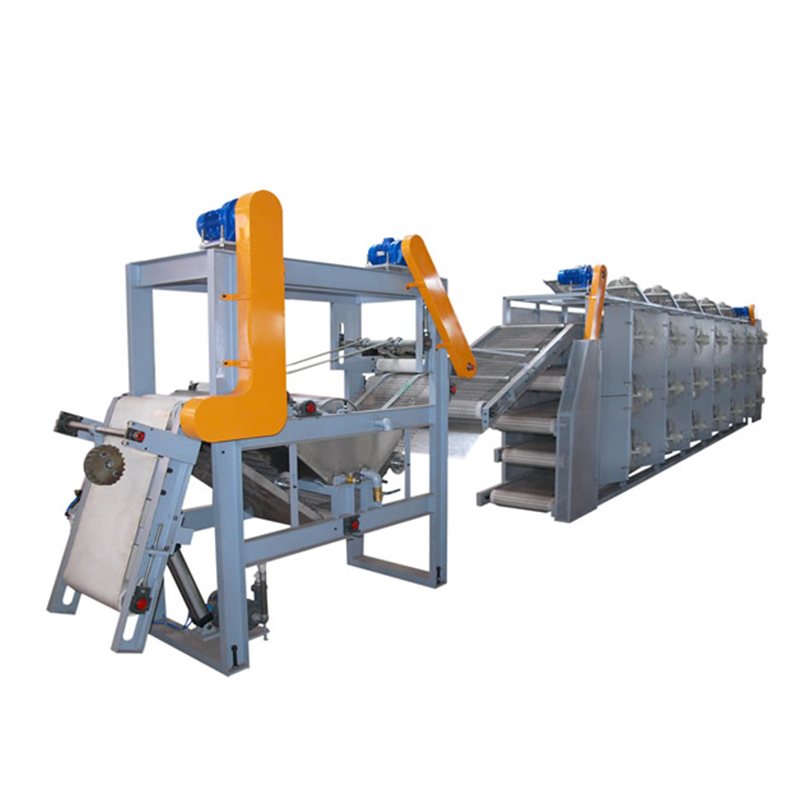
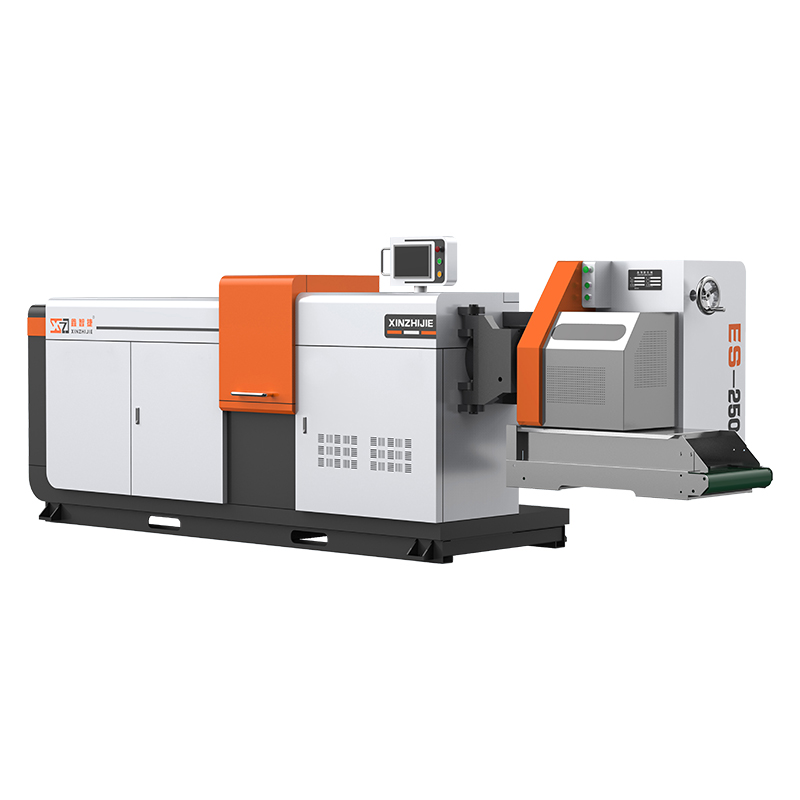
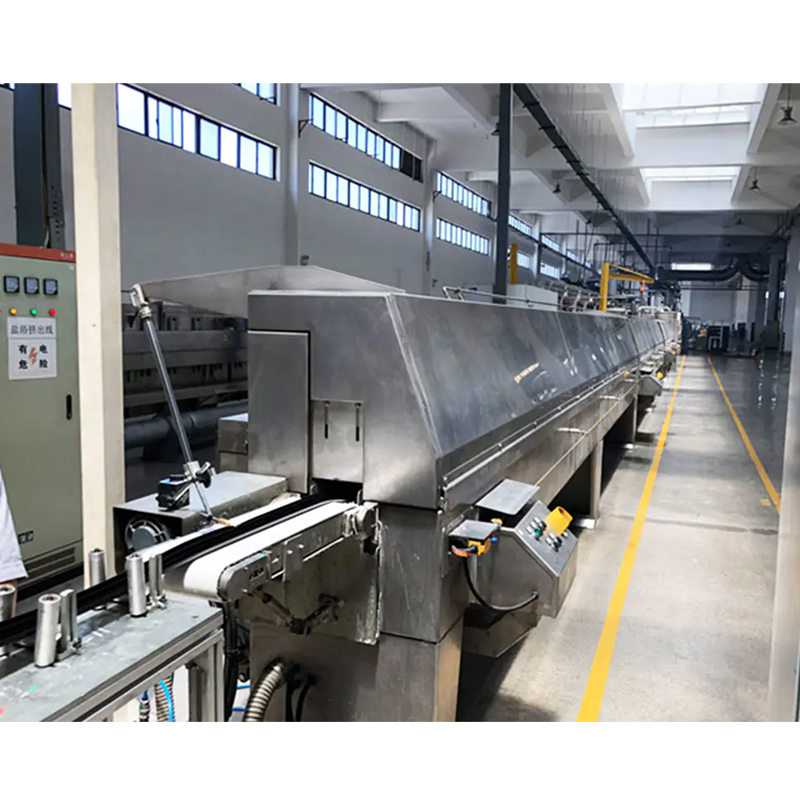
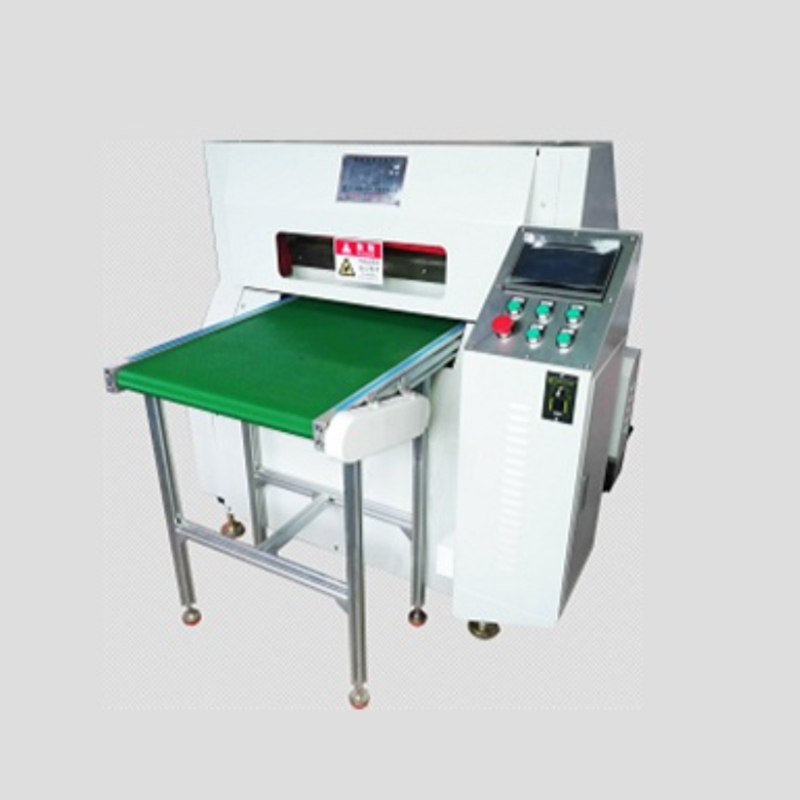
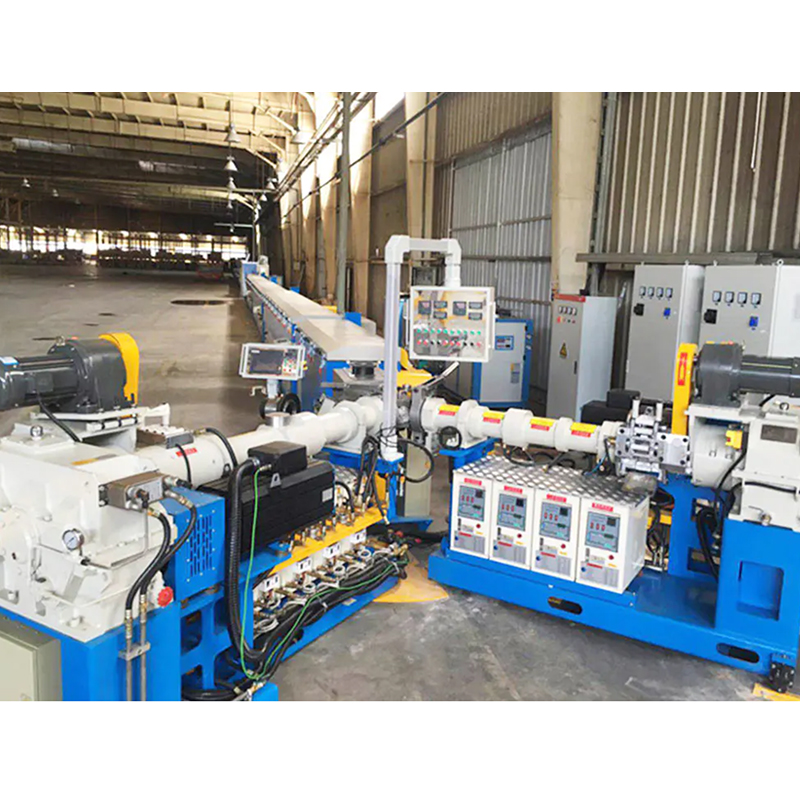
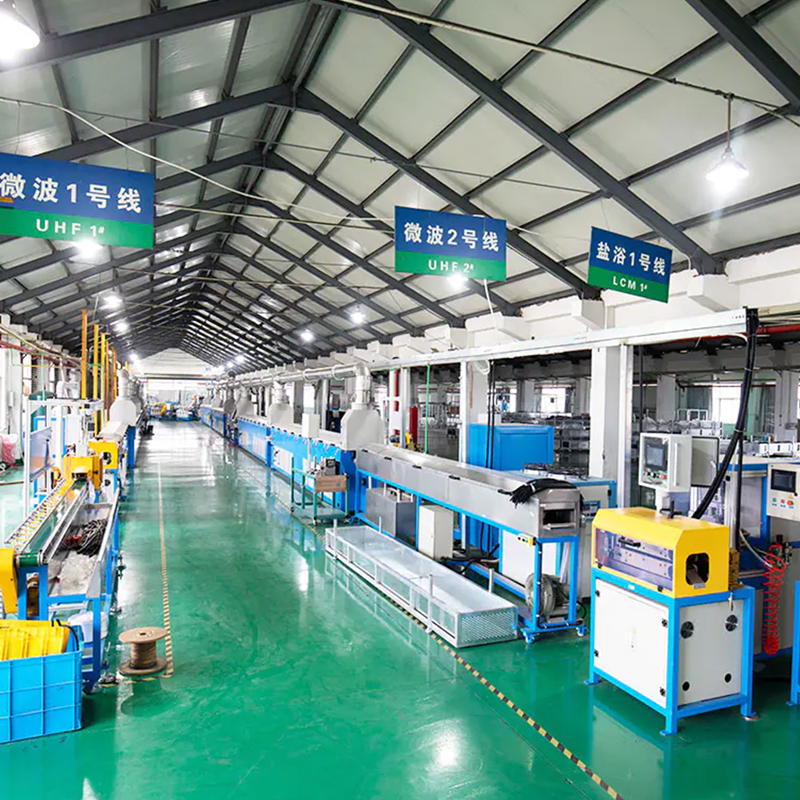
OTT RubberTech is a professional solution provider of rubber process formula, material, machinery with Mixer, Rubber Mixer, Mixing Mill, Precision Performer, Vulcanizing Press, Calender, batch-off Cooling unit, rubber Extruder, and other support plastic machines.
Features and Performance
The performance of a precision preformer is measured by its weight accuracy and the cleanliness of the cut. Advanced models utilize a vacuum system within the extrusion chamber to remove air bubbles, ensuring that the preforms are dense and free of internal voids.
| Technical Feature | Performance Standard |
|---|---|
| Weight Accuracy | Within plus or minus 0.5 percent |
| Extrusion System | Ram-type or Cold Feed Screw |
| Vacuum Capability | Integrated high-vacuum degasification |
| Cutting Mechanism | Variable speed rotary blade with lubrication |
| Control Interface | Color PLC touch screen |
| Safety Rating | Electronic interlocking safety guards |
Key features include the use of hardened stainless steel for the extrusion head and die plates to prevent corrosion and wear. The cutting speed is synchronized with the extrusion rate to ensure that the length of each preform remains consistent. Performance is further enhanced by the ability to store hundreds of different product recipes in the PLC, allowing for rapid changeovers between different rubber compounds and shapes without extensive manual recalibration.
Usage Tips and Techniques
To achieve the best weight consistency, the rubber stock should be prepared in uniform strips and warmed slightly before being loaded into the preformer. This ensures a consistent flow rate through the die. Operators should also pay close attention to the cutting blade's sharpness and the lubrication spray system, as a dull blade or lack of lubricant will result in deformed preforms with jagged edges.
| Operating Step | Optimization Technique |
|---|---|
| Material Prep | Use warm stock for improved flow and density |
| Blade Cooling | Adjust lubricant spray to prevent rubber sticking |
| Weight Check | Perform sample weighing every 100 pieces |
| Die Alignment | Ensure die is centered to prevent lopsided blanks |
| Speed Ratio | Sync cutter RPM with extrusion pressure |
Advanced techniques involve the use of the vacuum system for high-viscosity rubbers. By maintaining a vacuum of at least -0.09 MPa, the risk of trapped air in the final molded product is virtually eliminated. When processing sticky compounds like certain fluororubbers, adjusting the blade angle and using a specialized silicone-based lubricant can significantly improve the surface quality of the preform and prevent the material from adhering to the cutting head.
Maintenance Skills
The maintenance of a precision preformer revolves around the extrusion ram seals and the cutting assembly. Since these machines operate at high pressures, any wear in the hydraulic seals can lead to pressure drops and weight fluctuations. The cutting blade is a consumable item that should be sharpened or replaced regularly. Furthermore, the extrusion head should be disassembled and cleaned thoroughly at the end of every production run to prevent rubber from curing inside the die.
| Maintenance Area | Procedure | Interval |
|---|---|---|
| Cutting Blade | Inspect for nicks and sharpen edges | Daily |
| Extrusion Head | Remove residual rubber and polish die | Per Shift |
| Vacuum Pump | Check oil levels and filter condition | Weekly |
| Hydraulic Unit | Monitor oil temperature and pressure levels | Daily |
| Safety Sensors | Test stop-switch functionality | Weekly |
Regular calibration of the digital scale and its communication with the PLC is essential for maintaining the automated weight adjustment feature. The hydraulic oil should be sampled and analyzed for metal particulates every six months to ensure that the pumps and valves are not suffering from internal wear. Keeping the cooling system free of scale ensures that the material does not overheat during the extrusion process, which is critical for avoiding premature vulcanization or scorching of the compound.
Application Scenarios
Precision preforming machines are vital for any manufacturing facility that uses compression or transfer molding. They are extensively used in the production of O-rings, oil seals, and automotive bushings. By providing uniform blanks, these machines allow manufacturers to use smaller mold overflows, leading to significant material savings over time. They are also used for producing blanks for sporting goods like tennis balls and golf ball cores.
| Industry | Typical Application |
|---|---|
| Sealing Industry | O-rings, gaskets, and hydraulic seals |
| Automotive | Engine mounts, bushings, and brake pads |
| Sporting Goods | Tennis ball cores and rubber pucks |
| Pharmaceutical | Vial stoppers and medical diaphragms |
| Aerospace | Specialized vibration dampening components |
In the pharmaceutical sector, these machines are used to produce high-purity rubber stoppers where weight accuracy is a regulatory requirement. In the automotive industry, the ability to produce large volumes of accurate blanks for engine mounts ensures that each part has the exact damping characteristics required by the vehicle manufacturer. The machine is also capable of producing different shapes, such as squares, cylinders, and strips, making it a flexible asset for custom rubber molders.

