 English
 русский
 Español
 عربى
عربىThe liquid silicone rubber injection molding machine is fully computer-controlled, with ac...
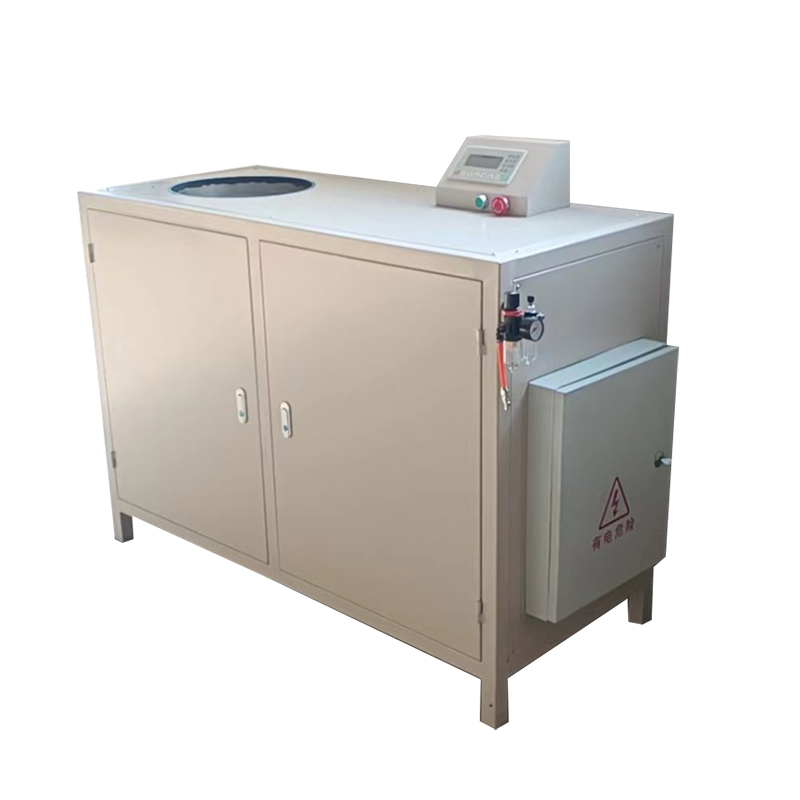
O-ring trimming machines mainly include mechanical punching trimming, frozen trimming, and production using flash-free molds.
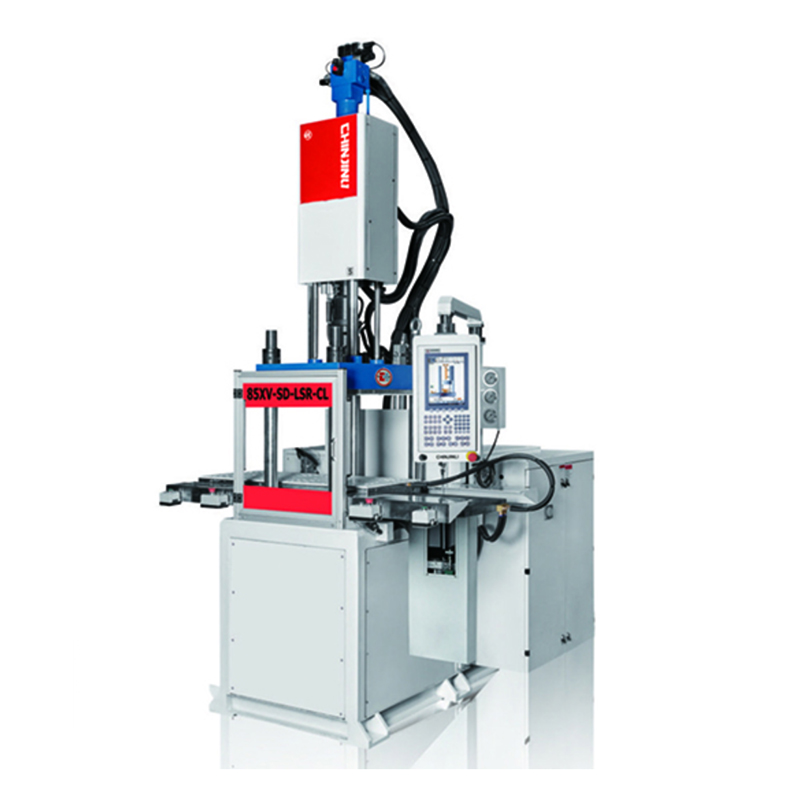
The liquid silicone rubber injection molding machine is fully computer-controlled, with ac...
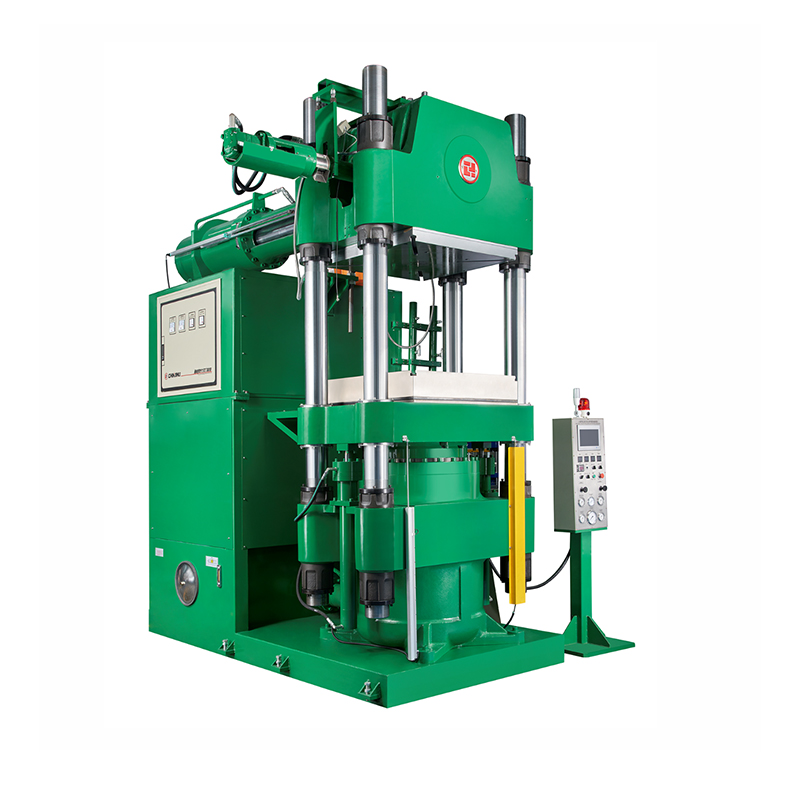
The working principle of the tire bladder injection thermoforming machine mainly involves ...
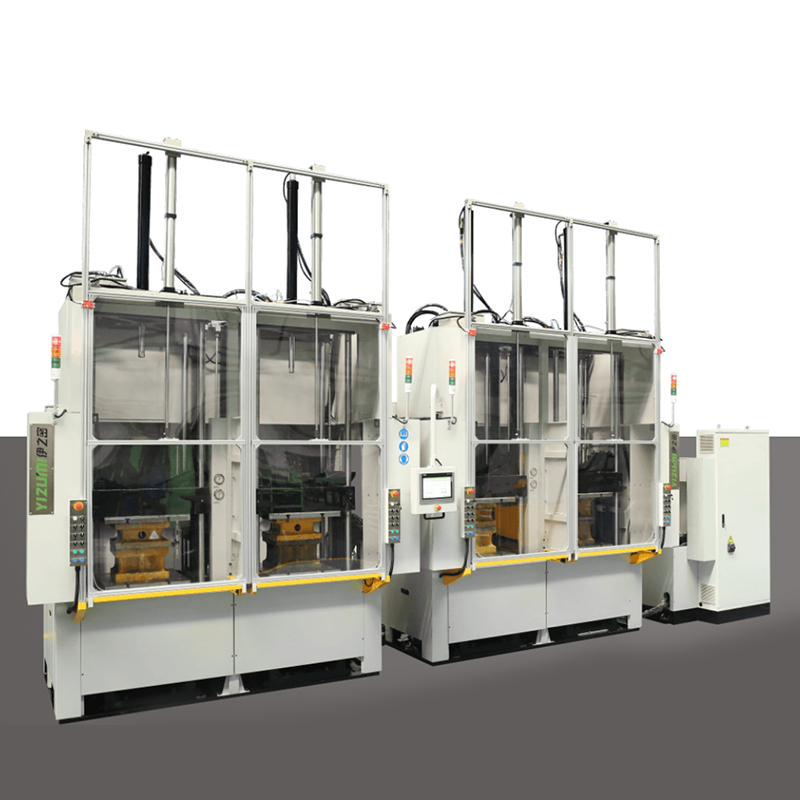
The special vulcanizing molding machine for air spring molding is mainly used for complex ...
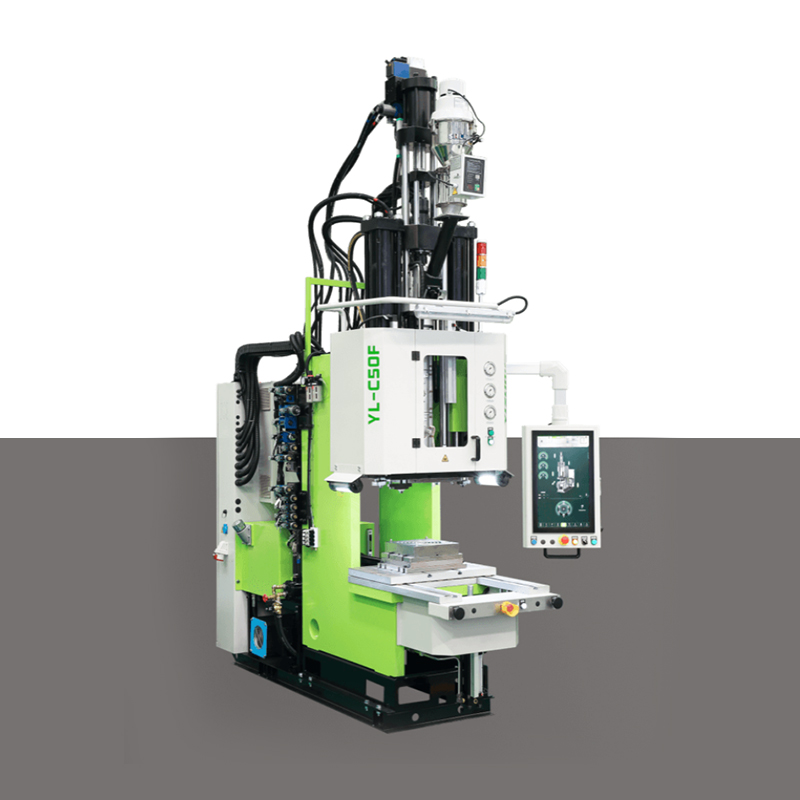
The C-type injection machine is particularly suitable for the production of high-precision...
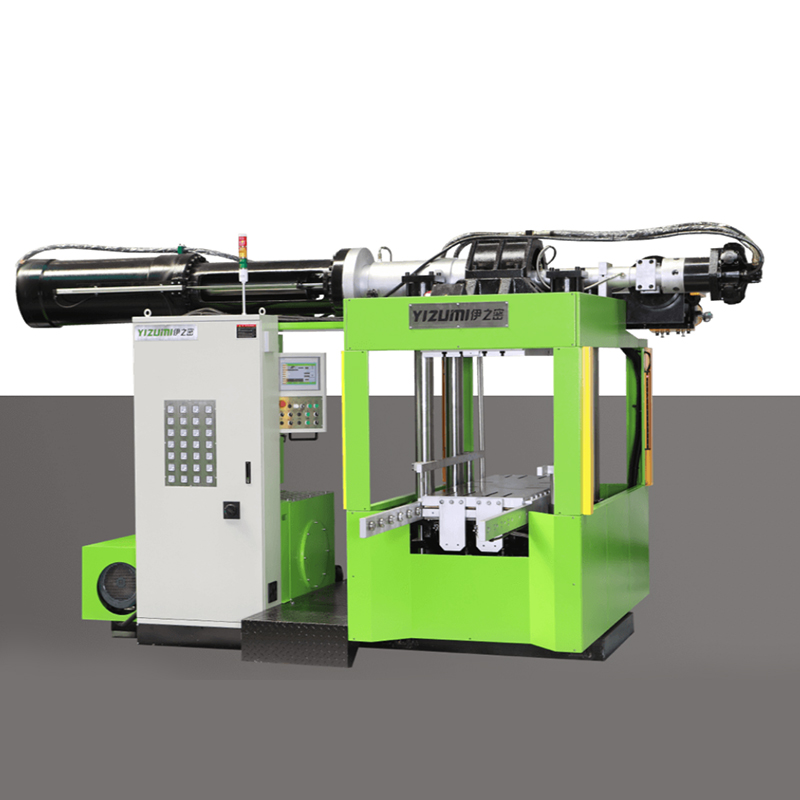
Special injection machine for insulating products in the power industry Special plasticizi...
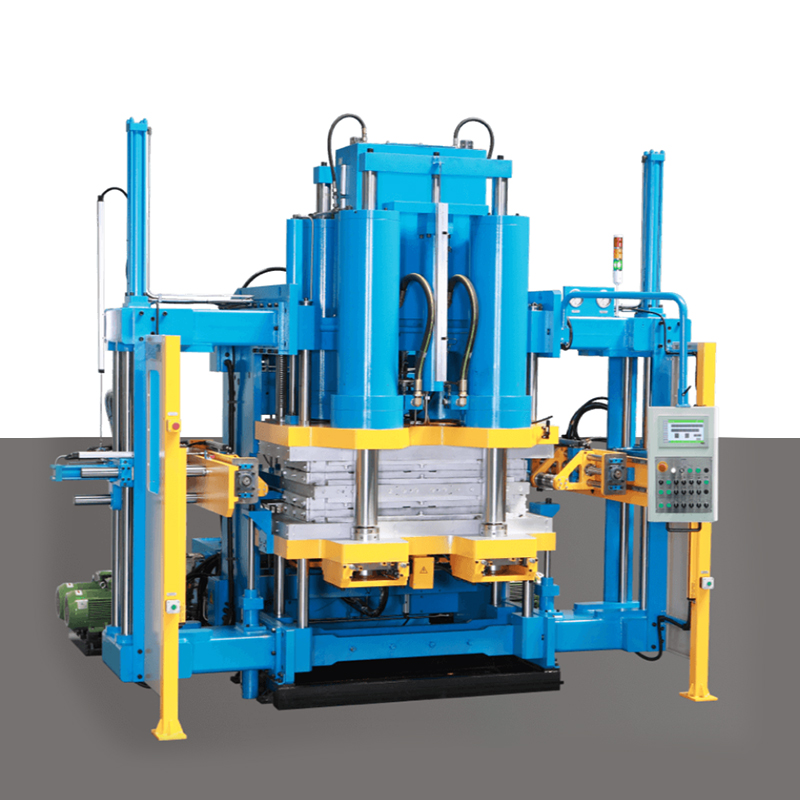
The jointless rubber track molding special injection machine can meet the requirements of ...
When a rubber profile needs two different materials in one cross-section, bonding them after extrusion creates a weak point and an extra labor step. The co extrusion pro...
READ MOREManufacturing rubber seals, gaskets, O-rings, or any molded rubber part means you come across compression molding almost daily. It is the simplest and most direct way to...
READ MOREUnderstanding the Rubber Moulding Process When a production manager plans a new rubber parts line, the first decision is not which press to buy but which moulding proces...
READ MOREWhat Is an Elastomer Press? A Direct Answer An elastomer press is a molding machine that shapes and cures uncured rubber or silicone compounds into finished parts by app...
READ MOREThe production of O-rings—one of the most commonly used sealing devices in industries such as automotive, aerospace, and manufacturing—requires specialized equipment designed to ensure precision, quality, and durability. O-rings are typically used to seal connections and prevent leakage of gases or liquids in static or dynamic applications. Given their critical role in maintaining the integrity of machines and systems, the manufacturing of O-rings involves highly specialized processes and machinery.
Precision Manufacturing:
Material Handling and Mixing:
Molding and Curing:
Automation and High Throughput:
Compression molding is one of the most common techniques used to form O-rings. The O-ring profile is placed into a heated mold, and pressure is applied to form the final shape. The rubber material then undergoes vulcanization during this process, which cross-links the polymers to make the rubber elastic and durable.

Room 602, No.91, Lane 555, Chenchuan Road,Baoshan District, Shanghai,China.200949
+86-186 1618 0786
+86-021 660 110 29

