 English
 русский
 Español
 عربى
عربىThe tennis production process includes raw material preparation, tennis core production, rubber coating, polishing, and ...
This machine meets the requirements of the internal mixer/kneading machine host for the st...
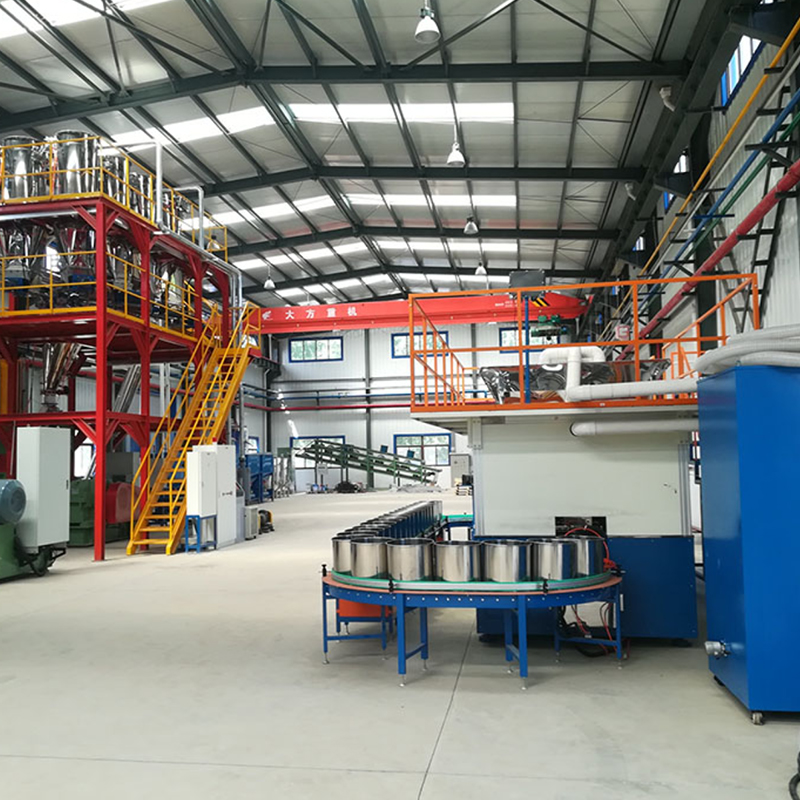
This machine meets the requirements of the internal mixer/kneading machine host for the st...
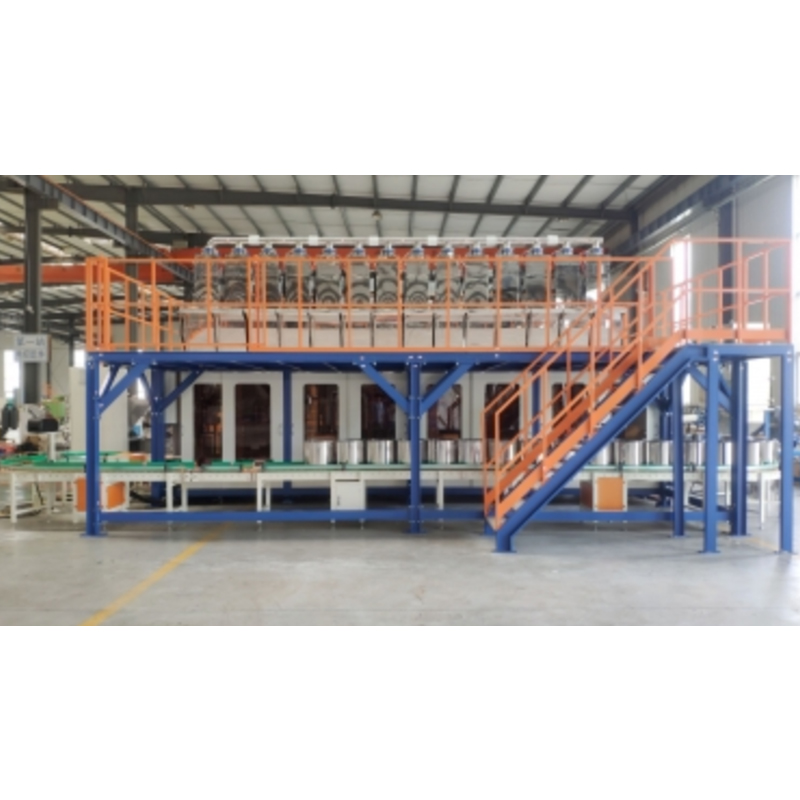
The machine for rubber, cable polymer materials, silicone, friction materials, plastics, p...
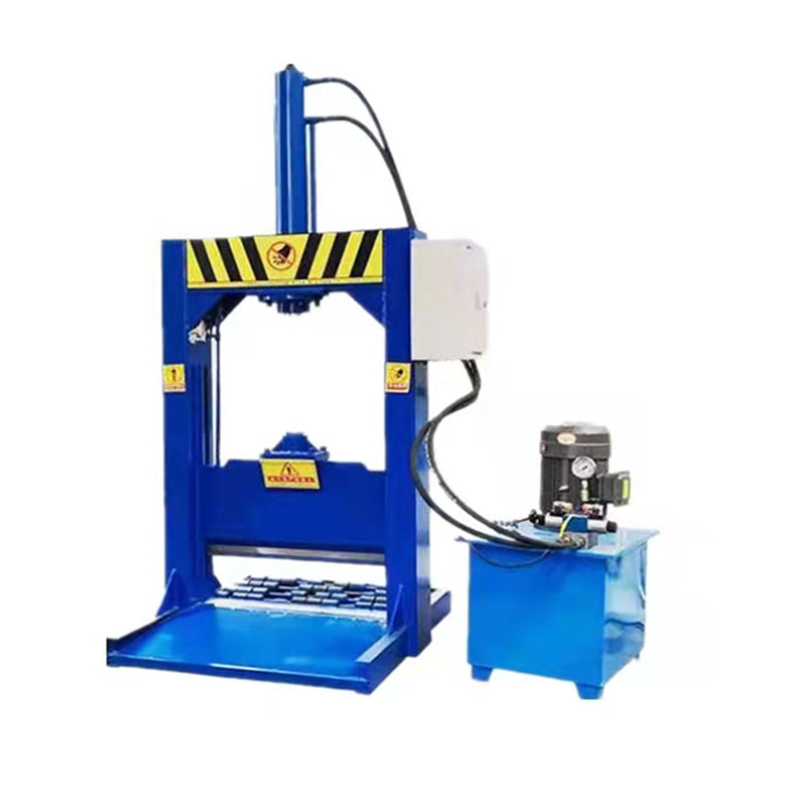
Suitable for cutting natural rubber, synthetic rubber, and various plastic materials. This...
The production of tennis balls is a very complicated matter and requires careful craftsmanship to ensure the quality and performance of the tennis balls. The tennis production process includes raw material preparation, a vulcanizing machine to make tennis core, a rubber brushing machine to apply glue, polishing, quality inspection and packaging. Each process requires delicate operations and strict control to ensure the production of high-quality tennis balls.
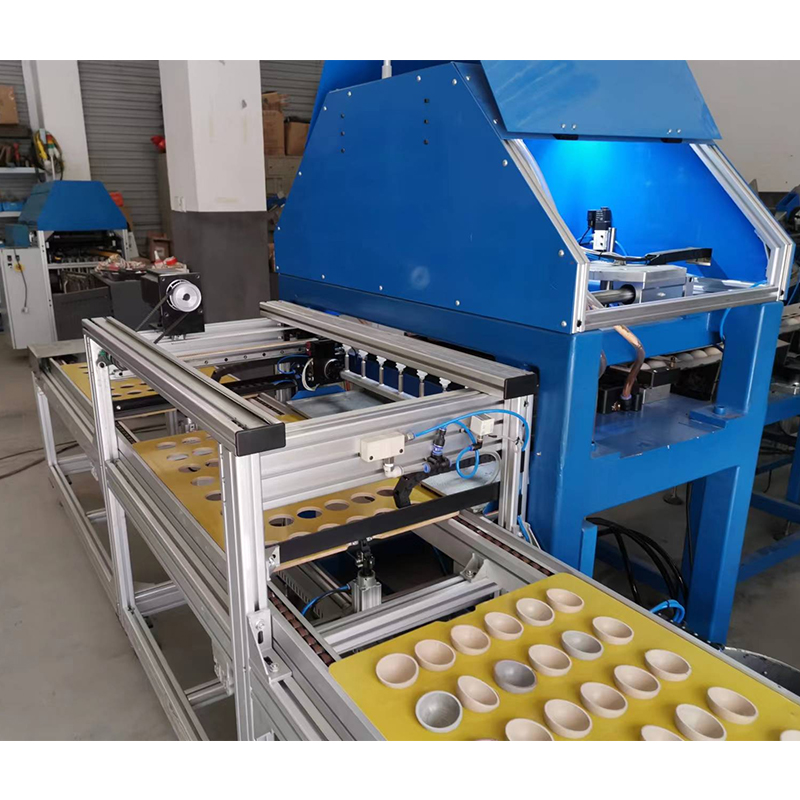
The tennis production process includes raw material preparation, tennis core production, rubber coating, polishing, and ...
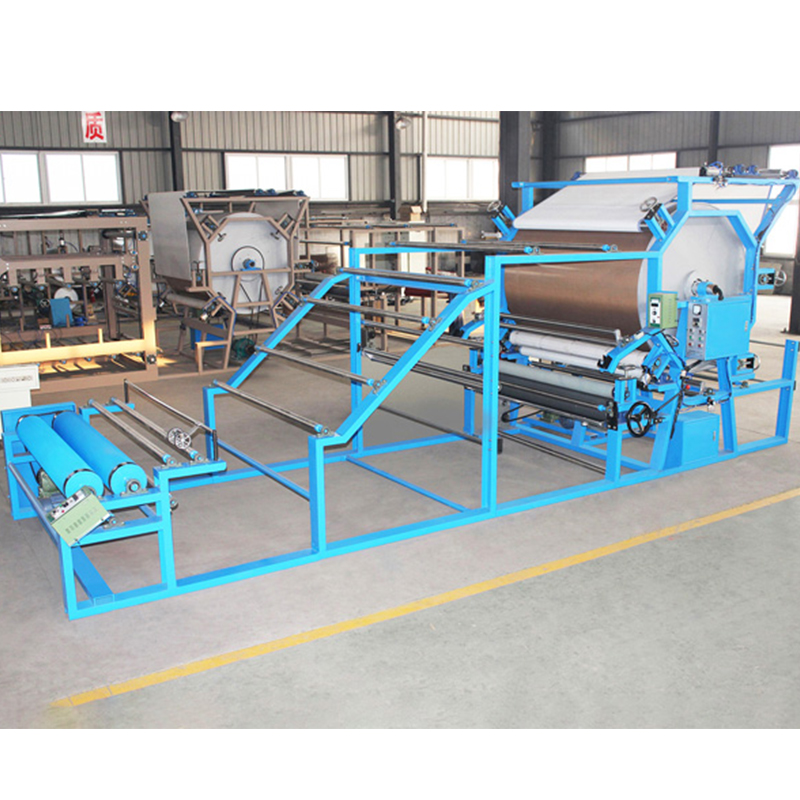
The tennis cloth gluing machine adopts a gantry frame structure made of section steel, which has high strength and does ...
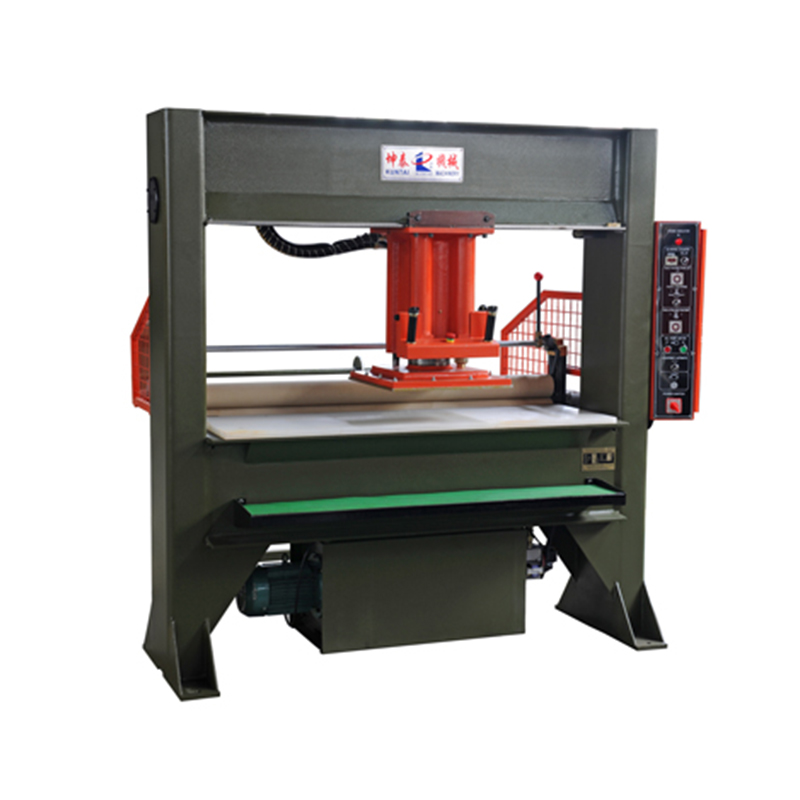
The tennis production process includes raw material preparation, tennis core production, rubber coating, polishing, and ...
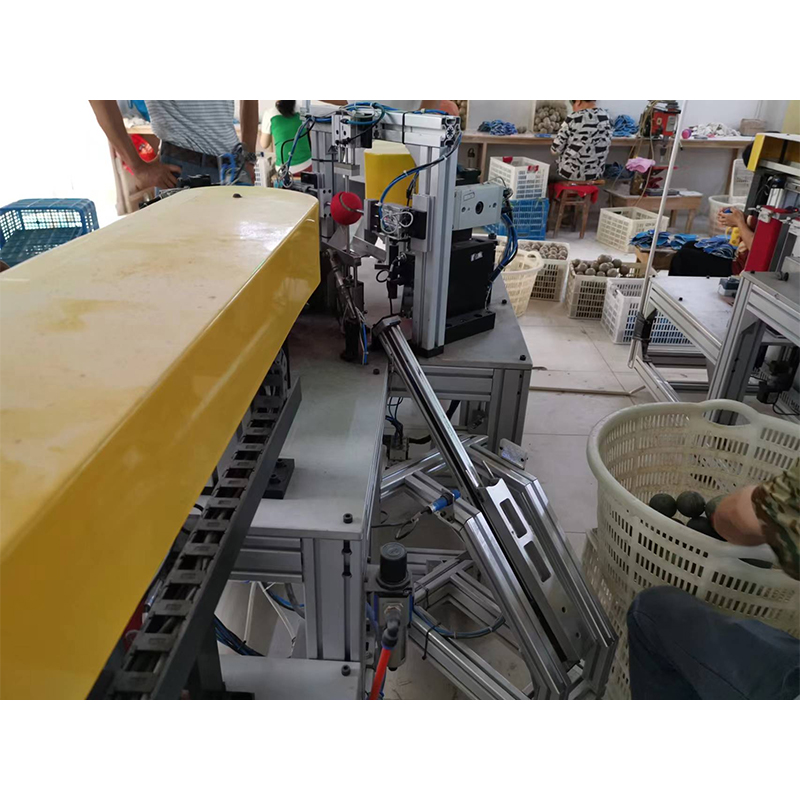
The fully automatic tennis wrapping machine wraps the cut tennis felt around the tennis core. Save labor and improve pro...
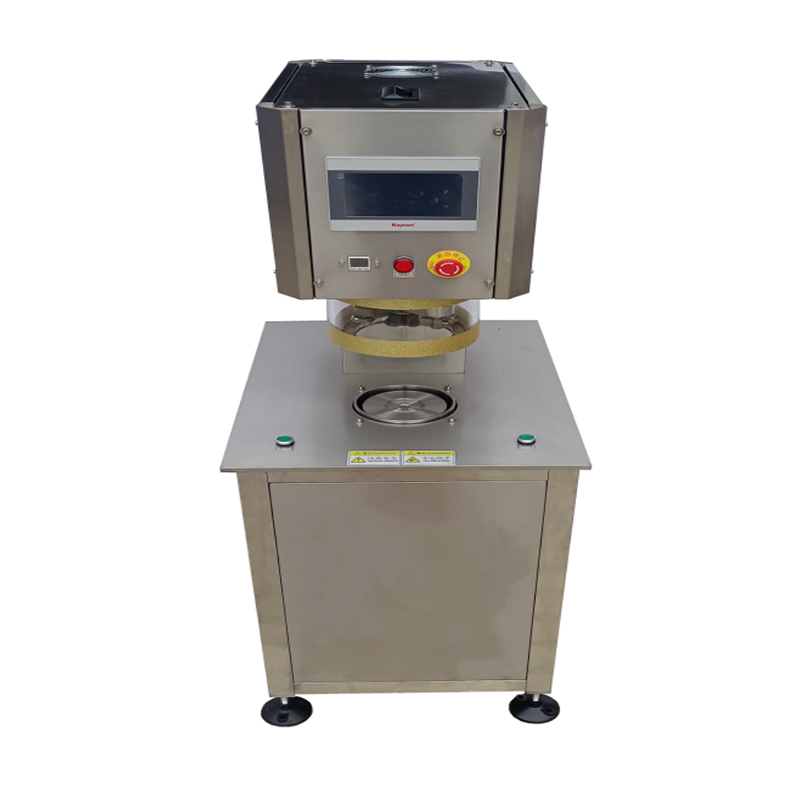
Fully automatic operation: The can sealing machine can automatically complete the filling, sealing, and packaging proces...
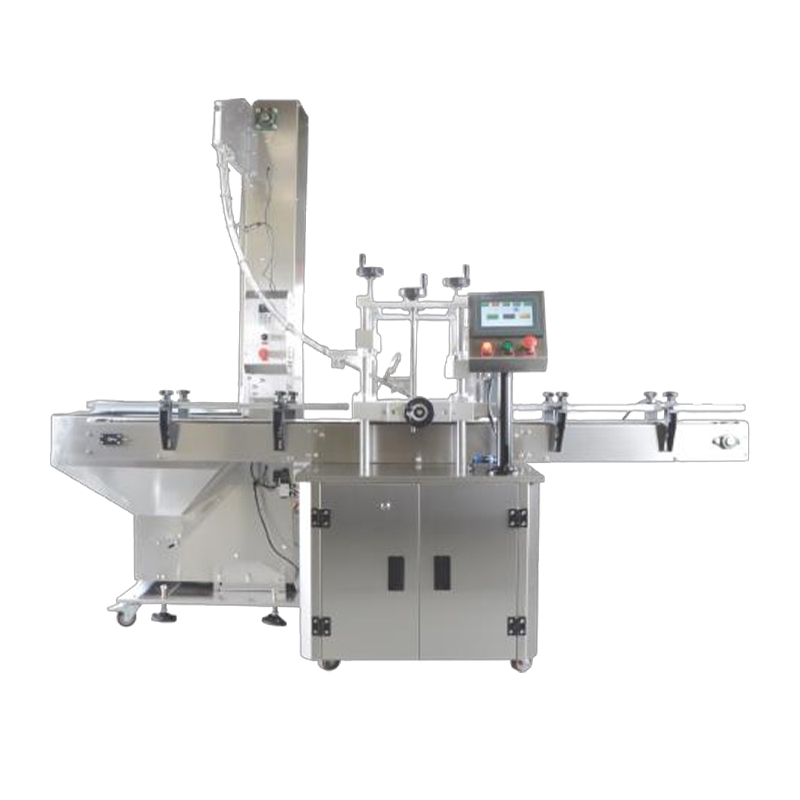
The fully automatic capping and capping machine can automatically complete the processes of bottle feeding, capping, cap...
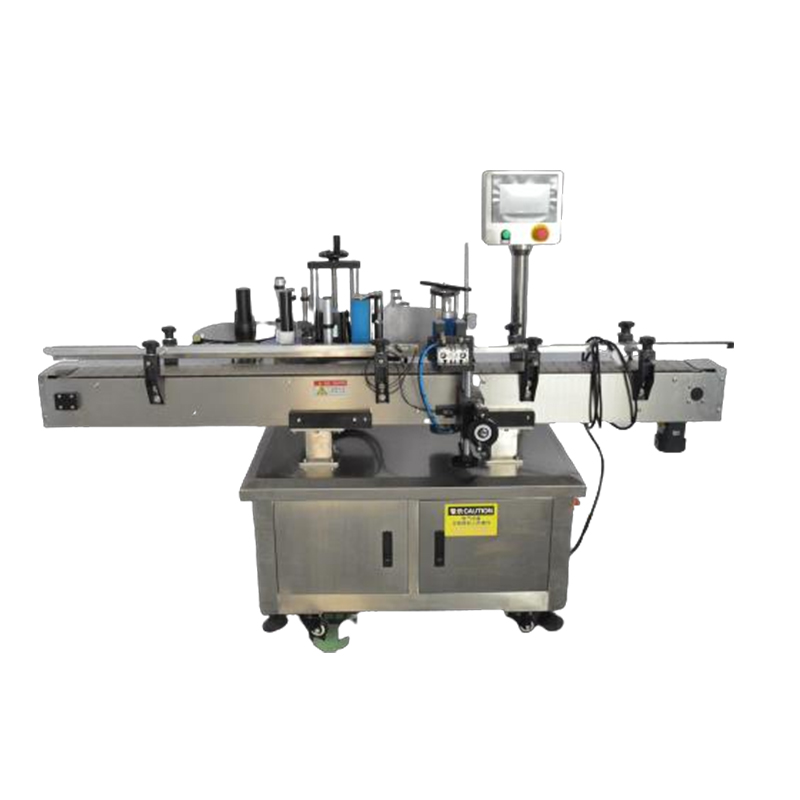
A tennis can labeling machine is a device that uses adhesive to paste paper or metal foil labels on specified containers...
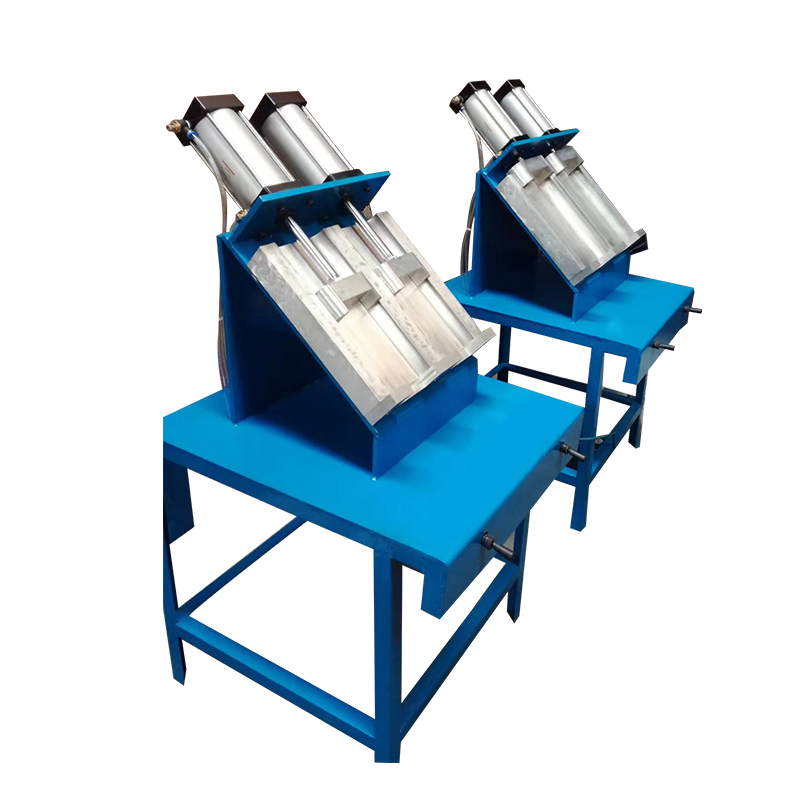
The tennis production process includes raw material preparation, tennis core production, rubber coating, polishing, and ...
A dough kneader works by applying repeated mechanical pressure, folding, and stretching motions to raw dough, mimicking the hand-kneading technique used in tra...
READ MOREYes, a dough hook can replace hand kneading in most bread and pasta recipes — but with important caveats. A stand mixer fitted with a dough hook replicates the...
READ MOREThe Core Mechanism of a Kneader Machine A kneader machine works by utilizing a pair of counter-rotating blades (typically Z-shaped or Sigma blades) that operat...
READ MOREThe Definitive Indicators of Kneading Completion You know you are done kneading when the dough transforms from a shaggy, sticky mass into a smooth, supple, and...
READ MOREDirect Answer: Typical Kneader Capacity Ranges The capacity of a kneader varies significantly depending on its intended use, ranging from 1 liter for laborator...
READ MOREThe Tennis Ball Production Line involves a highly specialized manufacturing process designed to create durable, high-performance tennis balls. The production process combines advanced materials and precise machinery to ensure the balls meet the necessary standards for bounce, durability, and consistency.
Key Materials in Tennis Ball Production
Rubber:
The core of the tennis ball is made from rubber, which provides the necessary bounce and elasticity for consistent performance.
Felt:
Felt (a combination of wool and synthetic fibers) is applied to the rubber core. The felt layer affects the ball's aerodynamics, durability, and how it reacts on the court.
Adhesives:
Strong adhesives are used to bond the felt to the rubber core, ensuring the ball maintains its structure during play.
Bladders:
Some tennis balls include an inner bladder made of rubber or latex to maintain internal pressure, which is crucial for the ball’s bounce and performance.
Key Stages in Tennis Ball Production
1. Material Preparation
Rubber compounds are mixed with other materials to form the core of the tennis ball. The rubber is shaped into the desired spherical form using molds.
2. Molding and Shaping
The rubber core is placed in molds and heated to ensure it sets into the right shape. This process is crucial for ensuring the ball maintains its structural integrity.
3. Felt Application
After the core is molded, a layer of felt is applied to the ball. The felt is pre-cut to fit the ball, and adhesives are used to ensure it stays attached throughout the ball's lifespan.
4. Inflation and Pressurization
In some cases, the ball is equipped with an inner bladder that is inflated to maintain internal pressure. This helps the ball maintain its bounce and consistency.
5. Quality Control and Testing
Tennis balls undergo rigorous testing to ensure they meet bounce height and durability standards. The balls are tested for consistency in size, weight, and bounce on a variety of surfaces.
6. Packaging and Distribution
Once quality checks are completed, the balls are packaged (usually in cans or boxes) for shipping to retailers or customers.
Key Equipment in the Tennis Ball Production Line
Molding Machines: These machines form the rubber core into the shape of a ball.
Pressurization Equipment: Used to inject air or maintain the internal pressure of the ball, ensuring optimal bounce.
Felt Application Machines: These machines wrap and bond the felt to the rubber core of the ball.
Quality Control Testers: Instruments used to check the bounce, weight, and size of the tennis balls.
Packaging Machines: These machines are responsible for placing the finished tennis balls into cans or boxes for distribution.

Room 602, No.91, Lane 555, Chenchuan Road,Baoshan District, Shanghai,China.200949
+86-186 1618 0786
+86-021 660 110 29

