
 English
 русский
 Español
 عربى
عربى

Content
- 1 What Is a Vulcanizing Machine? The Short Answer
- 2 How Vulcanization Works: Heat, Pressure, and Time
- 3 Main Types of Vulcanizing Machines
- 4 How to Choose the Right Vulcanizing Machine
- 5 Where Vulcanizing Machines Are Used: Industry Examples
- 6 Safety and Maintenance: What Every Production Manager Should Know
- 7 Frequently Asked Questions About Vulcanizing Machines
- 7.1 What is the difference between a vulcanizing press and a rubber injection molding machine?
- 7.2 What temperature and pressure should a vulcanizing machine reach?
- 7.3 How long does rubber need to vulcanize in a press?
- 7.4 Why should I use a vacuum vulcanizing press?
- 7.5 Can one machine vulcanize different rubber compounds?
- 7.6 What shortens the life of a vulcanizing machine?
What Is a Vulcanizing Machine? The Short Answer
A vulcanizing machine is a press that converts uncured rubber compound into a strong, elastic, heat-resistant finished part by applying controlled heat, pressure, and time. The machine triggers the cross-linking reaction inside the rubber, normally through sulfur or peroxide cure systems, and that reaction is what separates a shapeable sheet of compound from a real rubber product. If you are planning to produce shoe soles, O-rings, seals, hoses, or anti-vibration mounts, the vulcanizing machine is the heart of your production line.
Think of it this way: before vulcanization, rubber behaves like soft plasticine; after vulcanization, it becomes the resilient material that absorbs vibration, seals fluids, and survives heat and weather. During the process, most sulfur-cured compounds are held at 140-170 °C, peroxide systems at 160-200 °C, and specialty compounds such as FKM and silicone at 170-250 °C. A machine that cannot maintain these windows will produce soft, sticky, or brittle parts no matter how good the compound is.
The bottom line is simple: your vulcanizing machine decides the final dimensions, hardness, compression set, and long-term durability of every part you ship. Mixing, milling, and preforming all exist to feed this final step, so get the machine right before you build the rest of the process around it.
- Temperature: 140-250 °C depending on the compound and its cure system.
- Pressure: usually 15-40 MPa on the projected part area during curing.
- Time: from a few minutes for thin gaskets to 40-60 minutes for thick blocks.
How Vulcanization Works: Heat, Pressure, and Time
The chemistry becomes easier to grasp once you compare rubber to a bowl of tangled noodles. In sulfur-cured compounds, heat breaks open sulfur rings and creates bridges between the polymer chains of NR, SBR, EPDM, or NBR. Peroxide systems build direct carbon-to-carbon links instead. The result is a three-dimensional network that gives rubber its rebound, chemical resistance, and ability to hold its shape under constant load. Cure accelerators and activators such as zinc oxide and stearic acid control how fast that network forms, which is why the compound recipe matters as much as the machine settings.
Three variables control success: temperature, pressure, and time. Temperature drives the chemical reaction; pressure pushes air out and forces the compound into every cavity; time determines how fully the reaction finishes. Under-cured rubber lacks strength and rebounds poorly; over-cured rubber becomes hard and prone to cracking.
Practical cure time follows an old shop-floor rule of about 3-5 minutes per millimeter of solid rubber thickness at typical molding temperatures. A 12 mm shock mount block can therefore need 40-60 minutes, while a 2 mm gasket cures in under 10 minutes. Thicker parts also require slower heating to avoid scorched surfaces and uncured centers.
| Heating Method | Practical Temperature Range | Typical Uniformity | Best Suited For |
|---|---|---|---|
| Steam | 120-180 °C | +/-5 °C | Thick sections, autoclaves |
| Hot Oil | Up to 250 °C | +/-2 °C | Platens needing tight uniformity |
| Electric Cartridge | Up to 300 °C | +/-3 °C with PID control | Small platens, injection machines |
Main Types of Vulcanizing Machines
Not every rubber product can be cured in the same way. Your part geometry, annual volume, and mold style will point you to one of four machine types.
Hydraulic Curing Press (Compression Molding)
The workhorse of the rubber industry. An uncured blank or strip is loaded into an open mold, the platen closes under hydraulic pressure, and heat passes through the mold into the compound. Multi-daylight presses stack several mold levels to raise output, and because molds are relatively simple, this type remains the first choice for pads, gaskets, shoe soles, and general-purpose seals. The two critical purchasing figures are platen size and tonnage.
Vacuum Vulcanizing Press
Trapped air causes blisters and unfilled corners, especially in molds with thin ribs, deep cavities, or metal inserts. A vacuum vulcanizing press evacuates the chamber before the mold fully closes, eliminating most air-related defects. An operator-friendly option in this category is a vacuum hot pressing machine with a full enclosure, programmable evacuation, and PID temperature control on each platen.
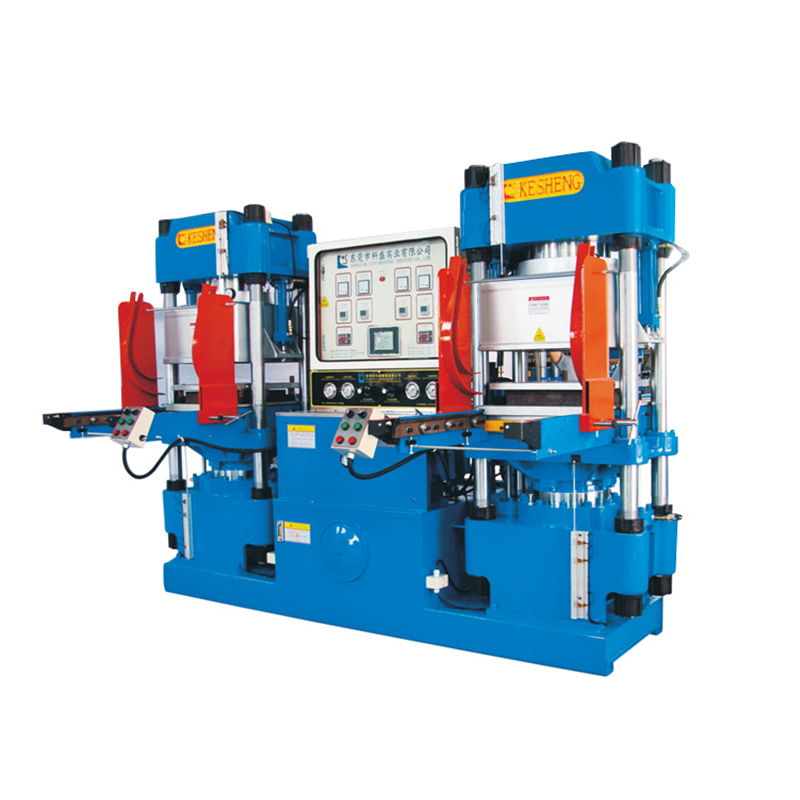 Custom Vacuum hot-pressing machine Manufacturers, SuppliersThis machine is a vulcanizing machine for various rubber and plastic products. It has the functions of timing mold locking, automatic pre...View Product →
Rubber Injection Molding Machine
An injection machine plasticizes the compound in a screw or plunger unit and injects it directly into a closed mold under pressure. You no longer need to pre-weigh blanks or open the mold to load them, which shortens cycles and reduces flash. Vertical machines shine with bonded-metal parts such as oil seals and air springs; horizontal machines suit larger mouldings and higher output. Seal manufacturers who switch from compression to injection often see labor cost drop noticeably on the same part numbers. For that reason, our vertical or horizontal rubber injection machine is built with quick material change and repeatable shot control in mind.
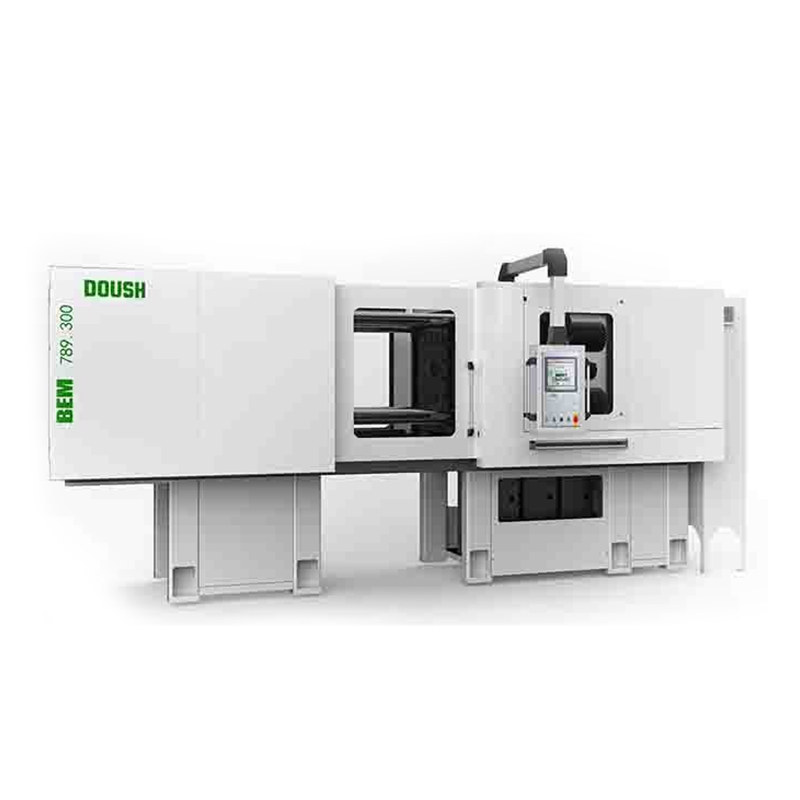 Custom Vertical/horizontal rubber injection machine Manufacturers, SuppliersIt is a technology for the production of rubber-molded products. It is mainly used in the production of rubber molded products, such as e...View Product →
Autoclaves and Continuous Curing Lines
Long profiles, hoses, and cables cannot fit between flat platens. These products cure inside autoclaves filled with high-pressure steam, or on continuous lines that combine extrusion with microwave, hot-air, or salt-bath heating. In these systems, production speed is determined by the length of the heating zone and the accuracy of its temperature control rather than by press tonnage.
| Machine Type | Typical Products | Cycle Characteristics | Main Advantage |
|---|---|---|---|
| Compression Press | Gaskets, pads, shoe soles | Minutes per cycle, batch-oriented | Low mold cost, flexibility |
| Vacuum Press | Precision seals, bonded inserts | Slightly longer due to evacuation | Fewer air defects, consistent density |
| Injection Machine | O-rings, connectors, high-volume parts | Fast shot and cure cycle | Repeatability, less flash, low labor |
| Autoclave or Continuous Line | Hoses, cables, profiles | Continuous or batch by load | Long lengths cured uniformly |
How to Choose the Right Vulcanizing Machine
Choosing a press starts from the finished part, not from a product catalog. Answer five questions before requesting a quote.
- What is the projected area of your largest part? Press tonnage equals projected area multiplied by molding pressure. A 400 mm x 400 mm part covers 0.16 m²; at 25 MPa it needs 4.0 MN, about 408 tons. Adding a 10-15 percent margin leads to a 450-500 ton press.
- What is the maximum cure temperature your compound needs? If the datasheet asks for more than 200 °C, avoid low-pressure steam heating and choose electric cartridge or hot-oil heating instead.
- How many cavities will the mold carry? Multi-cavity molds expose any uneven platen temperature immediately, so request a temperature uniformity reading at working temperature, not just at idle.
- Do your parts contain inserts or need vacuum? Bonded seals, oil seals, and air-spring parts nearly always benefit from vacuum or injection machines.
- What is your production volume per shift? Compression molding keeps tooling costs low; injection molding brings cycle time and labor savings when volumes grow.
Do not stop at the quotation price. Budget for a test run with your own compound, and confirm how the supplier measures platen temperature and parallelism before shipping. We have spent more than 15 years building mixers, mills, preformers, and curing presses, and every unit we deliver is tested for temperature uniformity and pressure stability before packing. If you are unsure which category fits your products, walk through our complete machinery catalog and discuss your molds with our technical staff before ordering.
| Parameter | Why It Matters | What to Verify |
|---|---|---|
| Platen Size | Defines maximum mold dimensions | Compare against your largest mold plus clearance |
| Rated Tonnage | Determines flash thickness and part density | Calculate from projected area; request a test report |
| Temperature Range | Must cover your compound's cure window | Confirm upper limit with heating margin |
| Temperature Uniformity | Affects cycle consistency and reject rate | Ask for a 9-point measurement at working temperature |
| Daylight and Stroke | Determines mold height and demolding space | Measure against your thickest mold |
| Control System | Stores cure recipes and protects quality | Look for HMI with timers, alarms, and data logging |
| Safety Hardware | Prevents injuries during loading and demolding | Check two-hand controls, guards, and light curtains |
Where Vulcanizing Machines Are Used: Industry Examples
Vulcanizing machines appear in every rubber goods industry. The common thread is the need for elasticity, sealing performance, and resistance to heat or weather under real service conditions.
- Rubber shoe soles and sports footwear: shoe factories cure rubber outsoles against EVA midsoles, and multi-station machines keep the line running. Many use our fully automatic rubber sole press molding machine
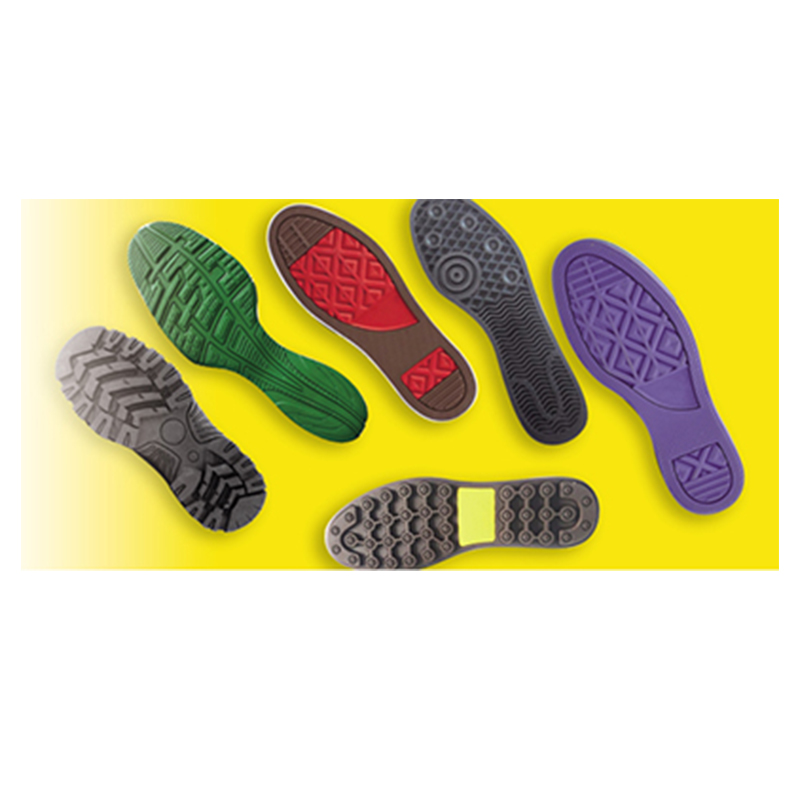 Custom Fully automatic rubber soles press moulding machine Manufacturers, SuppliFully Automatic Rubber Sole Hot Press Forming Machine Product Description1. The automatic sliding mold and mold turning structure can red...View Product → to cure several soles per cycle with even pressure distribution.
 - O-rings and gaskets: these small parts rely on tight temperature control and precise mold closure; vacuum presses and injection machines dominate this category.
- Oil seals and air springs: metal inserts are loaded, rubber is injected or compression molded around them, and the bond forms during the same curing cycle.
- Hoses, profiles, and cable insulation: continuous lines or autoclaves replace flat presses.
- Anti-vibration mounts and rollers: thick sections demand long cycles and careful temperature gradients.
- Sporting goods such as tennis balls: the ball core goes through heat curing before the felt wrapping stage, and complete lines exist to handle that process.
After curing, most molded parts still carry flash at the parting line. Trimming by hand or tumbling in a cryogenic deflashing chamber cleans the part without damaging its seal surface. Plan this finishing step together with the press selection, because flash volume depends on mold design and press precision.
Safety and Maintenance: What Every Production Manager Should Know
A vulcanizing machine combines high heat, heavy hydraulic force, and large moving platens. When respected, it delivers years of trouble-free service; when ignored, it can injure operators and ruin production in one shift.
Safety essentials for every press line
- Install two-hand operation buttons or light curtains so the press cannot close while an operator is reaching into the mold.
- Use lockout/tagout procedures before anyone cleans platens or changes molds.
- Replace hydraulic hoses at the first sign of wear. A fine oil jet leaking under pressure can penetrate skin and requires immediate medical attention.
- Wear approved heat-resistant gloves and face protection when loading blanks and removing cured parts.
- Keep the mold area free of tools and compound scraps, and never disable a safety switch to save a few seconds.
A practical maintenance rhythm
- Check platen parallelism monthly with a dial gauge and keep it within 0.05 mm per meter; warped platens create uneven part thickness.
- Measure platen temperature across nine points every three months; expect deviation within +/-3 °C at the set temperature.
- Replace hydraulic oil and filters on schedule, typically every 2,000 operating hours, and inspect for water or dirt in the reservoir.
- Calibrate temperature sensors every six months; a drifting sensor wastes more material than most mechanical breakdowns.
- Inspect heating cartridges, oil pipes, and steam seals during the shift startup checklist.
- Test two-hand controls, light curtains, and emergency stops weekly and keep a written record.
Follow this rhythm and a well-built press should run for 15-20 years. In our experience, premature failures trace back to buying on price alone, skipping the temperature uniformity check, or letting hydraulic oil degrade. Tell your supplier about your compound, mold, and shift pattern, and you will receive a machine that still meets your quality target five years from installation.
Frequently Asked Questions About Vulcanizing Machines
What is the difference between a vulcanizing press and a rubber injection molding machine?
A vulcanizing press, meaning the classic compression press, cures a pre-placed blank inside an open mold. An injection machine plasticizes the compound and injects it into a closed mold first, then cures it. Injection gives shorter cycles, less flash, and better cavity filling, but its molds cost more and setup is more complex.
What temperature and pressure should a vulcanizing machine reach?
Most rubber compounds cure between 140 and 200 °C; FKM and silicone grades may need up to 250 °C. Typical molding pressure on the projected part area is 15-40 MPa, with thicker or more complex parts requiring higher tonnage.
How long does rubber need to vulcanize in a press?
The rule of thumb is 3-5 minutes per millimeter of solid thickness, adjusted for the compound's cure curve. A thin gasket may cure in 4-8 minutes, while a thick mount can run 40-60 minutes. Always confirm with a cure rheometer test for your specific compound.
Why should I use a vacuum vulcanizing press?
Vacuum removes air from the mold cavity before full closure. That means fewer blisters, better corner filling, and more consistent density, which matters for gaskets, bonded inserts, and parts with complex geometry.
Can one machine vulcanize different rubber compounds?
Yes, as long as the machine's maximum temperature covers each compound's cure window. Keep sulfur-cured and peroxide-cured materials separated by cleaning the mold between batches, and switch from one press to another rather than running incompatible materials on the same day without a thorough clean.
What shortens the life of a vulcanizing machine?
The usual culprits are operating beyond rated tonnage, running uneven platen temperatures without correction, ignoring hydraulic oil health, and skipping parallelism checks. A scheduled maintenance routine based on operating hours, not calendar months, is the cheapest insurance you can buy.

