
 English
 русский
 Español
 عربى
عربى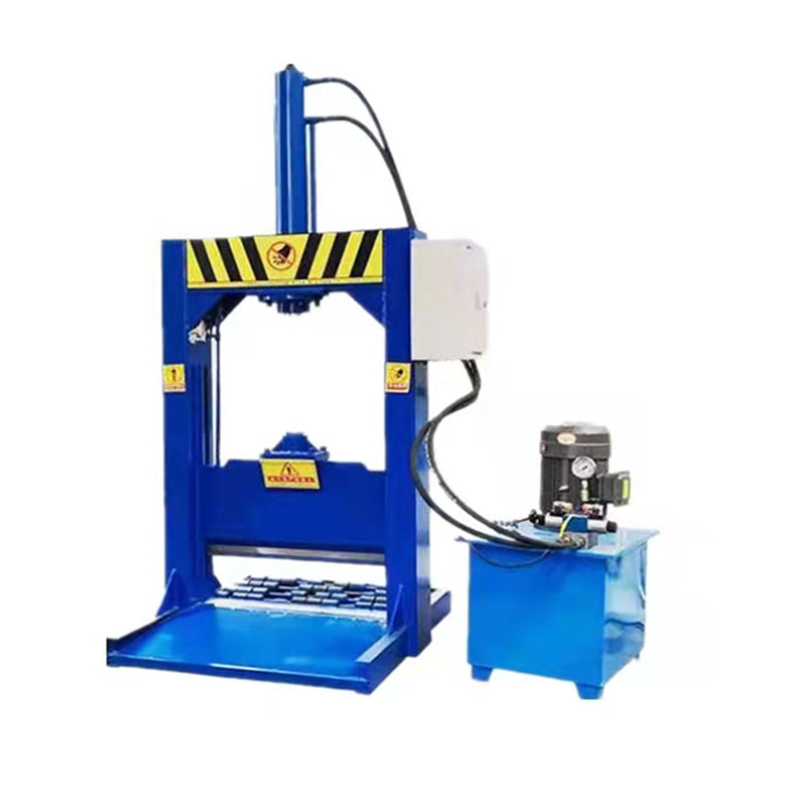
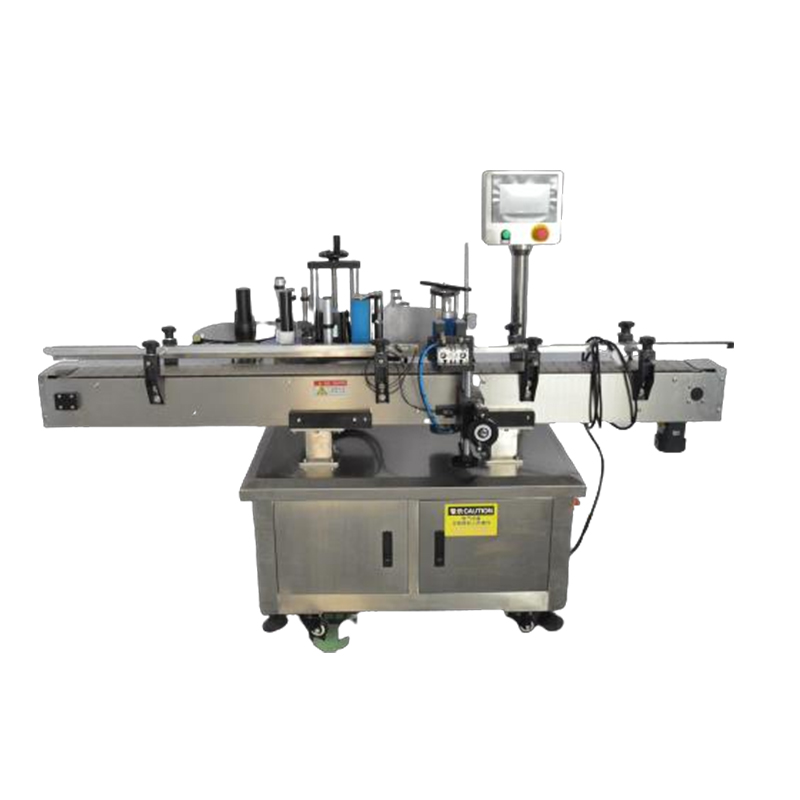
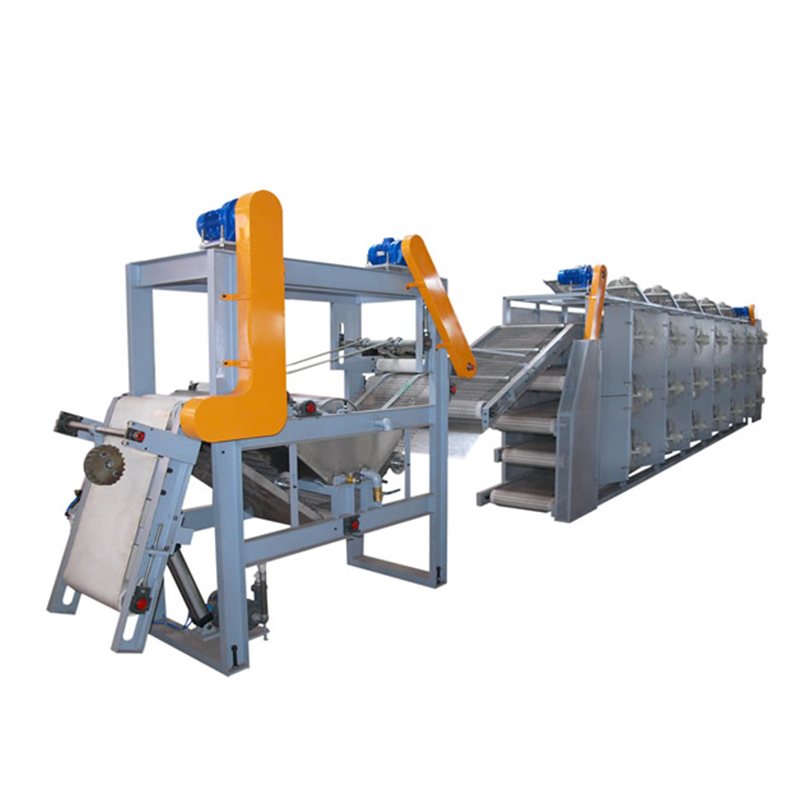
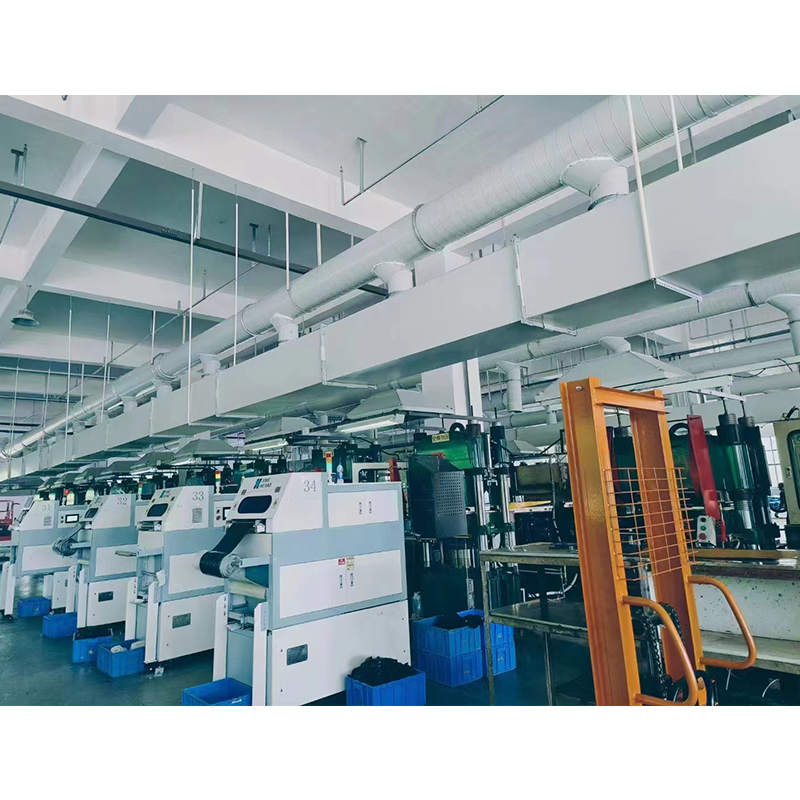
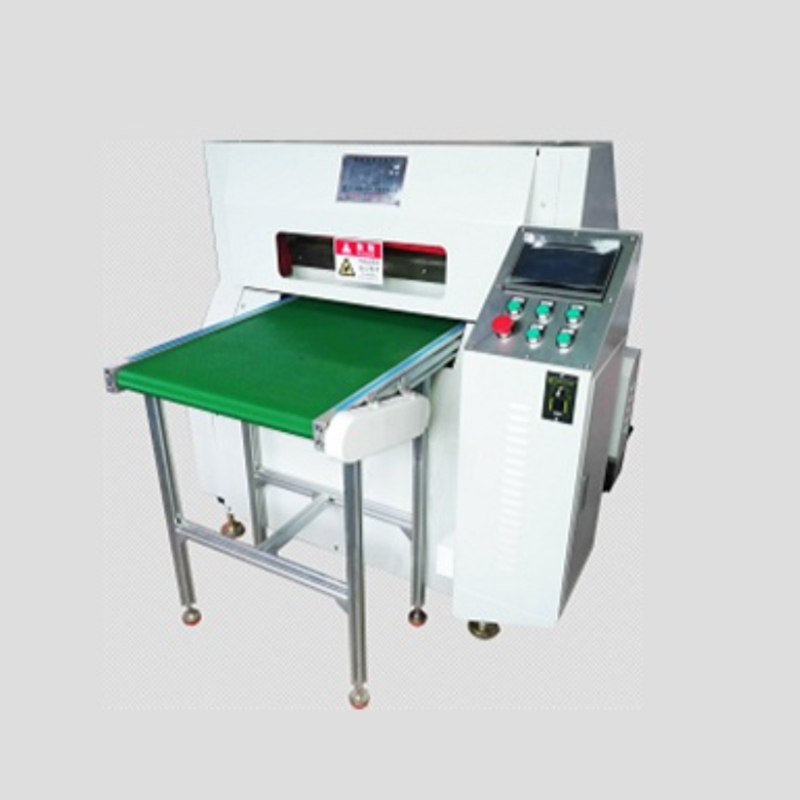
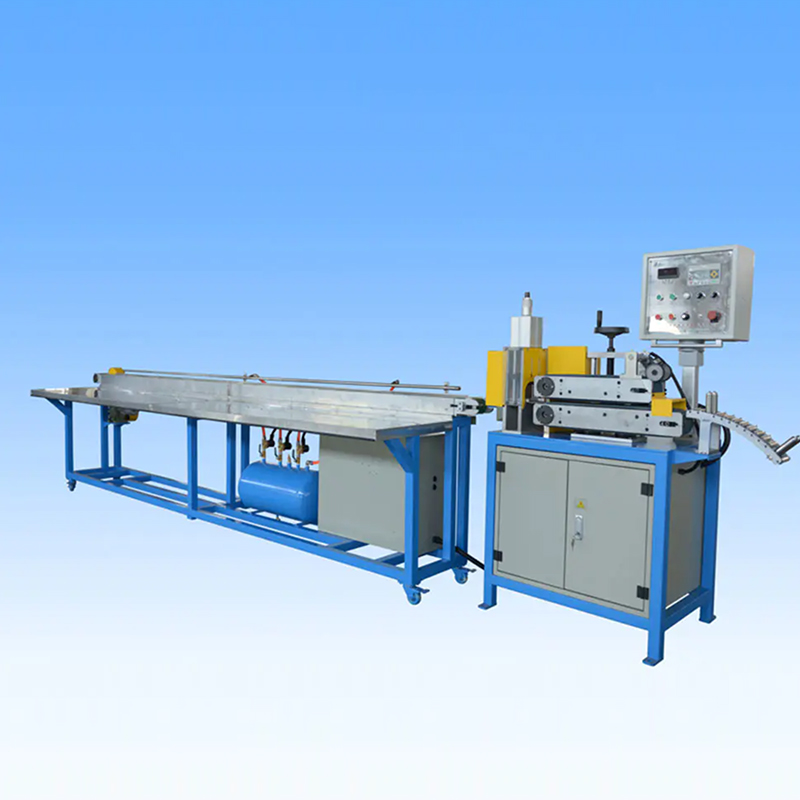
OTT RubberTech is a professional solution provider of rubber process formula, material, machinery with Mixer, Rubber Mixer, Mixing Mill, Precision Performer, Vulcanizing Press, Calender, batch-off Cooling unit, rubber Extruder, and other support plastic machines.
Features and Performance
The performance of an automatic feeder is defined by its weight capacity and the speed of its cycle. These machines are engineered to handle standard international rubber bales (33-35kg) as well as larger, non-standard slabs used in industrial compounding.
| System Feature | Performance Benefit |
|---|---|
| High-Torque Conveyor | Handles heavy loads up to 1000kg per section |
| Hydraulic Lift Table | Adjusts to pallet height for ergonomic feeding |
| Centering Mechanism | Ensures bales are aligned for the cutting blade |
| Integrated Scale | Verifies bale weight before entering the mixer |
| Robotic Arm Option | Fully automated de-palletizing without human input |
| Variable Speed Drive | Matches the feeding rate to the mixing cycle time |
Key features include the use of non-stick materials on the sliding surfaces to prevent the rubber from adhering to the feeder. Many systems also include a "metal detector" station to ensure that any staples or wire from the bale packaging are removed before they can damage the internal mixer rotors. The robust steel construction is designed for 24/7 operation in the dusty and often warm environment of a rubber mixing room.
Usage Tips and Techniques
To optimize the efficiency of an automatic feeder, the pallets of rubber should be oriented correctly so the robotic or hydraulic grippers can easily access the bales. A key technique for processing sticky synthetic rubber is to use a "gravity-assist" design where the bales slide into the mixer, reducing the need for powered transport in the hottest areas of the line.
| Operational Focus | Optimization Technique |
|---|---|
| Pallet Alignment | Use floor guides to ensure pallets are always in the same spot |
| Sensor Maintenance | Clean photo-eyes daily to prevent false triggers from dust |
| Weight Verification | Zero the integrated scale between each pallet run |
| Safety Zone | Mark the robotic path with high-visibility tape and interlocks |
| Lubrication | Use food-grade or dry lubricants to avoid rubber contamination |
Operators should monitor the "buffer" section of the conveyor. Maintaining a 2-3 bale buffer ensures that the de-palletizing unit has time to reload without stopping the mixer. For compounds that require a mix of different rubber types (e.g., NR and SBR), the feeder can be programmed to alternate between different pallets, ensuring the correct ratio is delivered to the mixer intake according to the digital recipe.
Maintenance Skills
Maintenance for automatic feeders centers on the mechanical drive components and the electronic sensors. Because the environment is often filled with rubber dust and oil mist, sensors can become "blinded" and need regular cleaning. The conveyor chains and hydraulic hoses should be inspected for wear and fatigue, especially in high-speed systems that perform hundreds of lifts per shift.
| Maintenance Area | Procedure | Frequency |
|---|---|---|
| Conveyor Chains | Check for stretch and apply high-load lubricant | Monthly |
| Optical Sensors | Wipe lenses and check for alignment | Daily |
| Hydraulic Unit | Check oil levels and inspect for hose leaks | Weekly |
| Safety Interlocks | Verify that all e-stops and gates function correctly | Daily |
| Metal Detector | Test with a standard sample to verify sensitivity | Weekly |
Maintenance staff should also inspect the "grippers" or lifting forks for any buildup of rubber residue, which can cause the bales to stick or slip during transport. The software logic should be reviewed periodically to ensure that any "collision avoidance" parameters are still accurate, especially if the layout of the factory floor has changed. Regularly tightening the mounting bolts on the conveyor frame prevents the vibration from raw rubber loading from causing structural cracks or loose connections.
Application Scenarios
Automatic bale feeders are standard in modern, high-output rubber factories, such as tire plants and large-scale conveyor belt manufacturers. They are also increasingly used in medium-sized shops looking to reduce labor costs and improve workplace ergonomics. Any facility running a mixer larger than 100 liters will see significant ROI from an automated feeding system.
| Industry | Typical Application |
|---|---|
| Tire Production | Continuous feeding of SBR/NR to Banbury mixers |
| Conveyor Belting | Feeding large volumes of rubber for slab production |
| Automotive Parts | High-speed feeding for molded gasket lines |
| Footwear | Automated loading for outsole mixing units |
| Industrial Hose | Feeding reinforced rubber lines for high-pressure hosing |
In the manufacture of aircraft tires, the accuracy of the feeding system is critical to ensuring the material properties meet strict FAA requirements. In large footwear plants, automatic feeders allow a single operator to manage multiple mixing lines simultaneously. The system's ability to provide a "digital log" of every bale fed into the mixer also assists with lot traceability and quality audits, making it a valuable tool for high-compliance manufacturing sectors.

