
 English
 русский
 Español
 عربى
عربى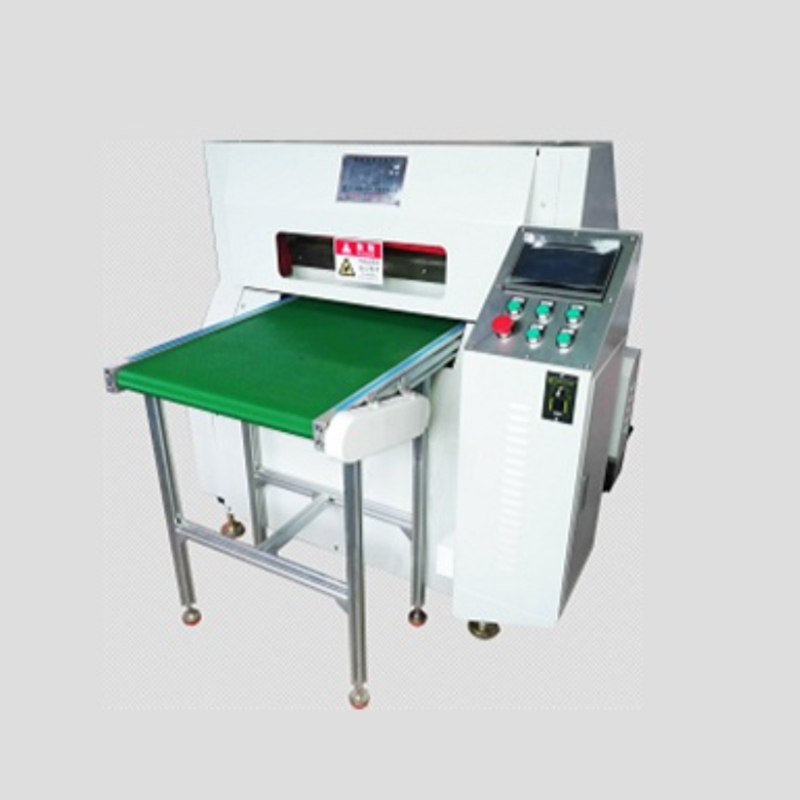
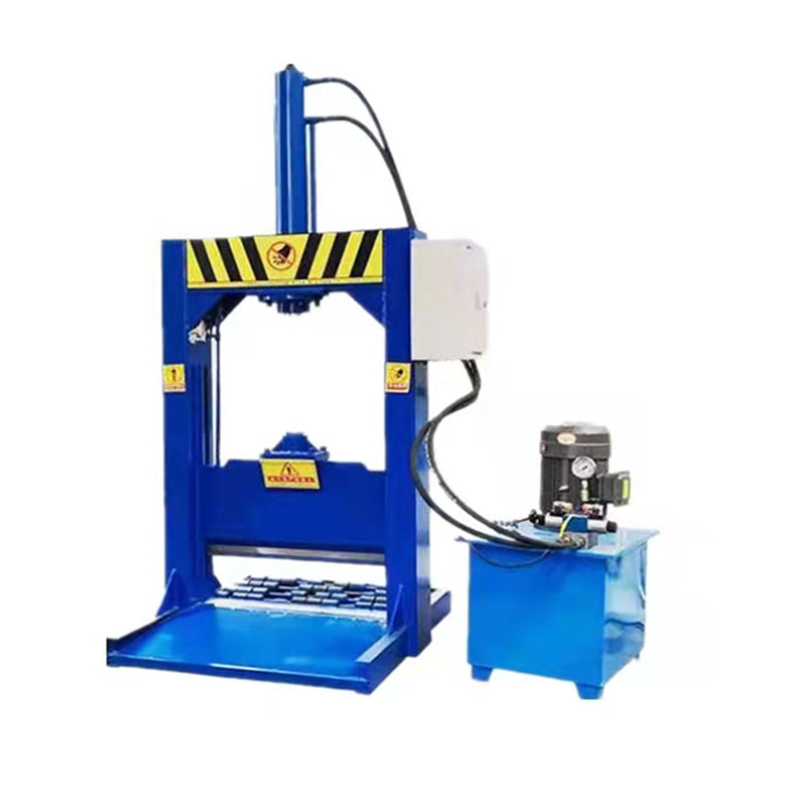
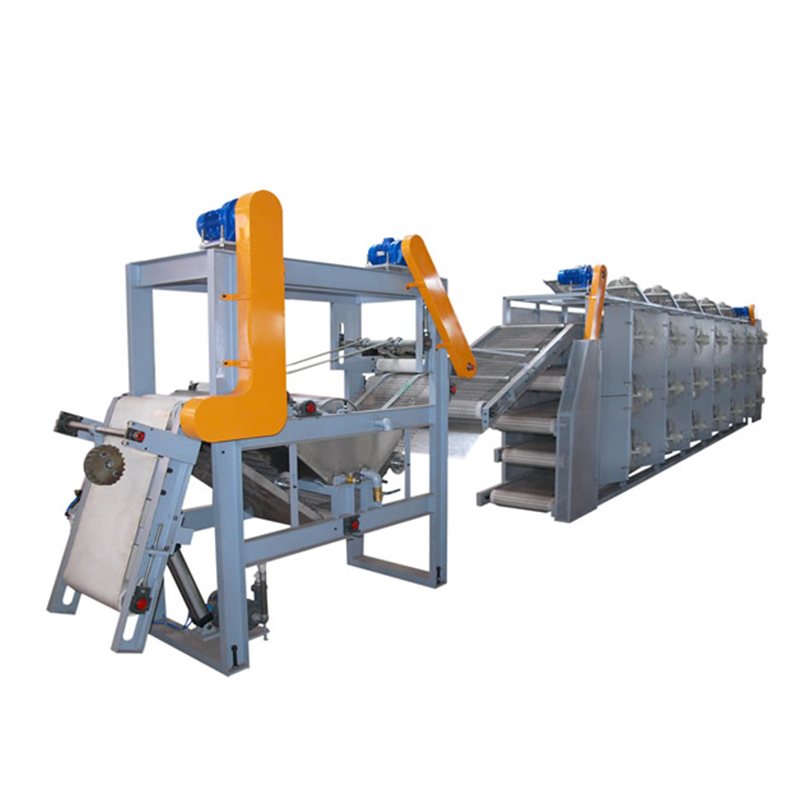
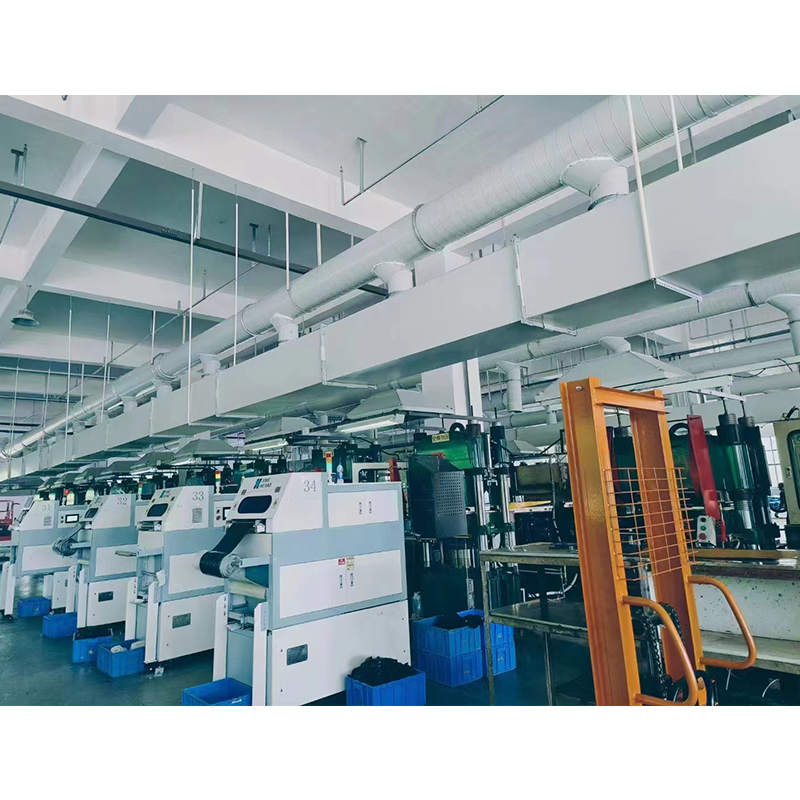
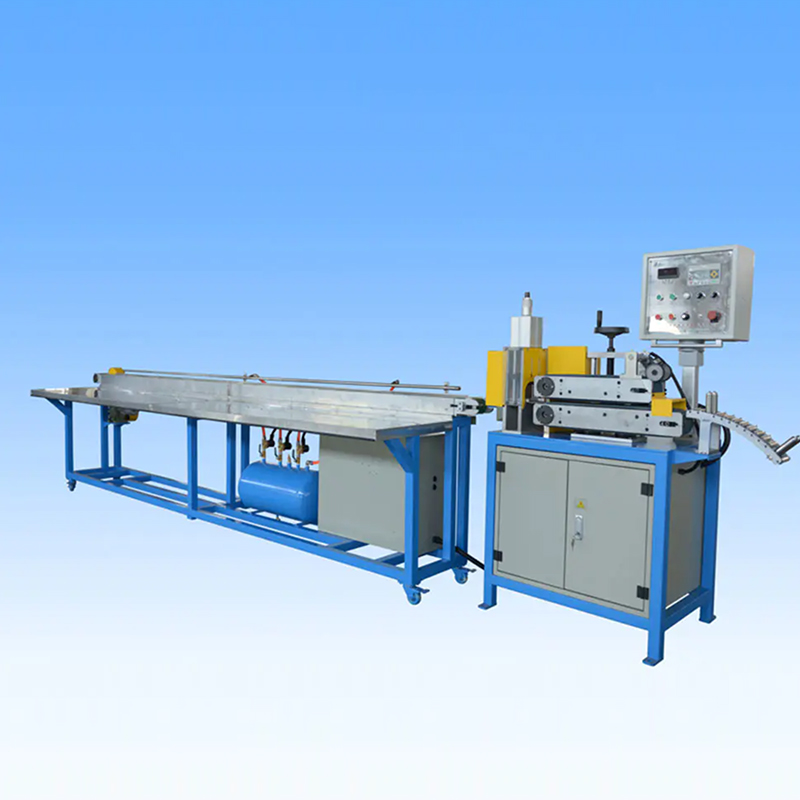
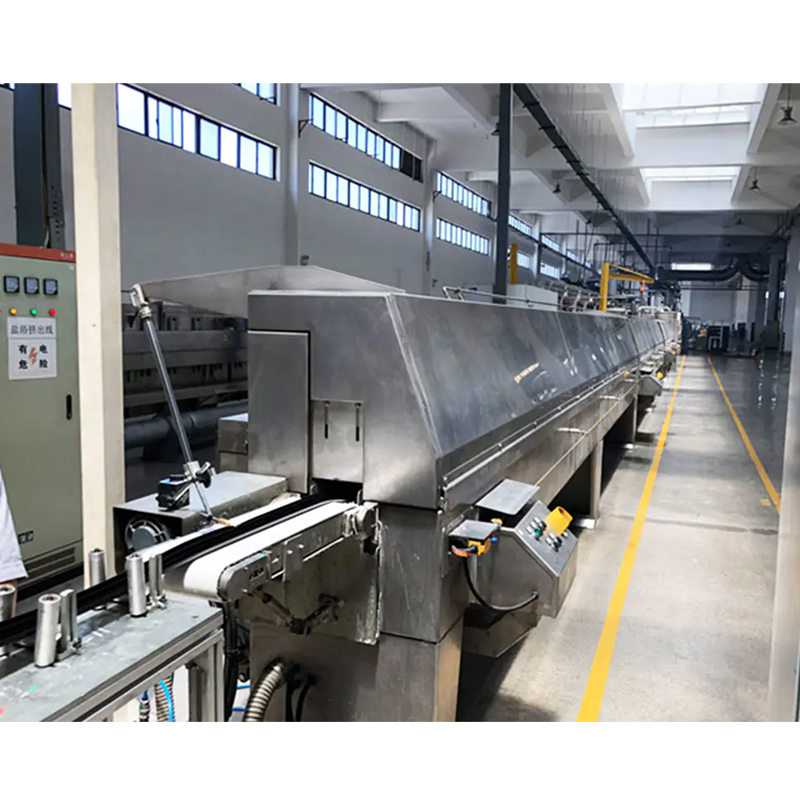
OTT RubberTech is a professional solution provider of rubber process formula, material, machinery with Mixer, Rubber Mixer, Mixing Mill, Precision Performer, Vulcanizing Press, Calender, batch-off Cooling unit, rubber Extruder, and other support plastic machines.
Features and Performance
The performance of a CNC rubber cutter is defined by its cutting speed and the accuracy of its motion control. These machines often feature a vacuum table to hold the rubber sheet firmly in place during the high-speed cutting process.
| System Feature | Performance Capability |
|---|---|
| Cutting Method | Oscillating Knife, Rotary Blade, or Laser |
| Position Accuracy | Plus or minus 0.05 mm |
| Maximum Speed | Up to 1500 mm/s |
| Cutting Depth | Up to 50mm (depending on knife type) |
| Work Table | Vacuum suction bed with felt or plastic mat |
| Software | Integrated Nesting (for material savings) |
Key features include "Nesting Software," which automatically arranges the parts on the sheet to minimize rubber waste, often saving 15-20 percent in material costs compared to manual methods. Multi-head configurations allow the machine to switch between cutting, punching, and marking in a single operation. For thick or high-density rubber, the oscillating knife uses high-frequency vibrations (up to 20,000 cycles/min) to slice through the material with minimal drag and zero distortion of the part edges.
Usage Tips and Techniques
To ensure a clean cut, the vacuum pressure must be high enough to prevent the rubber from shifting under the force of the knife. A key technique for cutting thin, stretchy rubber is to use a "plastic film" overlay; the vacuum pulls the film down onto the rubber, effectively sandwiching it and preventing it from "bunching up" in front of the blade.
| Operational Phase | Optimization Technique |
|---|---|
| Material Loading | Ensure the sheet is flat and free of wrinkles |
| Blade Selection | Use a 45-degree blade for details and 60-degree for thickness |
| Nesting | Use "Common Line Cutting" to share paths between parts |
| Vacuum Control | Seal off unused areas of the table with scrap rubber |
| Speed Control | Slow down the feed rate for small, tight radii |
Operators should frequently check the condition of the "cutting mat" (the felt or plastic surface on the vacuum bed). If the mat becomes too scarred with old cut lines, the vacuum will leak, and the parts will not be held securely. For very large parts, using "bridge" or "tab" cutting (leaving a tiny piece of rubber uncut) keeps the part connected to the main sheet, preventing it from being sucked into the vacuum system or moving before the cut is finished.
Maintenance Skills
Maintenance for CNC cutters centers on blade sharpness and the cleanliness of the motion control system (rails and belts). Because rubber cutting generates a lot of fine dust and often uses silicone lubricants, the guide rails can become sticky, leading to "stuttering" in the motion and jagged cut edges. Daily cleaning and light lubrication of the X and Y axes are mandatory.
| Maintenance Area | Procedure | Frequency |
|---|---|---|
| Cutting Blades | Inspect for dullness and replace as needed | Daily |
| Guide Rails | Wipe clean and apply light machine oil | Daily |
| Vacuum Pump | Check filters and monitor for suction loss | Weekly |
| Cutting Mat | Surface-grind or replace the sacrificial mat | Monthly |
| Control PC | Check for software updates and backup designs | Monthly |
Maintenance staff should also inspect the high-frequency oscillating motor. If it begins to run hot or makes an unusual noise, the bearings may be failing due to the high-speed vibrations. The belts should be checked for tension and "missing teeth," which would cause a loss of dimensional accuracy. Regularly clearing the vacuum manifold of small rubber scraps prevents blockages that can reduce the holding power of the table.
Application Scenarios
CNC rubber cutters are the backbone of modern gasket fabrication shops. They are used for producing architectural seals, automotive gaskets, industrial insulation, and custom rubber components for the aerospace and medical industries. Their flexibility makes them ideal for any environment where the product mix changes daily.
| Industry Sector | Typical CNC Cut Part |
|---|---|
| Gasket Fabrication | Custom flange gaskets from EPDM, Nitrile, or Viton |
| Aerospace | Vibration dampening pads and aerodynamic seals |
| Construction | Expansion joint fillers and window gaskets |
| Packaging | Rubber protective inserts and cushioning |
| Renewable Energy | Solar panel gaskets and wind turbine seals |
In the automotive racing industry, CNC cutters are used to produce custom fuel cell gaskets and suspension shims overnight. For manufacturers of large industrial equipment, these machines allow for the creation of massive gaskets (over 2 meters wide) without the need for an impossibly large and expensive die. The ability to go from a PDF drawing to a finished part in minutes is the primary competitive advantage provided by this technology.

