
 English
 русский
 Español
 عربى
عربى
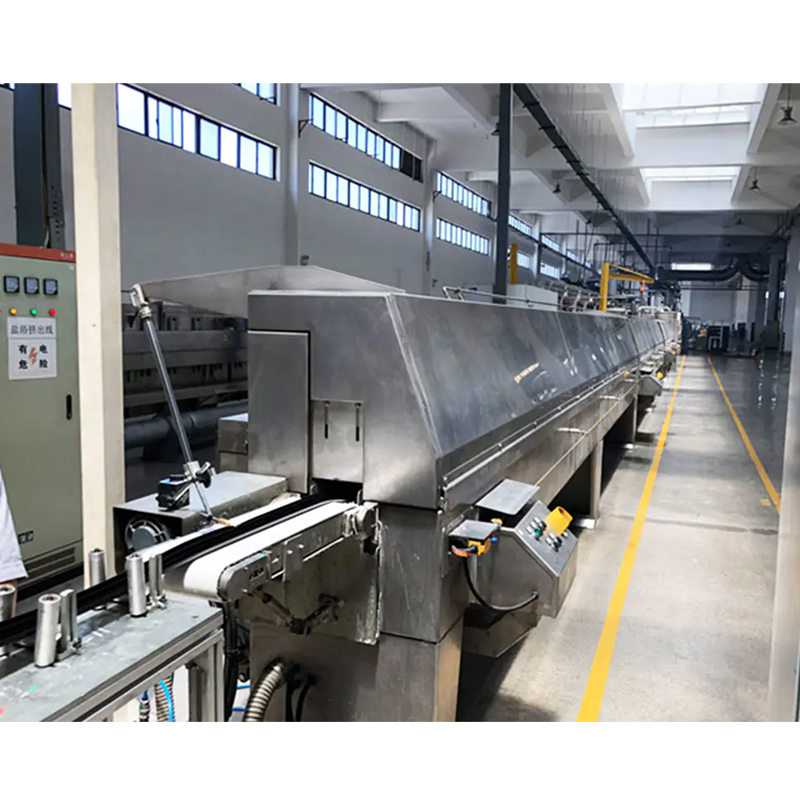
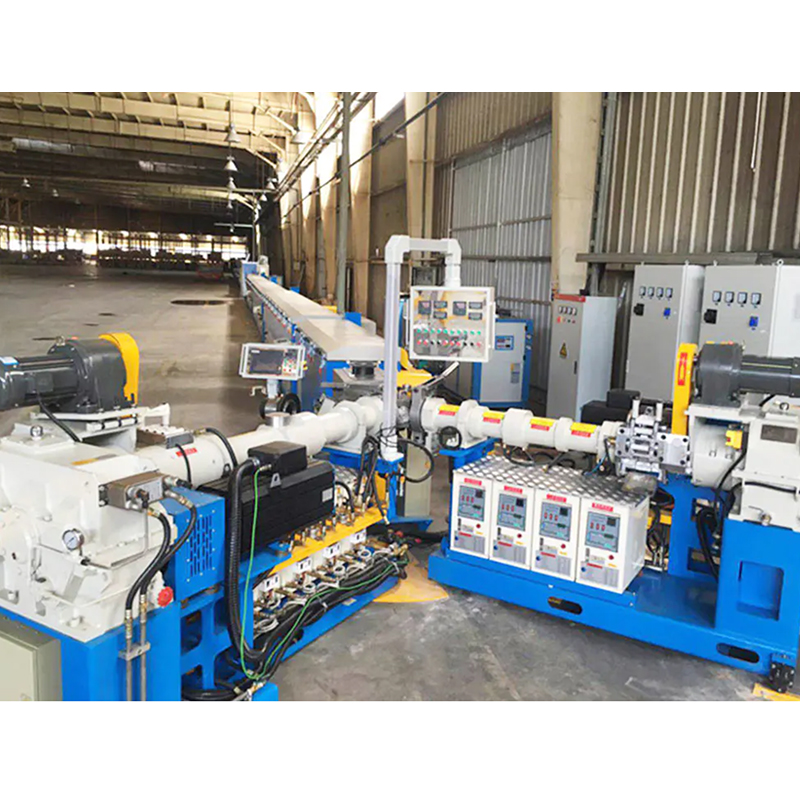
OTT RubberTech is a professional solution provider of rubber process formula, material, machinery with Mixer, Rubber Mixer, Mixing Mill, Precision Performer, Vulcanizing Press, Calender, batch-off Cooling unit, rubber Extruder, and other support plastic machines.
Features and Performance
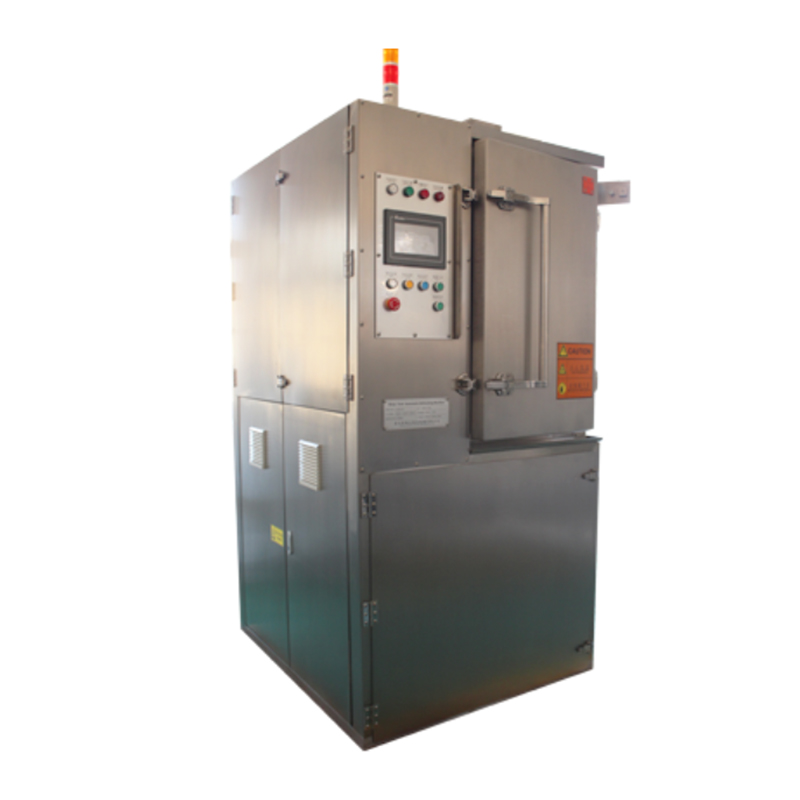
The performance of a cryogenic deflasher is defined by its temperature control precision and the velocity of the blast wheel. These machines must be able to maintain temperatures as low as -150 degrees Celsius for high-performance elastomers like Viton.
| Technical Feature | Performance Standard |
|---|---|
| Temp Range | 0 to -150 degrees Celsius |
| Blast Wheel Speed | Up to 10,000 RPM (Variable) |
| Media Type | Polycarbonate or nylon pellets (0.5mm - 1.5mm) |
| Chamber Capacity | Range from 20L to 150L |
| Control System | Touchscreen PLC with recipe storage |
| Insulation | High-density polyurethane foam and vacuum panels |
Key features include a vibratory screening system that separates the finished parts from the blast media and the removed flash, allowing the media to be recycled. The internal chamber is made of special low-temperature alloy steel to prevent cracking under thermal stress. Advanced models feature "smart cooling" algorithms that minimize nitrogen consumption, significantly lowering the operating cost per part. The variable speed tumbling action ensures that all surfaces of the parts are exposed to the blast media for uniform deflashing.
Usage Tips and Techniques
To achieve the best results, parts should be sorted by size and compound type. Mixing parts with different glass transition temperatures (Tg) in the same batch will result in either incomplete deflashing or damage to the softer parts. A key technique is to use the "pre-cool" cycle effectively; allowing the parts to reach a uniform temperature before the blast wheel starts ensures a clean break of the flash right at the part line.
| Processing Phase | Optimization Technique |
|---|---|
| Batch Sizing | Fill the chamber 50-70 percent for optimal tumbling |
| Media Choice | Use smaller media for intricate parts and larger for heavy flash |
| Temp Setting | Set the temp 5-10C below the rubber's Tg point |
| Blast Time | Keep blast times short (2-5 mins) to avoid surface erosion |
| Media Cleaning | Run the media through the de-duster to remove rubber dust |
When processing very small O-rings, reducing the tumble speed and increasing the blast wheel speed is the most effective way to remove flash from the inner diameter. For silicone parts, which have a very low Tg, a higher concentration of nitrogen and a slightly longer pre-cool time are required. It is also a best practice to ensure the parts are dry before loading; any moisture will turn into ice and cause the parts to stick together, preventing effective deflashing.
Maintenance Skills
Maintenance for cryogenic deflashers focuses on the blast wheel assembly and the moisture management of the machine. The blast wheel is a high-speed rotating component that undergoes significant wear from the media and the extreme cold. It should be inspected for balance and wear on the blades. The most critical maintenance task is ensuring the air supply is perfectly dry; any moisture entering the machine will freeze and jam the media transport system.
| Maintenance Area | Procedure | Frequency |
|---|---|---|
| Blast Wheel Blades | Inspect for erosion and replace in sets to maintain balance | Monthly |
| Seals & Gaskets | Check chamber door seal for leaks or hardening | Weekly |
| Air Dryer | Check dew point and replace desiccant if needed | Monthly |
| Media Separator | Clean the screens to prevent media/flash mixing | Daily |
| Nitrogen Solenoid | Check for frosting or sluggish valve response | Weekly |
Maintenance staff should also lubricate the tumbling basket bearings with specialized low-temperature grease. The electrical cabinets should be kept clean, and the nitrogen piping should be inspected for vacuum leaks (which appear as thick frost on the outside of the pipes). Regularly calibrating the internal temperature probe is essential, as even a 2-degree error can result in thousands of ruined parts if the temperature goes above the brittle point.
Application Scenarios
Cryogenic deflashing is used primarily for small, high-precision molded parts. It is the industry standard for O-rings, hydraulic seals, automotive connectors, and medical diaphragms. It is also used for deflashing plastic parts and metal die-castings that have thin, brittle flash.
| Industry Sector | Typical Deflashed Part |
|---|---|
| Automotive | Fuel injector seals, spark plug boots, brake seals |
| Medical | Syringe tips, valve diaphragms, surgical grips |
| Fluid Power | Hydraulic O-rings, U-cups, and wipers |
| Electronics | Micro-connectors, keypads, and grommets |
| Aerospace | High-performance FKM and silicone seals |
In the pharmaceutical industry, cryogenic deflashing provides a clean, burr-free finish that is impossible to achieve with knives. For manufacturers of high-performance seals, the process is used to remove flash from "multi-cavity" molds, where hundreds of parts are produced in a single press cycle. This automation allows Western manufacturers to compete with low-labor-cost regions by significantly reducing the man-hours required for finishing.

