
 English
 русский
 Español
 عربى
عربى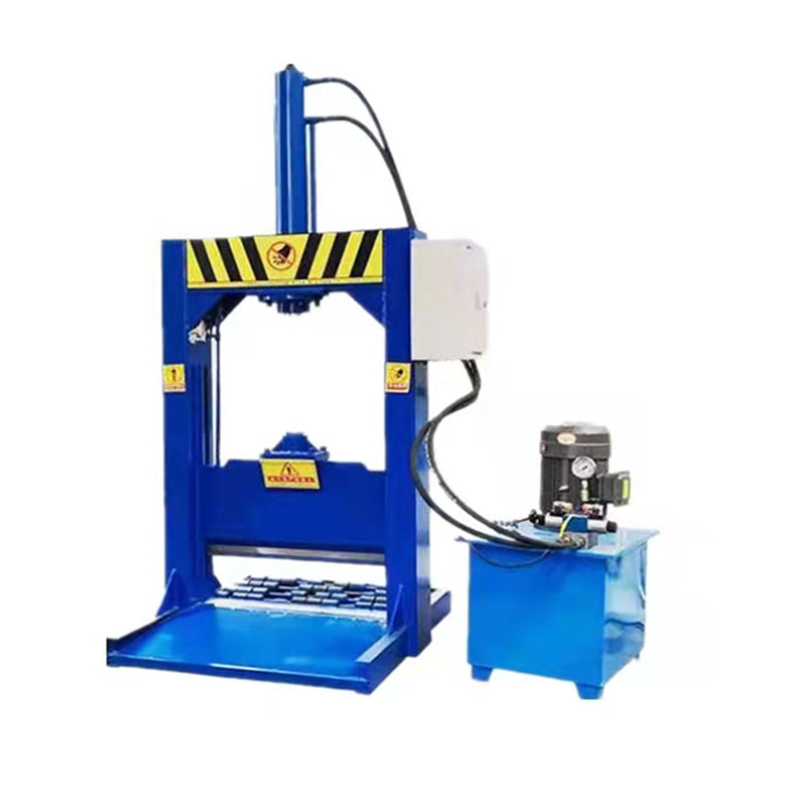
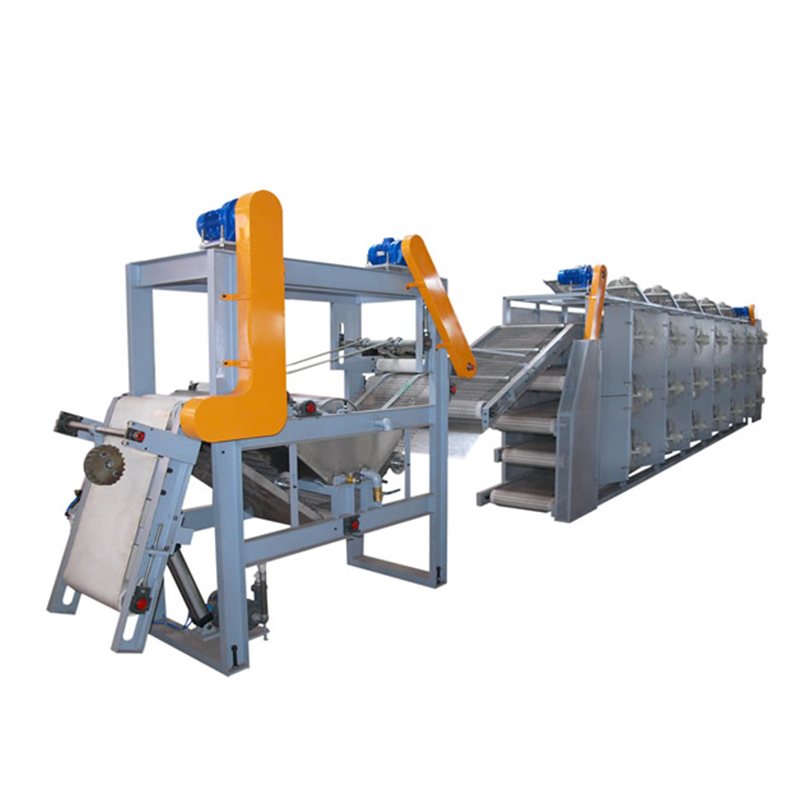
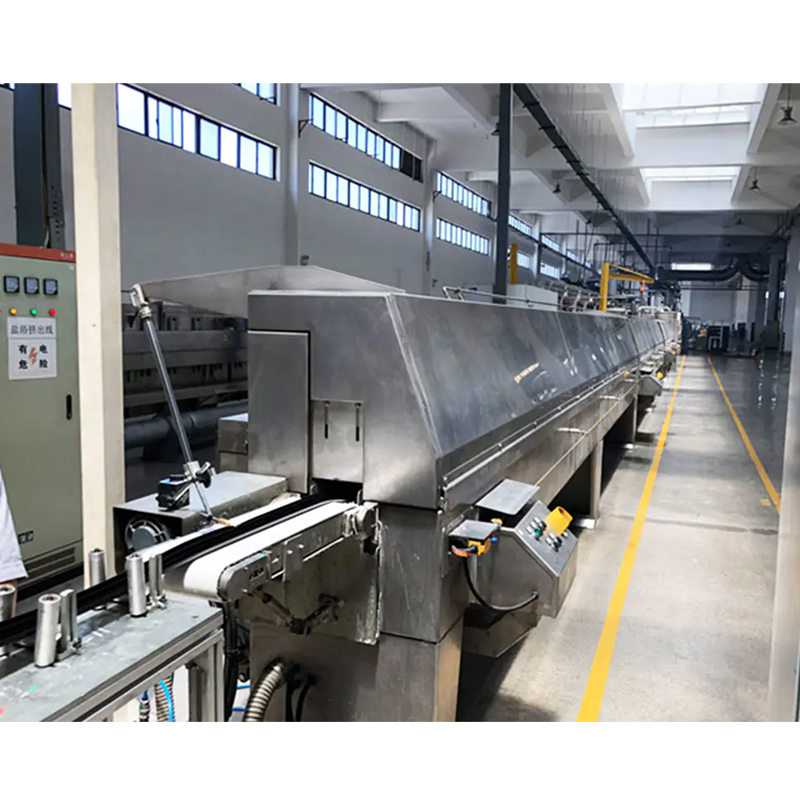
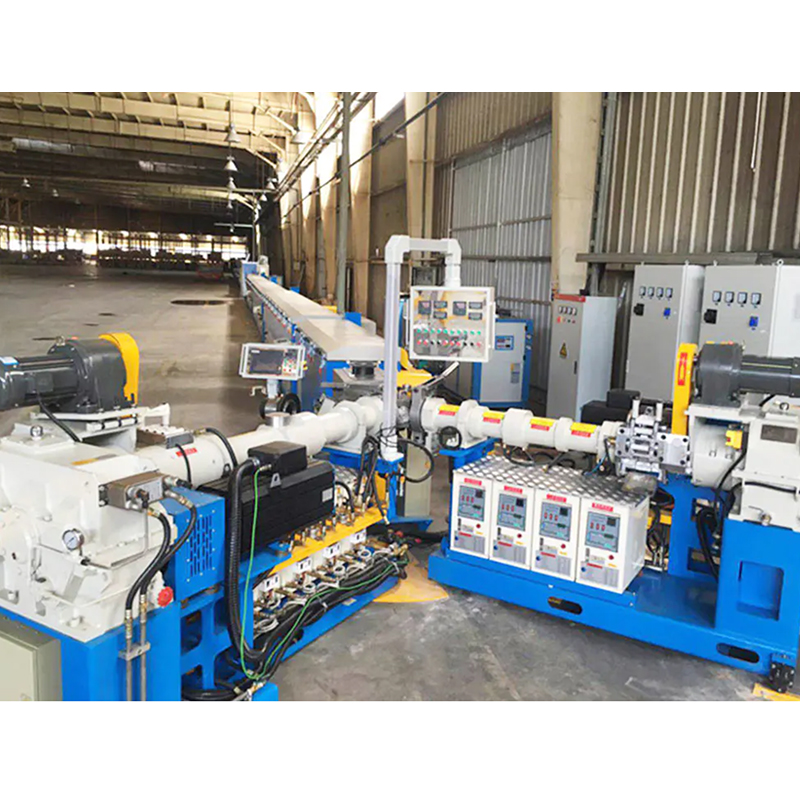
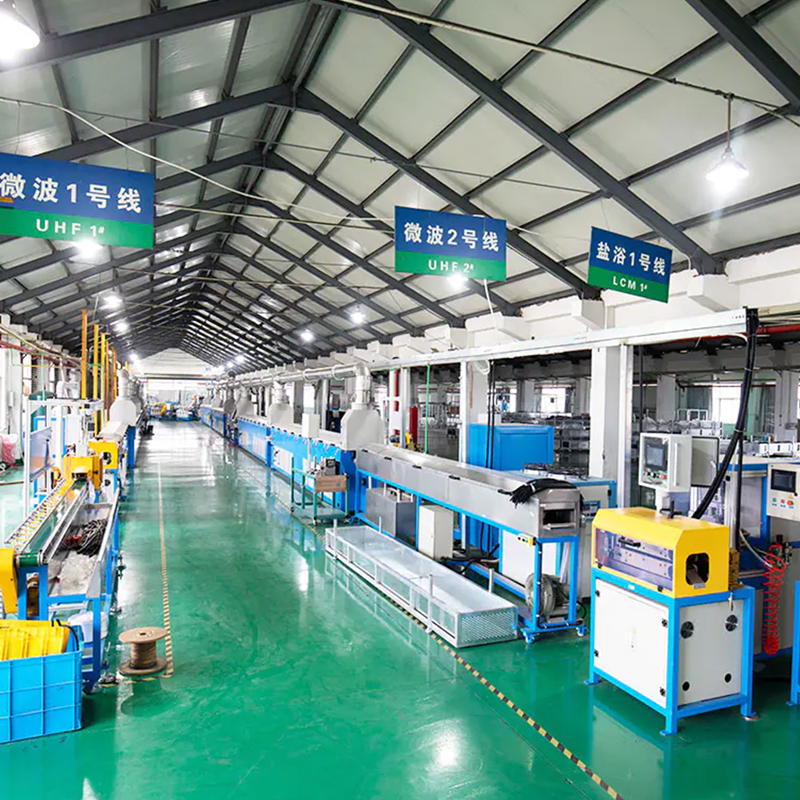
OTT RubberTech is a professional solution provider of rubber process formula, material, machinery with Mixer, Rubber Mixer, Mixing Mill, Precision Performer, Vulcanizing Press, Calender, batch-off Cooling unit, rubber Extruder, and other support plastic machines.
Features and Performance
The performance of a digital densimeter is defined by its sensor resolution and the speed of its calculation processor. High-end units can provide a density reading in less than 10 seconds with four-decimal precision.
| Technical Feature | Performance Standard |
|---|---|
| Measurement Resolution | 0.001 g/cm3 or 0.0001 g/cm3 |
| Weight Range | 0.01g to 300g (Typical) |
| Testing Method | Archimedes Buoyancy Principle |
| Display | LCD with automatic density calculation |
| Liquid Compensation | Automatic temperature/density correction |
| Data Interface | RS232 or USB for printer/PC link |
Key features include a specialized "hanging basket" design that prevents air bubbles from being trapped on the sample surface, which is the most common cause of measurement error. Modern units also feature "Porosity Mode" for testing foam or sponge rubber and "Solid Mode" for standard elastomers. The integrated software allows for the storage of standard reference densities, flashing a warning if a batch falls outside the acceptable tolerance limits.
Usage Tips and Techniques
The most critical technique for accurate density measurement is the elimination of air bubbles. When immersing the sample in the liquid, even a tiny bubble clinging to the surface will add buoyancy and result in a falsely low density reading. A quick dip in a wetting agent or surfactant before testing can help the liquid "sheet" over the rubber and prevent bubbles.
| Measurement Step | Optimization Technique |
|---|---|
| Liquid Selection | Use distilled water to avoid mineral-induced density shifts |
| Bubble Removal | Use a soft brush or wetting agent to clear bubbles |
| Sample Prep | Use a sample between 5g and 20g for best stability |
| Temperature | Record the liquid temperature for auto-compensation |
| Draft Protection | Use the wind-shield to prevent air currents from affecting the scale |
For sponge rubber or open-cell materials, the "Vacuum Saturation" technique or coating the sample in a thin layer of wax may be necessary to prevent the liquid from soaking into the pores. Operators should also ensure the hanging wire is extremely thin to minimize the effect of surface tension where the wire breaks the liquid surface. Consistent sample size and shape help in achieving high repeatability across different shifts.
Maintenance Skills
Maintenance for digital densimeters focuses on the cleanliness of the water tank and the calibration of the internal weighing sensor. The water in the tank should be changed daily, as rubber dust or oils can accumulate and change the density of the liquid. The weighing sensor is extremely delicate and should be protected from sudden impacts or excessive loads.
| Maintenance Area | Procedure | Frequency |
|---|---|---|
| Water Tank | Empty, clean, and refill with fresh distilled water | Daily |
| Calibration | Calibrate with a certified 100g weight | Weekly |
| Hanging Basket | Inspect for bends or residue buildup | Weekly |
| Leveling | Check the bubble level and adjust feet | Daily |
| Temperature Sensor | Verify against a calibrated thermometer | Monthly |
Maintenance staff should ensure the machine is placed on a heavy, vibration-isolated table. If the display is unstable, it is often due to static electricity or air drafts. Using an anti-static ionizer can help if the problem persists in dry environments. It is also important to check that the hanging basket does not touch the sides or the bottom of the water tank during the measurement, as this friction will lead to incorrect weight readings.
Application Scenarios
Densimeters are used in virtually every rubber mixing facility and laboratory. They are used for verifying the specific gravity of masterbatches, checking the density of final compounds, and identifying "unknown" rubber samples. They are a primary tool for detecting mixing errors such as missing filler or double-dosing of oil.
| Industry Sector | Typical Application |
|---|---|
| Custom Compounding | Verifying density against the customer's spec sheet |
| Footwear | Measuring the expansion ratio of EVA/Rubber foam soles |
| Tire Industry | Checking the uniformity of tread and liner compounds |
| Automotive Parts | Quality control for high-density gaskets and seals |
| Recycling | Identifying polymer types in scrap rubber sorting |
In the manufacture of foam products, the densimeter is used to control the "blowing agent" efficiency; a higher-than-expected density indicates that the material did not expand properly. For high-value elastomers like Viton or Fluorosilicone, density testing is a quick and non-destructive way to ensure the material has not been "diluted" with cheaper polymers or fillers during the mixing process.

