
 English
 русский
 Español
 عربى
عربى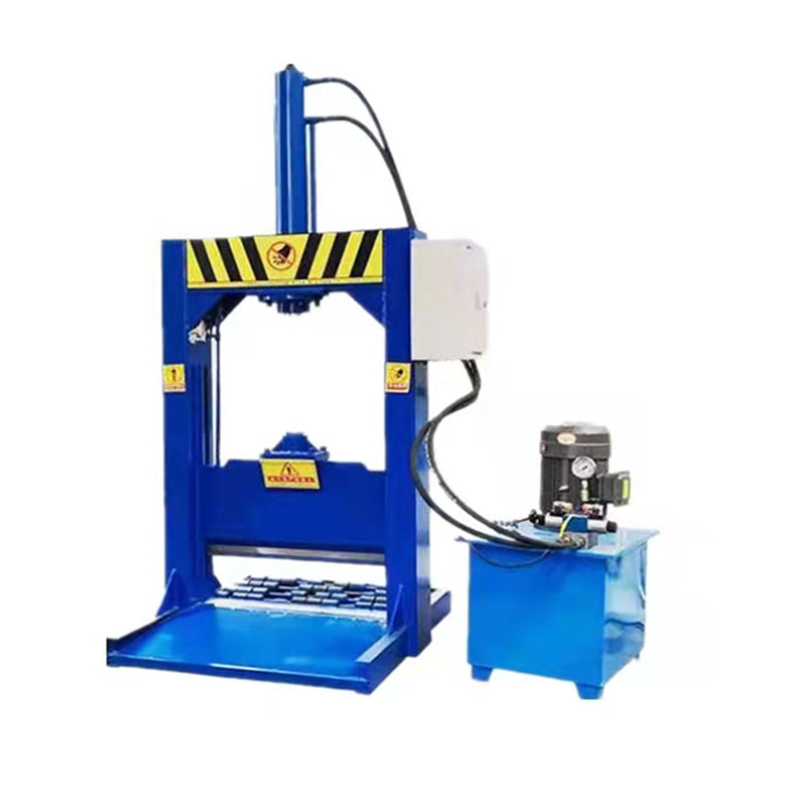
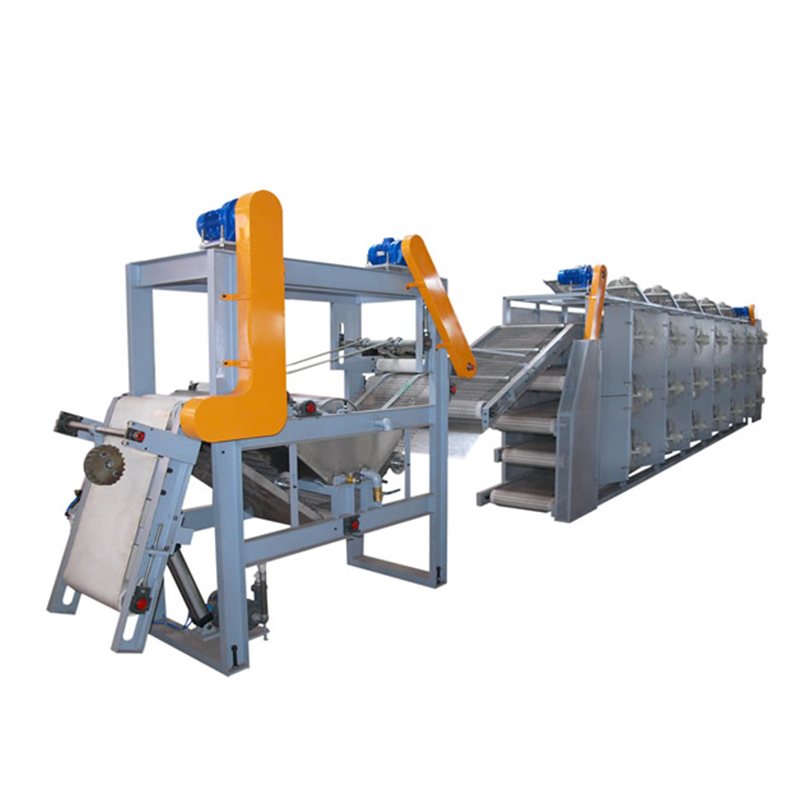
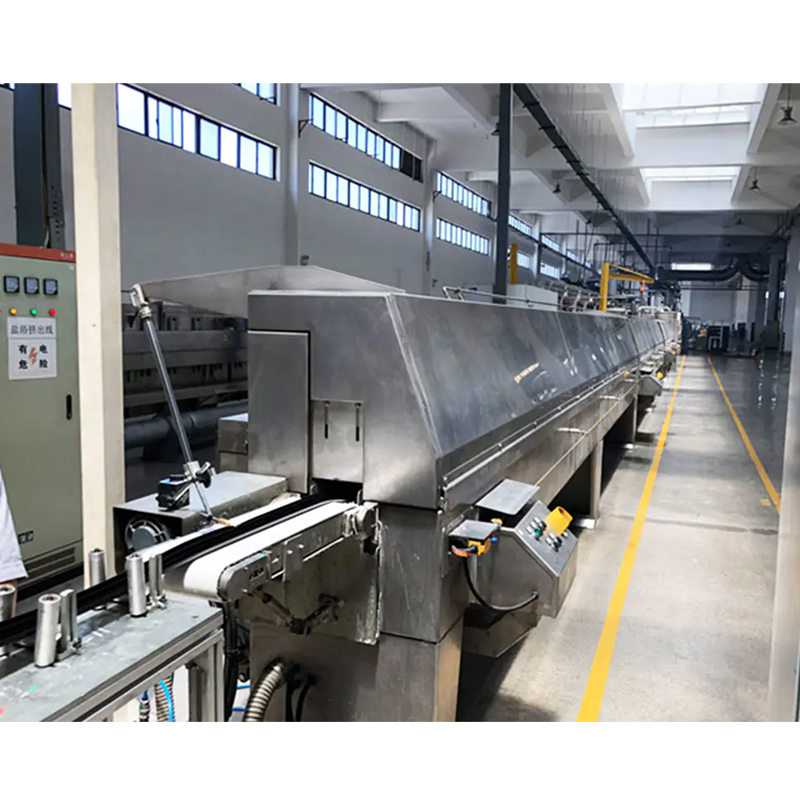
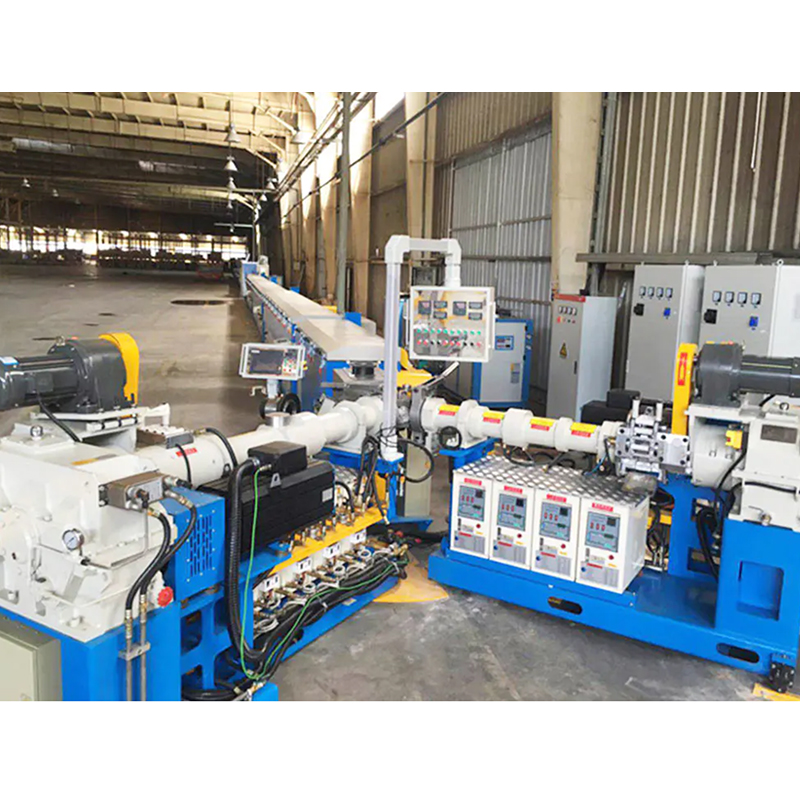
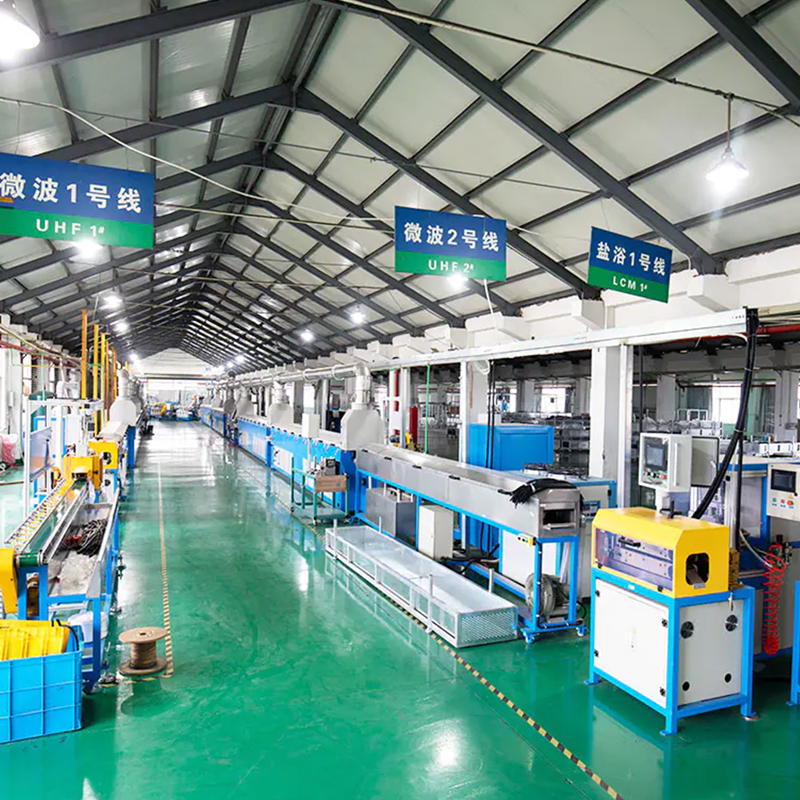
OTT RubberTech is a professional solution provider of rubber process formula, material, machinery with Mixer, Rubber Mixer, Mixing Mill, Precision Performer, Vulcanizing Press, Calender, batch-off Cooling unit, rubber Extruder, and other support plastic machines.
Features and Performance
The performance of an abrasion tester is defined by the stability of its sample holder and the precision of its rotational speed. Consistency in the abrasive paper quality is also critical for repeatable results.
| Technical Feature | Performance Standard |
|---|---|
| Drum Diameter | 150 mm (Standard) |
| Travel Distance | 40 meters (standard cycle) |
| Applied Load | 5N, 10N, or 20N options |
| Drum Speed | 40 RPM (Adjustable) |
| Sample Rotation | Standardized rotation to ensure even wear |
| Safety | Transparent guard with auto-stop function |
Key features include an automatic "Sample Rotation" mechanism, which ensures that the rubber specimen does not wear down on just one side, which would lead to an incorrect volume-loss calculation. Modern digital units feature a "Volume Loss Calculator" where the operator simply inputs the initial and final weight, and the machine provides the result based on the material's specific gravity. The use of a standardized "Reference Rubber" is mandatory to calibrate the aggressiveness of the abrasive paper before each series of tests.
Usage Tips and Techniques
To ensure accurate results, the surface of the abrasive paper must be kept clean. Dust and rubber particles can clog the paper, reducing its "bite" and resulting in a falsely low abrasion value. A key technique is to use a soft brush or a vacuum attachment to continuously remove debris during the test cycle.
| Testing Focus | Optimization Technique |
|---|---|
| Paper Calibration | Run the "Standard Reference Rubber" every 10 tests |
| Sample Preparation | Ensure the sample face is perfectly flat before the test |
| Debris Removal | Use a constant air-blast to keep the drum surface clean |
| Weight Measurement | Use a 4-decimal analytical balance for weighing |
| Temp Control | Maintain a lab temperature of 23C to prevent rubber softening |
Operators should be careful when mounting the sample to ensure it is perpendicular to the drum. If the sample is tilted, the wear will be uneven, and the data will be invalid. For materials that are extremely soft and "gummy," the Akron abrasion method may be preferred, which uses a different angle of contact. For all tests, ensure the specific gravity of the compound is verified first, as the final result is reported as volume loss in cubic millimeters (mm3).
Maintenance Skills
Maintenance for abrasion testers centers on the replacement of the abrasive paper and the lubrication of the sample carriage. The abrasive paper is a consumable item and must be replaced after a specific number of tests (usually indicated by the reference rubber's weight loss falling outside the standard range). The sample holder's motion must be smooth and free of "stuttering" to ensure a consistent wear rate.
| Maintenance Area | Procedure | Frequency |
|---|---|---|
| Abrasive Paper | Verify with reference rubber and replace if out of spec | Every 20-50 tests |
| Drive Belt | Check for tension and wear | Quarterly |
| Sample Holder | Clean and lubricate the sliding rails | Monthly |
| Drum Alignment | Verify the drum is concentric and free of wobble | Annually |
| Digital Counter | Verify the 40m travel distance against the drum rotations | Annually |
Maintenance staff should also inspect the "Weight Calibration" of the sample arm. If the 10N weight is not applying exactly 10N of force (due to friction or misalignment), the results will be incomparable to other labs. Keeping the machine in a dust-free environment is essential, as fine rubber dust can get into the electronics and the drive motor. Regularly wiping down the drum surface with a non-residue solvent prevents the buildup of "tack" from synthetic rubber compounds.
Application Scenarios
Abrasion testers are found in the labs of tire manufacturers, shoe sole producers, and conveyor belt suppliers. They are the primary tool for evaluating "Wear Life" and comparing the effectiveness of different reinforcing fillers like Carbon Black or Silica.
| Industry Sector | Typical Abrasion Test |
|---|---|
| Tire Industry | Evaluating tread compounds for mileage and durability |
| Footwear | Testing the durability of work-boot and running shoe soles |
| Conveyor Belts | Checking the wear resistance of top-covers for mining belts |
| Floor Mats | Ensuring long-term surface integrity for industrial mats |
| Solid Tires | Testing the life-cycle of forklift and material handling tires |
In the footwear industry, passing a DIN abrasion test of less than 150mm3 is often a requirement for safety-certified work boots. For tire manufacturers, abrasion testing is a critical part of the R&D process; it allows them to predict how a new compound will perform on the road without having to run expensive and time-consuming fleet tests. The Akron method is specifically favored for testing the "Side-Slip" wear found in tire applications.

