
 English
 русский
 Español
 عربى
عربى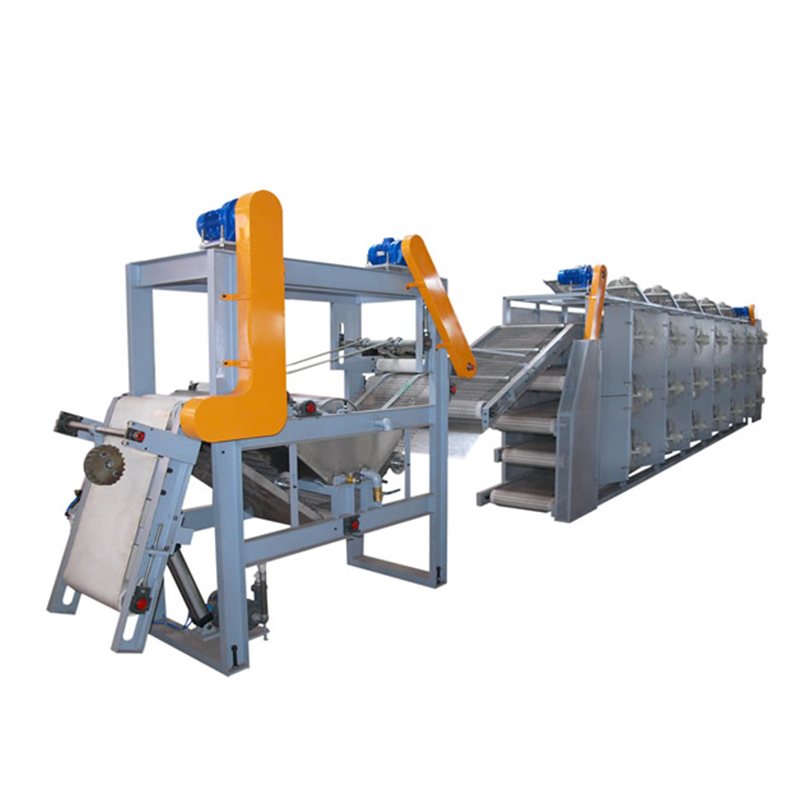
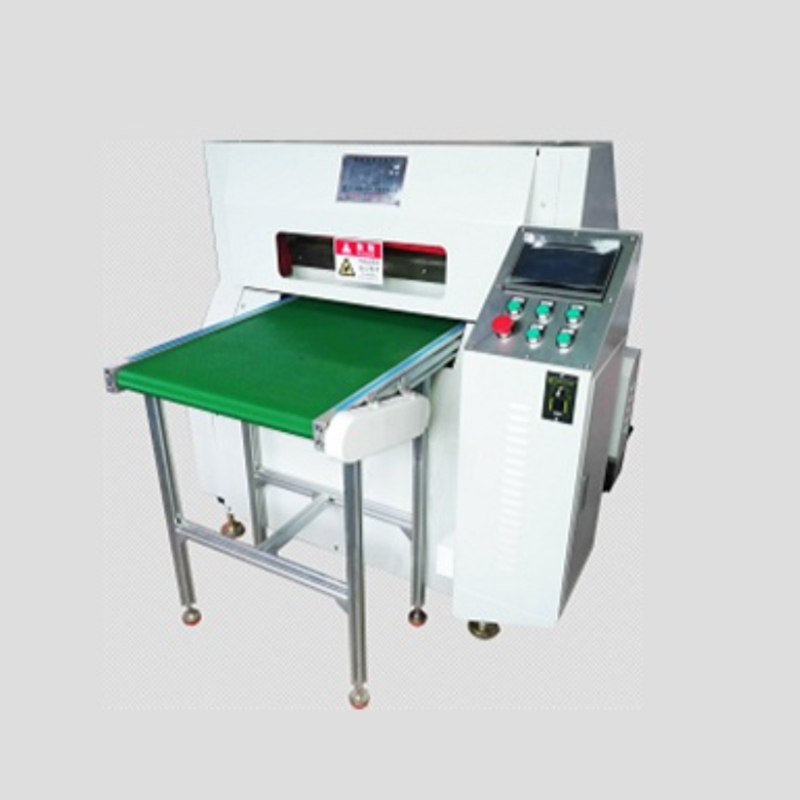
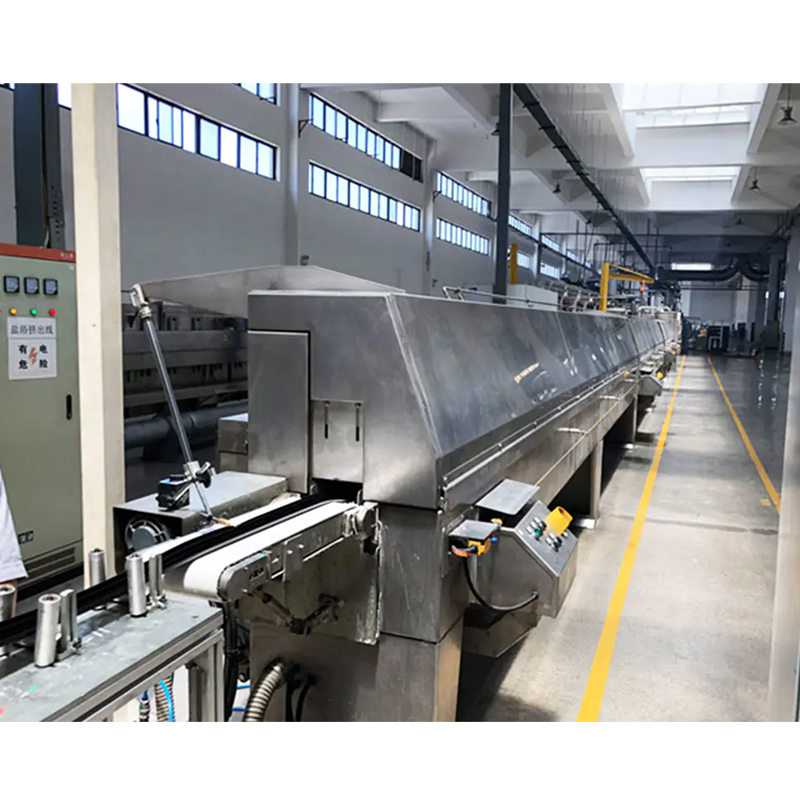
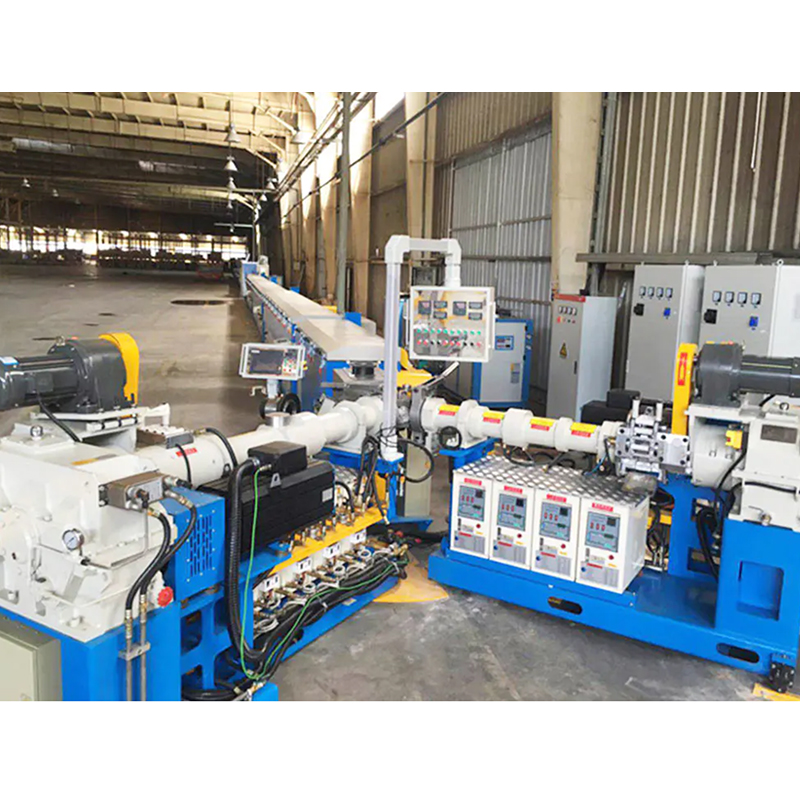
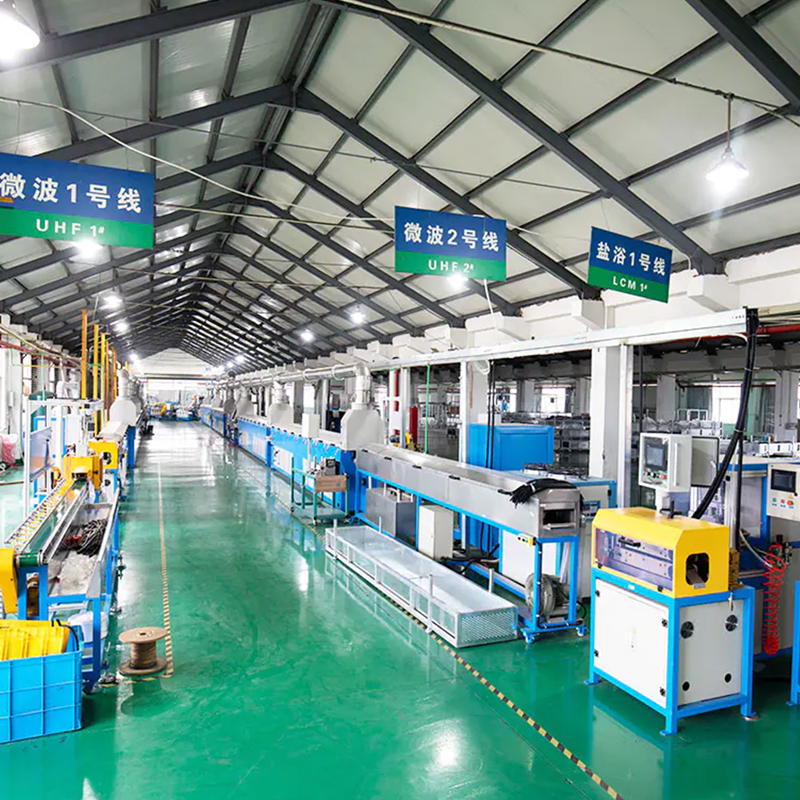
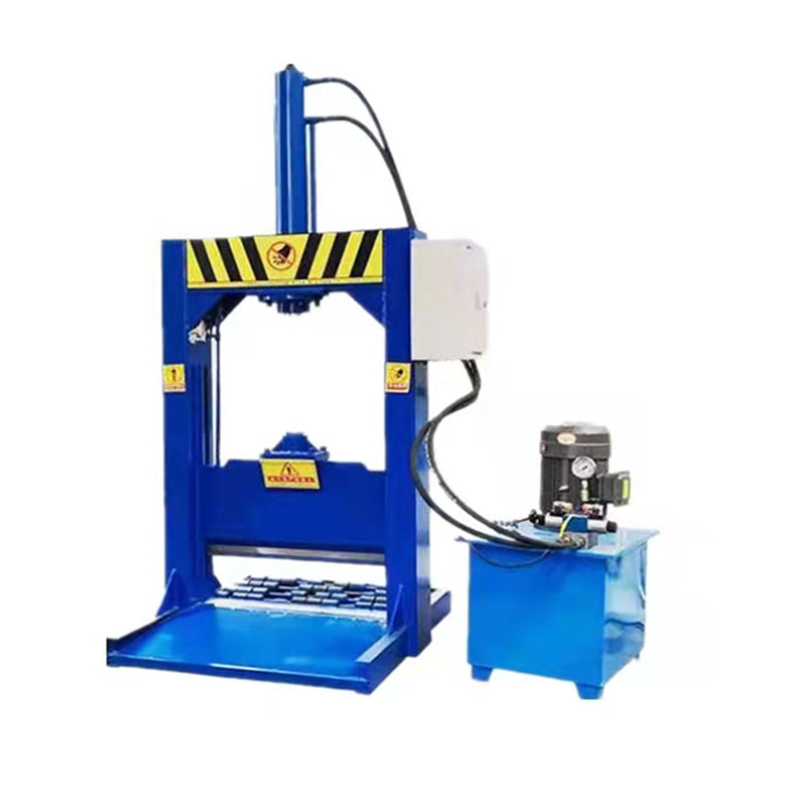
OTT RubberTech is a professional solution provider of rubber process formula, material, machinery with Mixer, Rubber Mixer, Mixing Mill, Precision Performer, Vulcanizing Press, Calender, batch-off Cooling unit, rubber Extruder, and other support plastic machines.
Features and Performance
The performance of a batch-off line is measured by its "Cooling Gradient"—how quickly it can drop the rubber temperature to within 5C of ambient levels. Modern lines utilize a "Festoon" design to maximize surface area exposure.
| Technical Feature | Performance Standard |
|---|---|
| Cooling Method | Impingement air fans and water spray |
| Sheet Width | Range from 600mm to 1200mm |
| Throughput Speed | Up to 30 meters per minute |
| Festoon Capacity | Variable loop length for dwell time control |
| Anti-Tack Tank | Stainless steel with automatic concentration control |
| Stacking Unit | Automatic wig-wag or palletizing system |
Key features include a specialized "Imprinting Roller" that can emboss the batch number or compound code directly onto the rubber sheet for traceability. The use of stainless steel for the anti-tack tank and dipping station prevents rust contamination. High-efficiency centrifugal fans ensure that the rubber is not only cool but also dry before it is stacked, as trapped moisture can cause "porosity" defects during the final molding process.
Usage Tips and Techniques
The concentration of the anti-tack solution must be monitored closely; too much can lead to "inter-ply" adhesion issues during later assembly, while too little will cause the sheets to fuse together on the pallet. A key technique for processing "sticky" synthetic rubbers is to increase the dwell time in the anti-tack dip tank and ensure the air fans are set to maximum velocity.
| Processing Phase | Optimization Technique |
|---|---|
| Anti-Tack Prep | Use a refractometer to verify soap concentration daily |
| Loading | Ensure the "pickup" conveyor is synchronized with the mill speed |
| Loop Length | Adjust the festoon loops to prevent the sheet from touching the floor |
| Drying | Position the final fans to hit the rubber at a 45-degree angle |
| Stacking | Use a "Wig-Wag" folder for easier removal of material later |
Operators should ensure that the "Slitting Knives" at the end of the line are sharp and properly aligned to create clean, uniform strips if the material is being prepared for an extruder. For compounds that are particularly heat-sensitive, using chilled water in the dipping tank can significantly accelerate the cooling process. It is also a best practice to keep the cooling area well-ventilated to remove the steam and heat generated by the hot rubber.
Maintenance Skills
Maintenance for batch-off lines focuses on the conveyor chains and the cleanliness of the anti-tack system. The nozzles in the dipping and spraying stations can become clogged with dried soap or stearate, leading to uneven coating. The conveyor chains operate in a warm, moist environment and require specialized water-resistant lubricants to prevent rust and stretching.
| Maintenance Area | Procedure | Frequency |
|---|---|---|
| Spray Nozzles | Remove and clean with warm water/solvent | Weekly |
| Festoon Chains | Inspect for wear and apply water-resistant grease | Monthly |
| Fan Motors | Check for vibration and clean intake filters | Monthly |
| Anti-Tack Tank | Drain, clean sludge, and refill with fresh solution | Monthly |
| Slitting Knives | Hone the blades and check the pneumatic cylinders | Weekly |
Maintenance staff should also verify the "Tension Control" of the line. If the line pulls the rubber too hard, it will stretch the hot sheet, causing it to shrink later and leading to inconsistent weight-per-meter. Regularly cleaning the "festoon bars" is also important; if they accumulate a buildup of anti-tack, they can cause the rubber sheet to slip or track incorrectly through the cooling tunnel.
Application Scenarios
Batch-off lines are found in every large-scale rubber mixing room, typically positioned between the final sheet-off mill and the storage area. They are used by tire plants, custom compounders, and high-volume manufacturers of molded goods.
| Industry Sector | Typical Batch-Off Use |
|---|---|
| Tire Production | Cooling tread and sidewall masterbatches |
| Custom Compounding | Preparing sheets for shipment to outside molders |
| Conveyor Belts | Cooling thick rubber covers before calendering |
| Automotive Parts | Preparing "kits" of material for injection molding |
| Shoe Soling | Cooling colored rubber sheets for die-cutting |
In the tire industry, these lines are often hundreds of feet long to ensure the massive volume of rubber is cooled consistently. For custom compounders, the automatic stacking unit is the most critical feature, as it allows for the neat palletization of material that is ready for immediate shipping to customers. The efficiency of the batch-off line directly dictates the "cycle time" of the entire mixing room.

