
 English
 русский
 Español
 عربى
عربى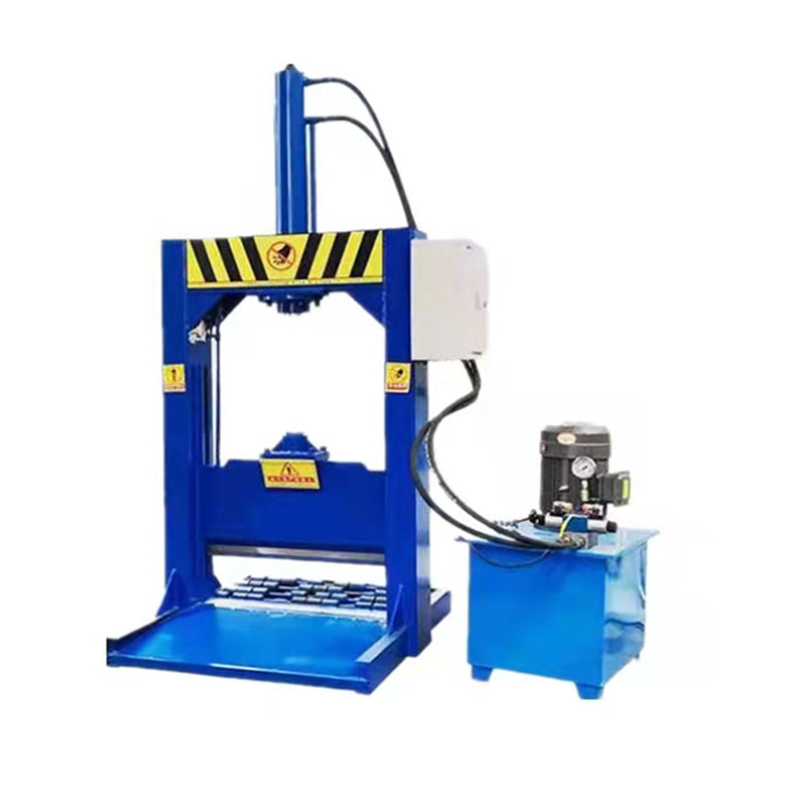
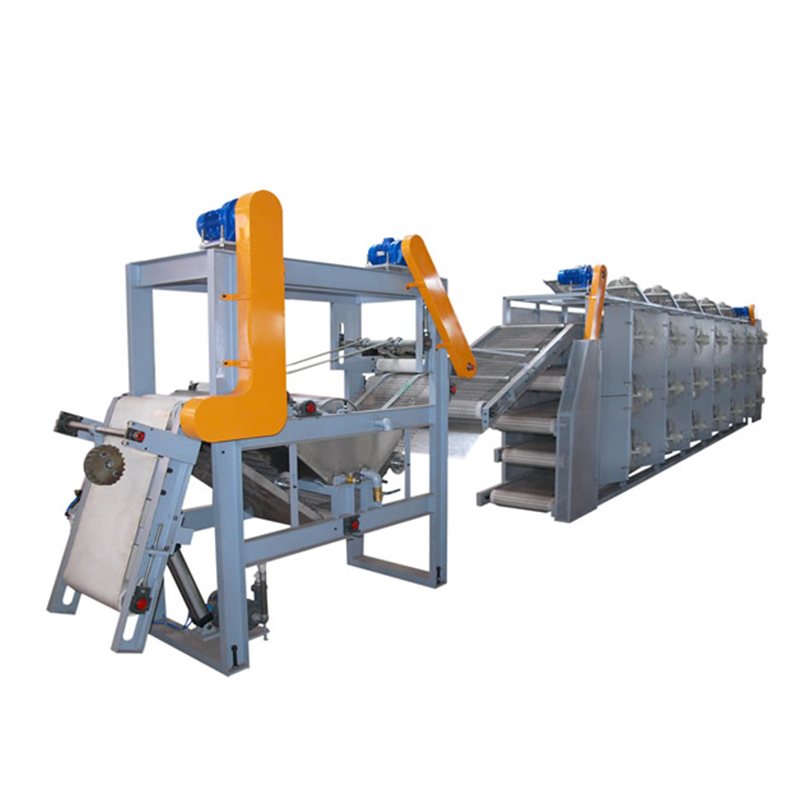
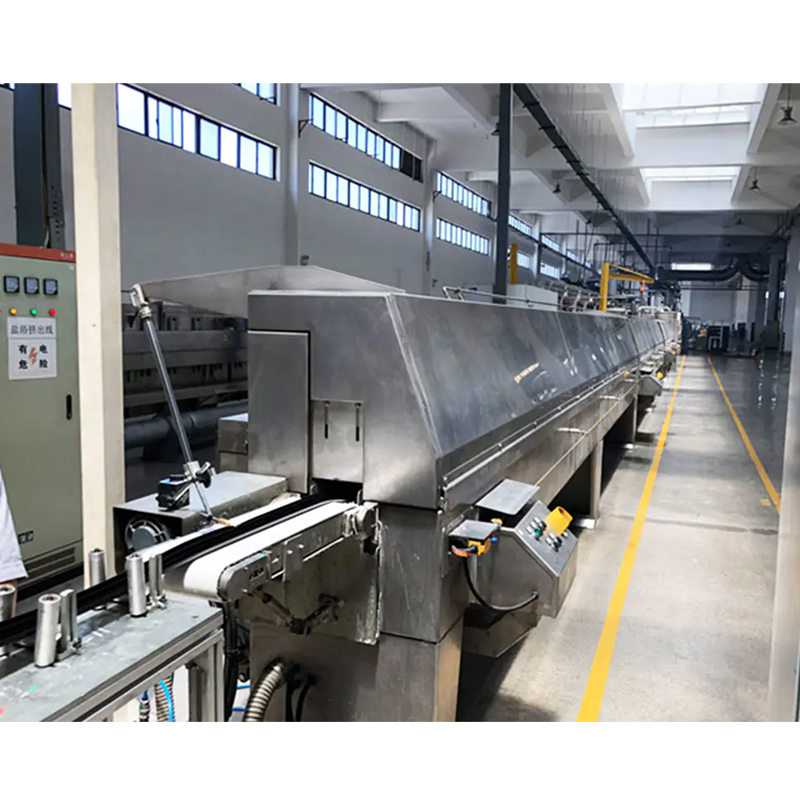
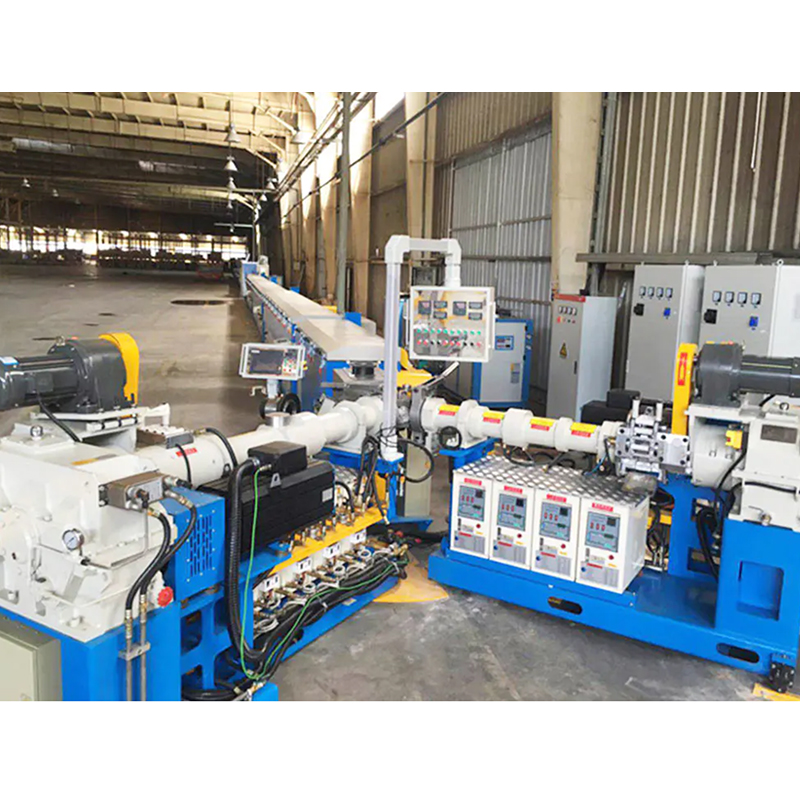
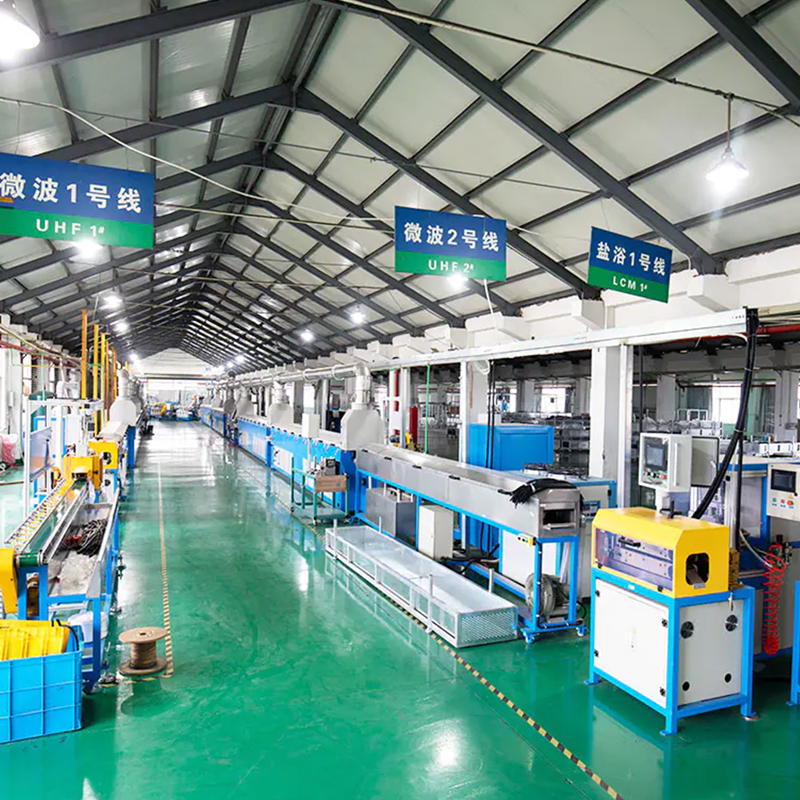
OTT RubberTech is a professional solution provider of rubber process formula, material, machinery with Mixer, Rubber Mixer, Mixing Mill, Precision Performer, Vulcanizing Press, Calender, batch-off Cooling unit, rubber Extruder, and other support plastic machines.
Features and Performance
The performance of a sample cutter is defined by its cutting force and the precision of the die alignment. For high-hardness or fabric-reinforced rubber, a hydraulic or pneumatic press is required to ensure a clean, one-stroke cut.
| Technical Feature | Performance Standard |
|---|---|
| Drive Mechanism | Manual Lever, Pneumatic, or Hydraulic |
| Cutting Force | Range from 500kg to 5 tons |
| Die Compatibility | Standard 13mm shank or plate-mount |
| Sample Shapes | Dumbbells, Discs, Rectangles, Crescent (Tear) |
| Base Plate | Nylon or PE-HD sacrificial cutting board |
| Safety | Finger guards and two-hand operation (power units) |
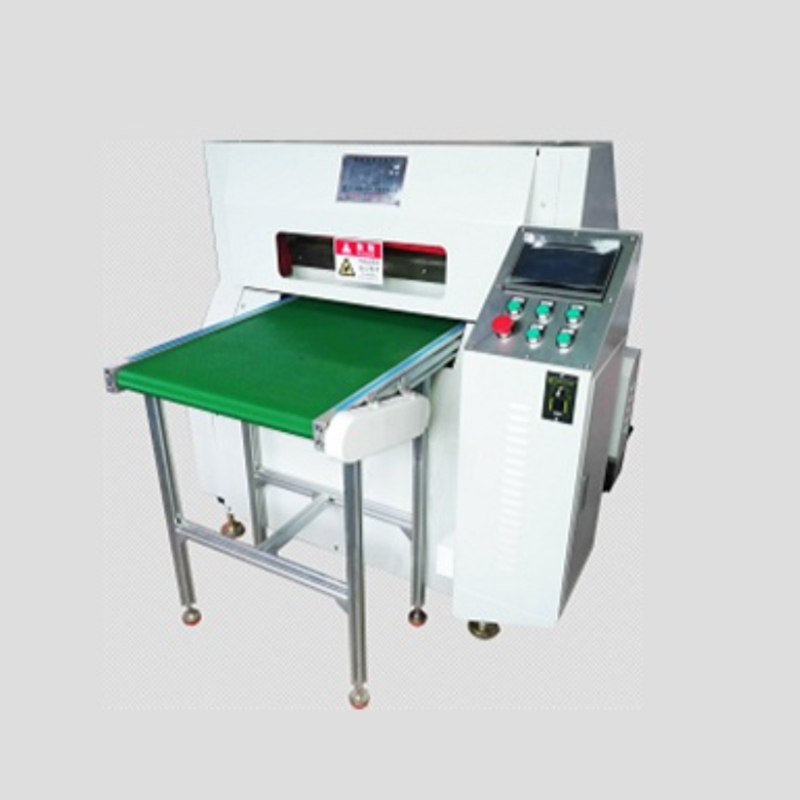
Key features include a "quick-change" die holder that allows the lab technician to switch between different test shapes in seconds. The heavy-duty cast iron or steel frame ensures that the press does not flex during the cut, which would result in a non-vertical edge. For high-volume labs, automatic "multi-die" cutters can produce 5 to 10 samples in a single stroke, significantly increasing efficiency and ensuring that all samples in a batch are identical.
Usage Tips and Techniques
To achieve a perfect edge, the cutting die should be sharp enough to slice through the rubber with minimal pressure. A key technique for thick or sticky rubber is to lightly moisten the die with a mixture of water and a drop of detergent; this reduces friction and prevents the rubber from "climbing" or distorting during the cut.
| Cutting Task | Optimization Technique |
|---|---|
| Die Selection | Use ASTM D412 Die C for standard tensile testing |
| Grain Direction | Mark the grain direction on the sheet and cut accordingly |
| Cutting Surface | Rotate the nylon pad regularly to avoid deep grooves |
| Stroke Control | Adjust the press height so the die just grazes the pad |
| Safety | Keep fingers away from the die edge even when the press is up |
When cutting samples from fabric-reinforced rubber (like conveyor belts), a hydraulic press is mandatory to cleanly shear through the fibers. For very soft or thin sheets, placing a piece of paper on top of the rubber before cutting can help produce a cleaner edge by preventing the rubber from stretching. It is also important to label each sample immediately after cutting, especially when testing multiple batches, to ensure data integrity.
Maintenance Skills
Maintenance for sample cutters centers on the sharpness of the dies and the condition of the cutting pad. A dull die will "crush" the rubber before it cuts, leading to rounded edges and inaccurate thickness measurements. Dies should be professionally sharpened or replaced as soon as they require excessive force to cut. The cutting pad is a sacrificial item and must be replaced when it becomes too scarred, as deep grooves will prevent the die from making a clean, continuous cut.
| Maintenance Area | Procedure | Frequency |
|---|---|---|
| Cutting Dies | Inspect edge for nicks and check sharpness | Weekly |
| Nylon Pad | Flip, rotate, or resurface the cutting pad | Monthly |
| Press Guides | Clean and lubricate with light machine oil | Monthly |
| Pneumatic Seals | Check for air leaks and check regulator settings | Weekly |
| Die Shank | Verify the mounting bolt is tight and centered | Daily |
Maintenance staff should also verify the parallelism of the press head. If the head is not level, one side of the die will hit the pad before the other, resulting in uneven cuts and increased wear on the die. For hydraulic units, the oil level and clarity should be checked annually. Keeping the dies in a protective, oiled case when not in use prevents corrosion, which is the number one cause of dullness in a laboratory environment.
Application Scenarios
Sample cutters are found in every rubber testing laboratory, from raw material suppliers to finished part manufacturers. They are used to prepare specimens for tensile, elongation, tear, compression set, and hardness testing. They are the essential link between the vulcanized sheet and the final test report.
| Industry Sector | Typical Sample Cut |
|---|---|
| Quality Control | Tensile dumbbells for batch-release testing |
| R&D Labs | Small discs for rheometer or DSC analysis |
| Tire Industry | Complex specimens for abrasion and fatigue tests |
| Gasket Mfrs | Circular samples for compression and recovery tests |
| Material Research | Tear-test samples (crescent or trouser shapes) |
In the manufacture of critical automotive parts, the sample cutter ensures that every batch is tested using specimens of exact dimensions, making the data comparable over months of production. For manufacturers of specialized high-temperature seals (like FKM or Kalrez), the cutter allows them to produce perfect samples from very small and expensive sheets of material, minimizing waste. Their simplicity and reliability make them one of the most used pieces of equipment in the rubber lab.

