
 English
 русский
 Español
 عربى
عربى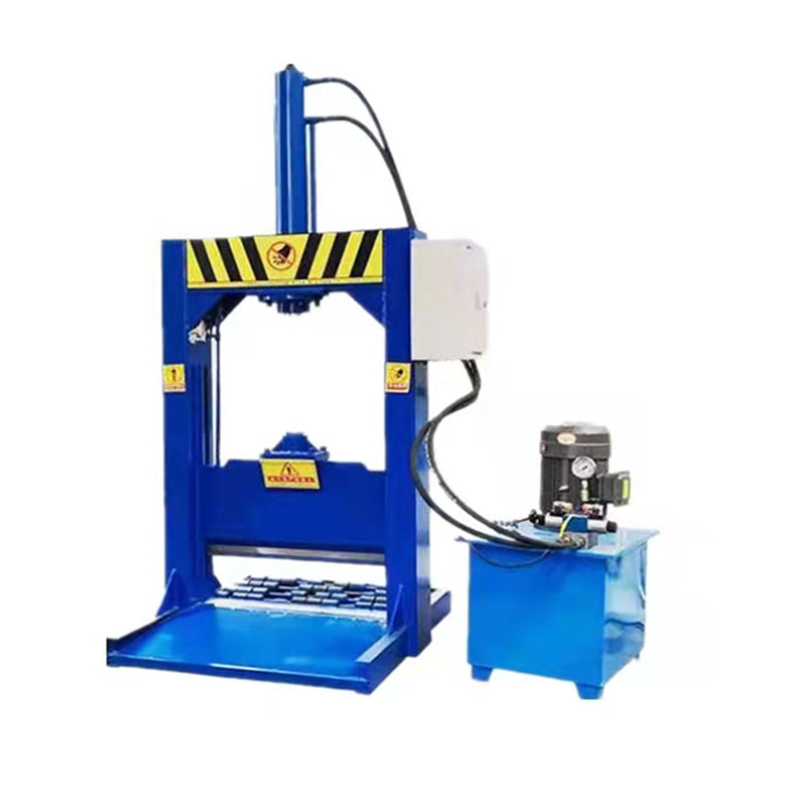
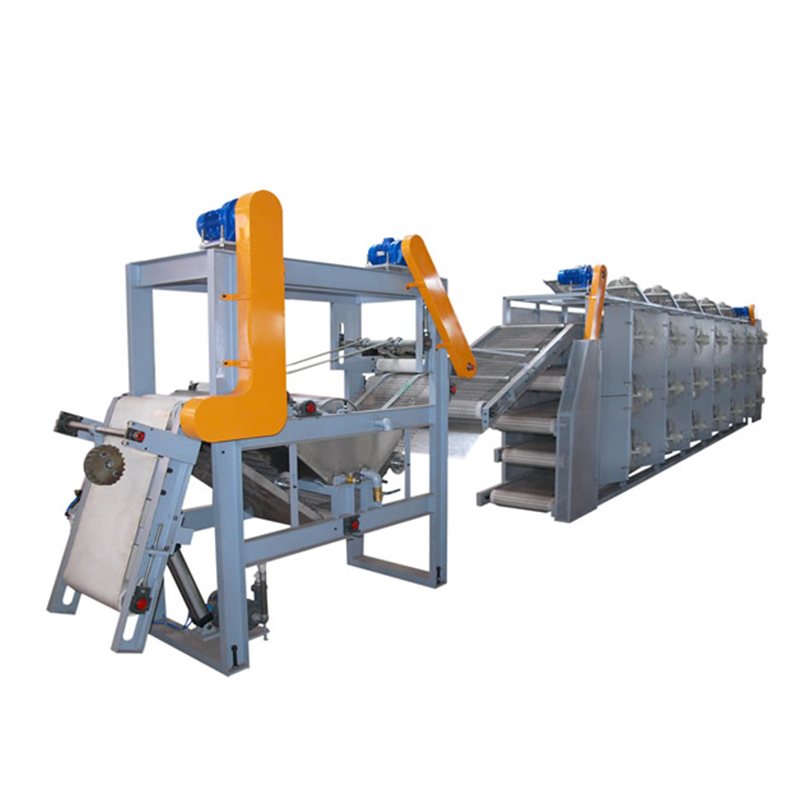
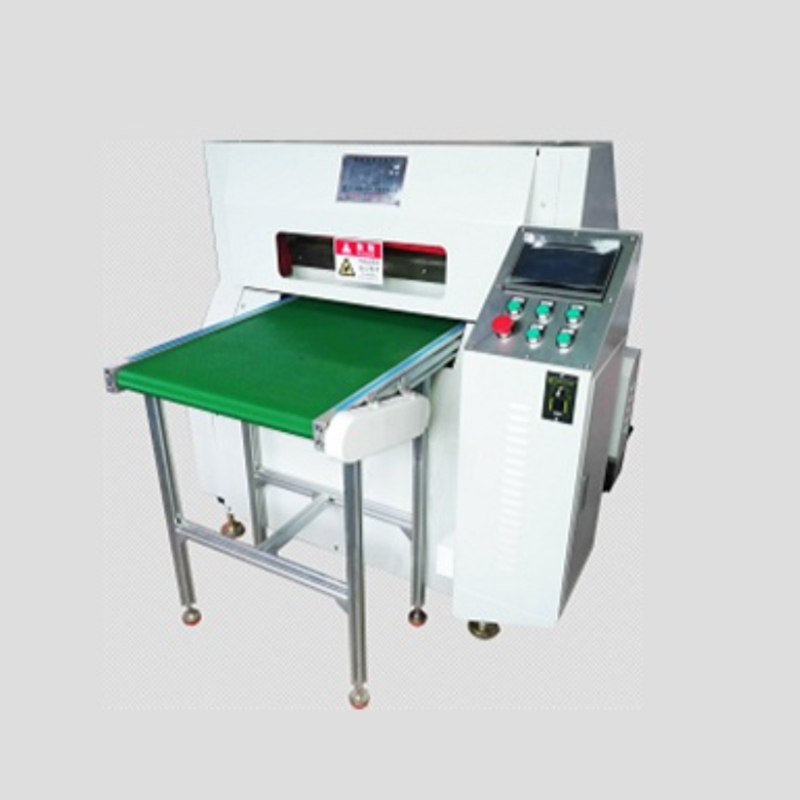
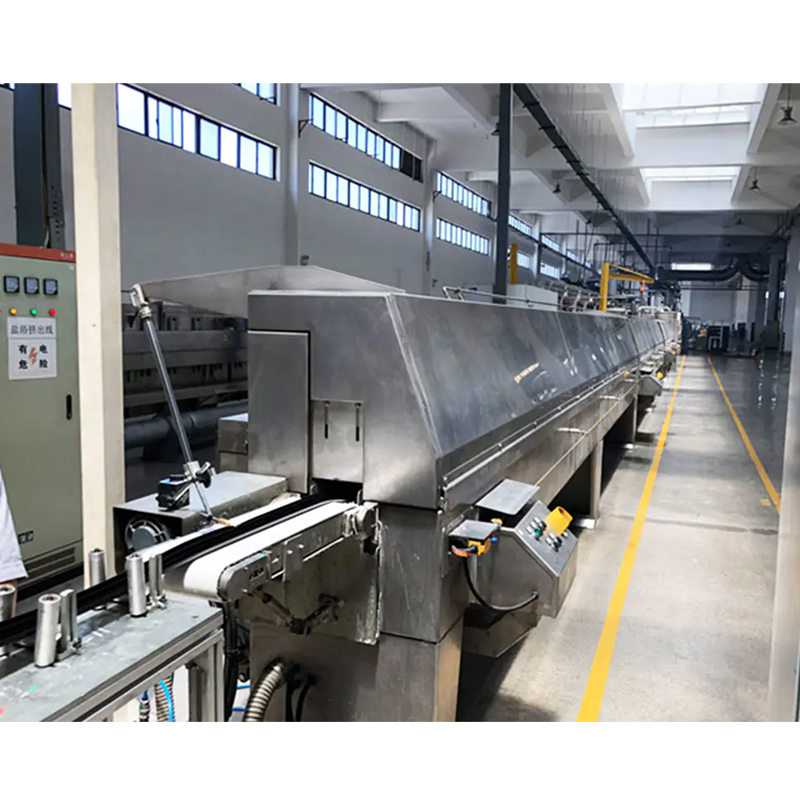
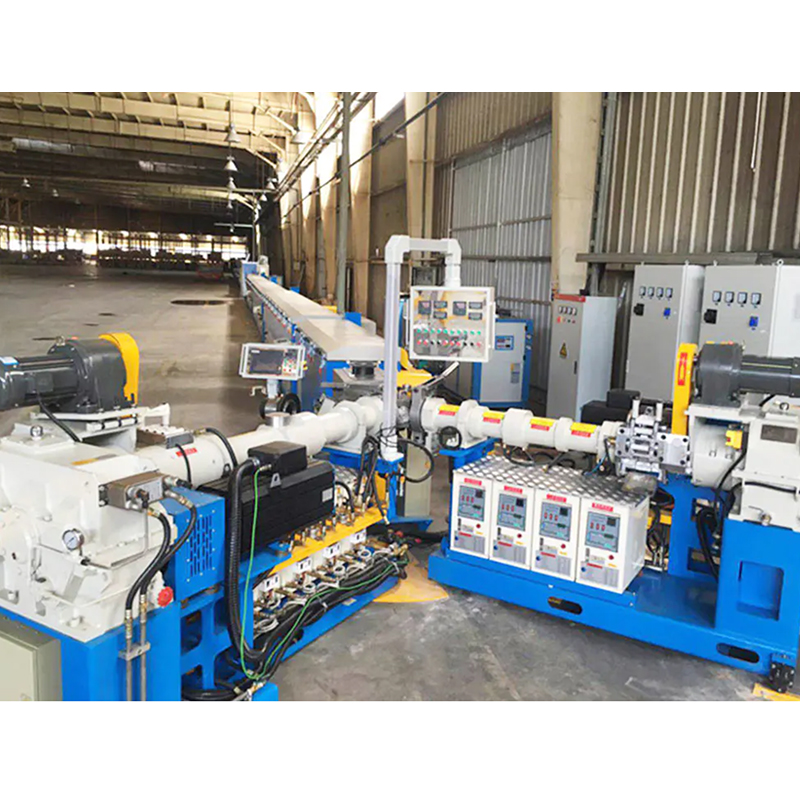
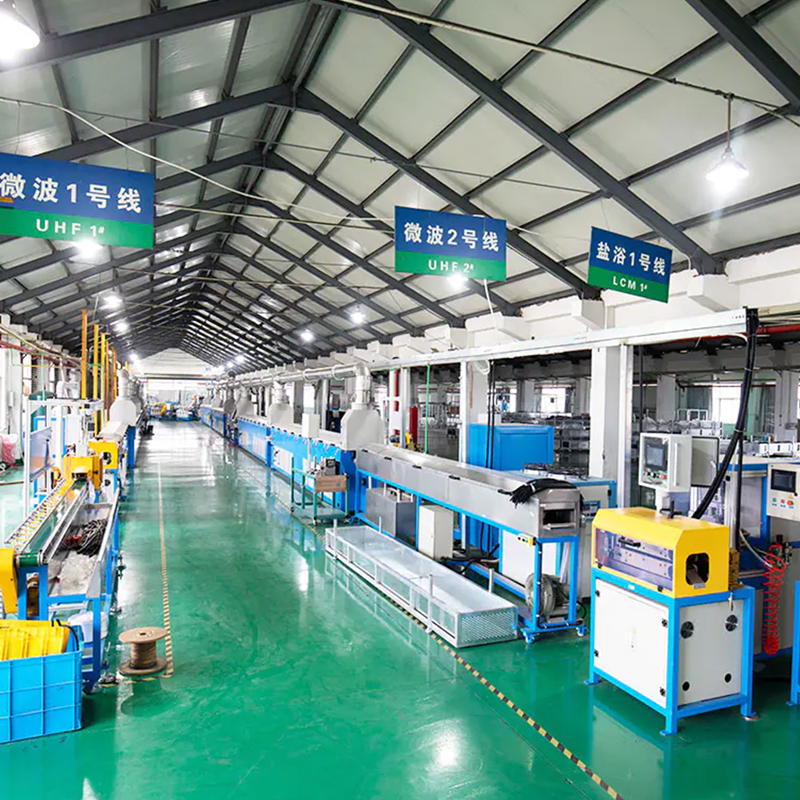
OTT RubberTech is a professional solution provider of rubber process formula, material, machinery with Mixer, Rubber Mixer, Mixing Mill, Precision Performer, Vulcanizing Press, Calender, batch-off Cooling unit, rubber Extruder, and other support plastic machines.
Features and Performance
The performance of a bale cutter is defined by its cutting force and the durability of its hydraulic system. Premium cutters feature chrome-plated cylinders and high-strength alloy blades that maintain a sharp edge even after thousands of cycles.
| Feature | Technical Specification |
|---|---|
| Cutting Force | Range from 10 tons to 50 tons |
| Blade Material | High-carbon tool steel or 9CrSi |
| Hydraulic Power | Integrated unit with pressure relief valves |
| Cycle Time | Fast approach and return speeds (8-15 seconds) |
| Safety Guards | Dual-hand operation and protective fencing |
| Feeding Style | Manual or motorized roller conveyor |
Key performance benefits include a clean cut that prevents rubber fragmentation, which reduces material loss and keeps the workspace clean. Modern systems also include "smart" hydraulic controls that automatically adjust the cutting speed based on the resistance of the rubber, preventing motor overload when slicing particularly tough grades of synthetic elastomer or high-density natural rubber.
Usage Tips and Techniques
To optimize the cutting process, the rubber bale should be centered directly under the blade to avoid uneven stress on the hydraulic ram and frame. For frozen or extremely hard rubber, pre-warming the bales in a heated room for a few hours can significantly reduce the force required and extend the life of the cutting blade.
| Operation Focus | Recommended Technique |
|---|---|
| Bale Positioning | Align center of mass with the blade stroke |
| Blade Lubrication | Use a non-silicone lubricant for easier slicing |
| Safety Protocol | Always use the two-button start to keep hands clear |
| Feed Management | Cut bales into strips that match the mixer intake width |
| Blade Depth | Adjust limit switch so blade just touches the nylon pad |
Operators should monitor the hydraulic oil temperature during continuous shifts; if the oil becomes too hot, the cutting force may drop. Using a nylon or specialized plastic cutting pad at the base of the machine is a vital technique to protect the blade edge from making contact with the steel frame. Rotating this pad regularly ensures a flat cutting surface and prevents deep grooves that can trap rubber residue.
Maintenance Skills
Maintenance for bale cutters is focused on blade sharpness and hydraulic system integrity. A dull blade requires significantly more force, which puts unnecessary strain on the seals and pump. The hydraulic oil should be checked for clarity and replaced annually to prevent the buildup of sludge that can damage the precision valves.
| Component | Maintenance Task | Frequency |
|---|---|---|
| Cutting Blade | Sharpen or replace based on edge condition | Monthly |
| Hydraulic Seals | Check for weeping or leaks at the cylinder | Weekly |
| Base Pad | Rotate or flip to ensure a flat surface | Monthly |
| Lubrication | Grease the sliding guides of the blade holder | Weekly |
| Hydraulic Filter | Clean or replace the intake and return filters | Quarterly |
Maintenance staff should develop the skill of inspecting the blade for micro-cracks, especially after cutting very hard materials. The mounting bolts for the blade and the hydraulic cylinder should be checked for tightness to prevent vibration. Additionally, the safety light curtains and emergency stop buttons must be verified at the start of every shift, as the high-force nature of this equipment makes safety systems critical.
Application Scenarios
Bale cutting solutions are found at the entry point of rubber production lines in tire factories, footwear manufacturing, and custom compounding facilities. They are necessary for any operation that receives raw rubber in standard 33.3 kg or 35 kg international bales. The machines can also be used for cutting recycled rubber slabs or large sections of scrap for re-processing.
| Industry Sector | Usage Context |
|---|---|
| Tire Plants | Initial breakdown of natural rubber and SBR bales |
| Conveyor Belting | Cutting large slabs for heavy-duty compounding |
| Custom Compounding | Slicing different grades for small-batch formulation |
| Footwear | Preparing material for outsoles and midsoles |
| Rubber Recycling | Processing large scrap pieces into manageable chunks |
In high-volume tire production, bale cutters are often integrated with automated conveyor systems and electronic scales to provide a continuous feed of material to the internal mixer. In smaller custom shops, a manual vertical cutter provides the flexibility to cut exactly the amount needed for a specific recipe, reducing waste and improving inventory control over expensive specialty elastomers like Viton or Silicone.

