
 English
 русский
 Español
 عربى
عربى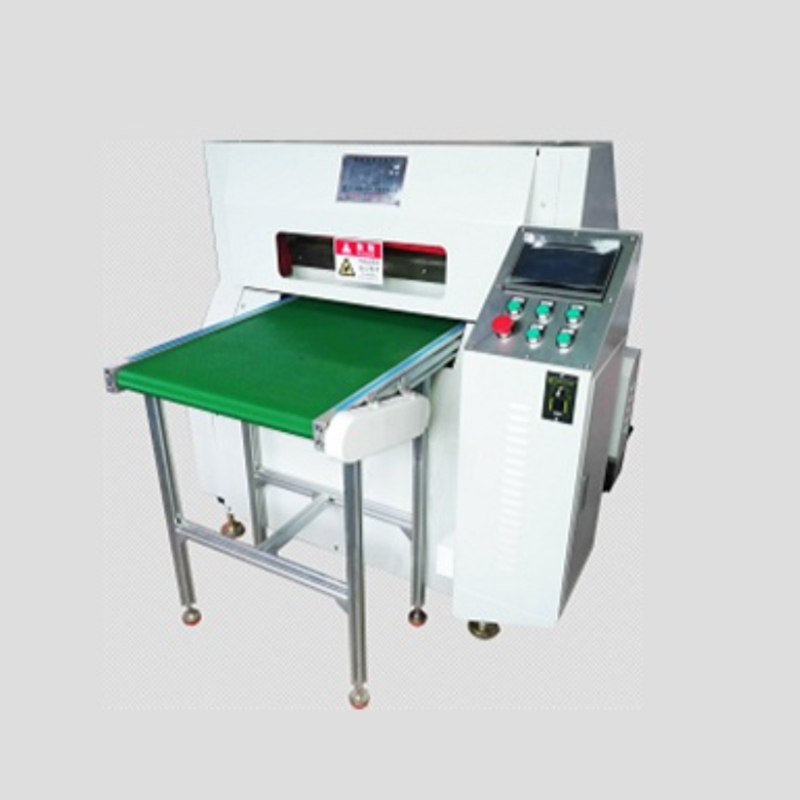
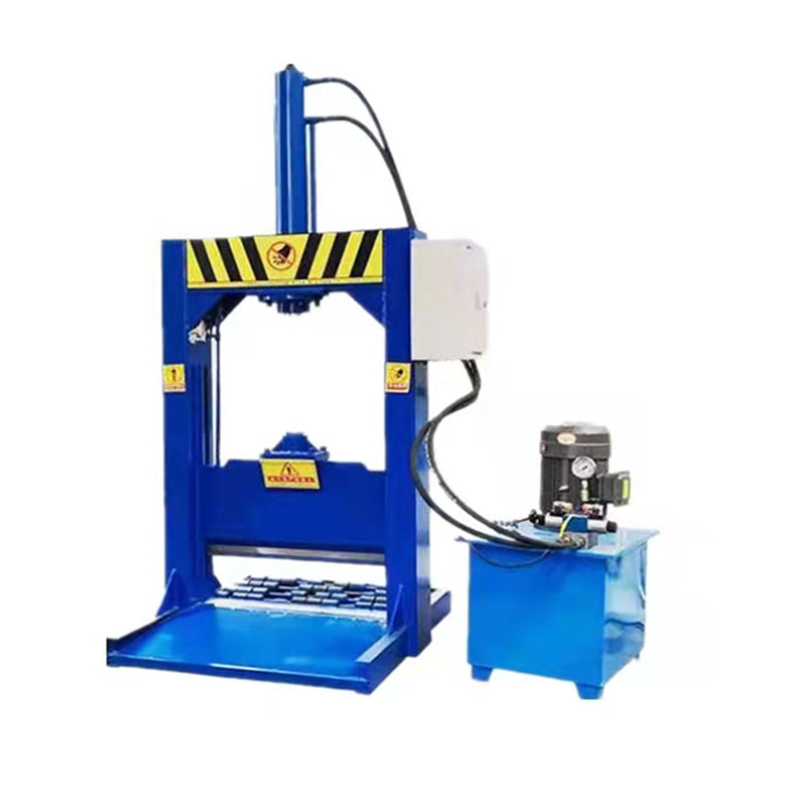
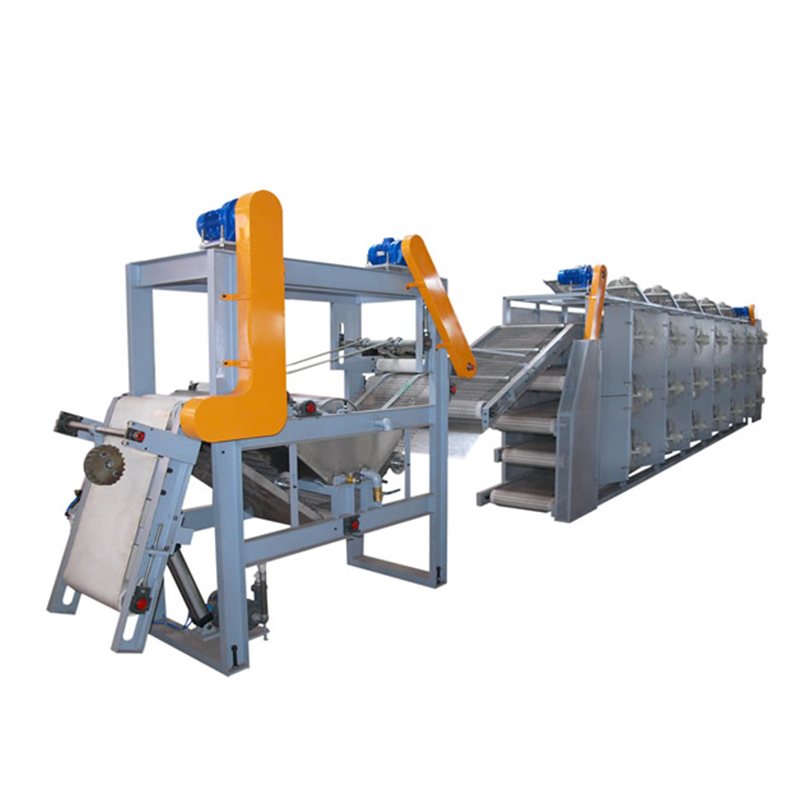
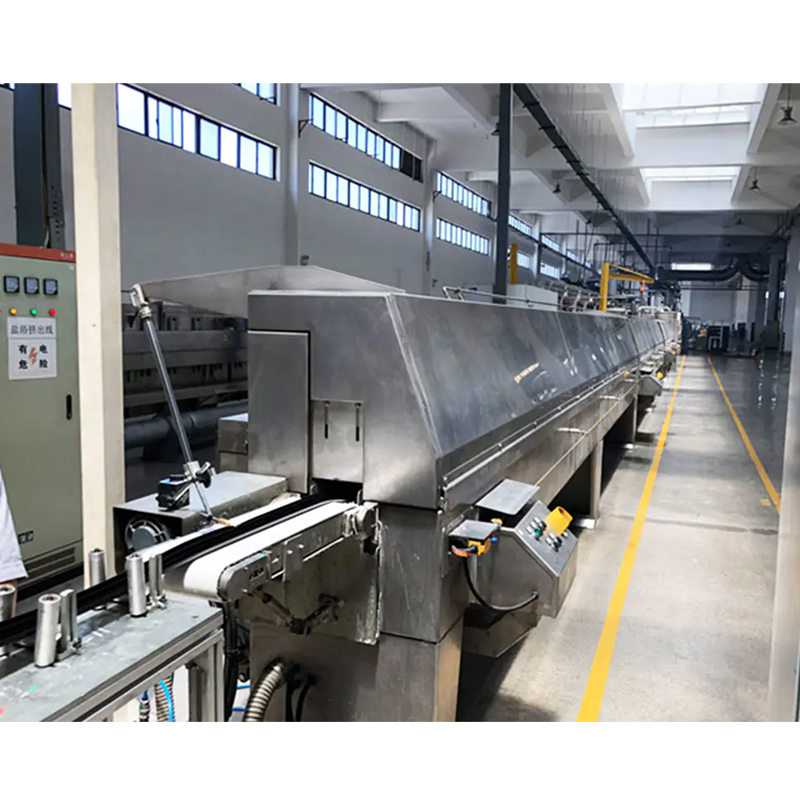
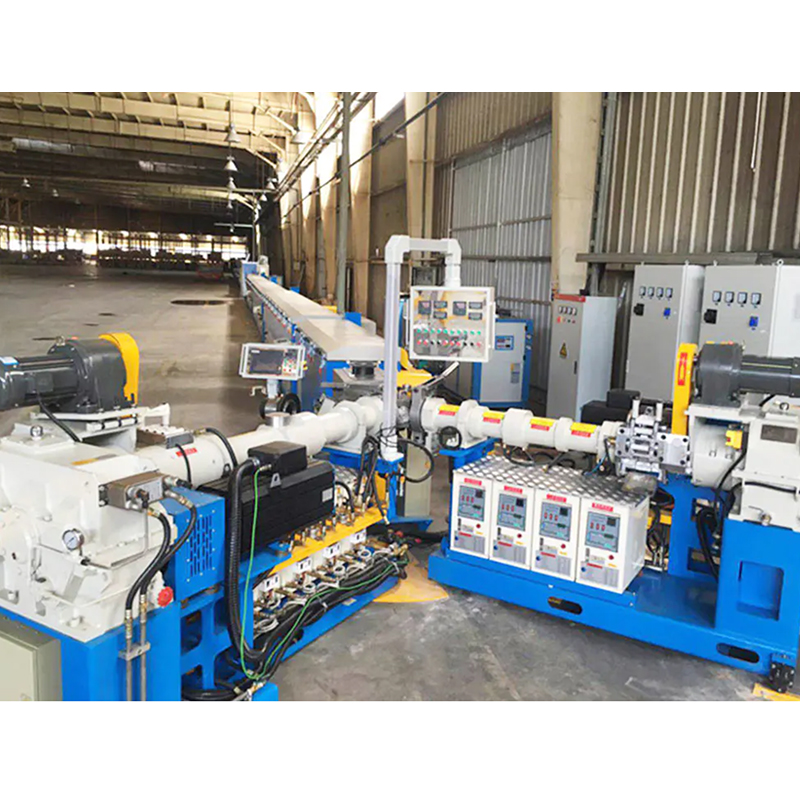
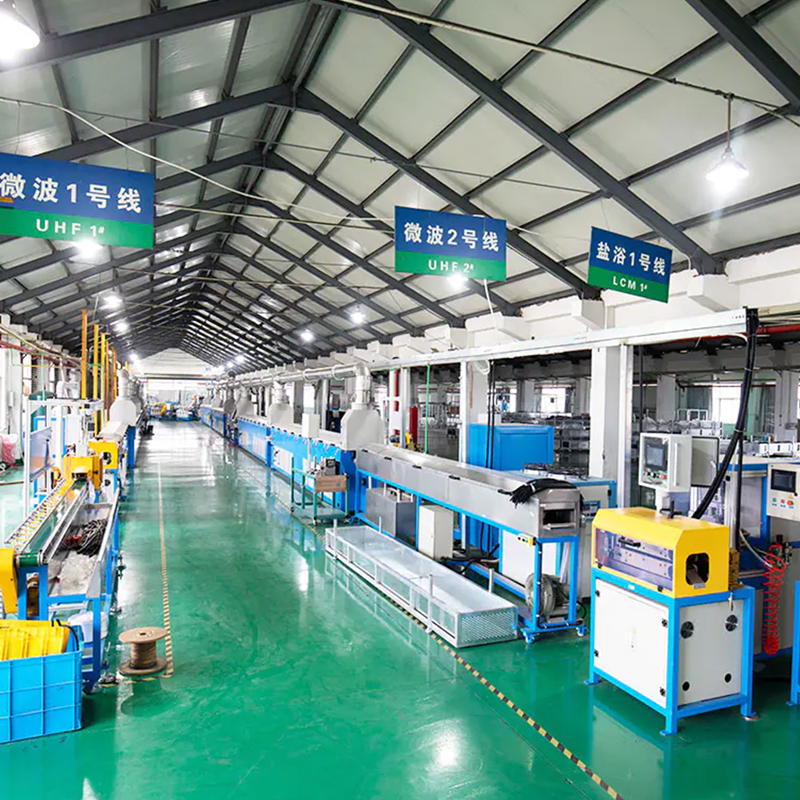
OTT RubberTech is a professional solution provider of rubber process formula, material, machinery with Mixer, Rubber Mixer, Mixing Mill, Precision Performer, Vulcanizing Press, Calender, batch-off Cooling unit, rubber Extruder, and other support plastic machines.
Features and Performance
The performance of a CNC rubber cutter is measured by its cutting speed, positional accuracy, and the thickness of the material it can handle. These machines feature a vacuum table that holds the rubber sheet securely in place during the cutting process, preventing any shifting or distortion.
| System Feature | Performance Capability |
|---|---|
| Cutting Head | Multi-tool head (Oscillating, Drag, and Punch) |
| Vacuum Table | Zoned vacuum for maximum holding power |
| Positional Accuracy | Plus or minus 0.1 mm |
| Maximum Speed | Up to 1500 mm/s depending on material |
| Software Integration | Direct import of DXF and AI files |
| Safety Systems | Infrared sensors and emergency stop buttons |
A key feature is the oscillating knife technology, which allows the machine to cut through thick, dense rubber (up to 50mm) with a perfectly vertical edge. The digital control system ensures that even the most complex internal corners are cut cleanly without over-cutting. Modern CNC cutters also include a CCD camera system for "print-to-cut" applications, where the machine can automatically align its cutting path with printed graphics or markings on the rubber sheet.
Usage Tips and Techniques
To achieve the best edge quality, it is important to select the correct blade type for the hardness of the rubber. For soft sponges, a thin, fast-oscillating knife is best; for hard, high-density rubber, a more robust blade with a slower oscillation may be required. Using the "nesting" feature in the software is the most effective technique for reducing material waste and lowering the cost per part.
| Process Area | Optimization Technique |
|---|---|
| Material Holding | Cover unused vacuum zones with plastic film to increase suction |
| Blade Selection | Use 0.6mm blades for detail and 1.0mm for thick sheets |
| Nesting | Run auto-nesting software to minimize scrap |
| Cutting Path | Start with internal holes before cutting the outer perimeter |
| Blade Height | Adjust blade depth to just graze the cutting mat |
Operators should also monitor the condition of the sacrificial cutting mat; if the mat becomes too scarred, the vacuum suction will decrease, and the parts may shift during cutting. For very sticky rubber, applying a light dusting of cornstarch or using a specialized non-stick blade coating can prevent the material from "climbing" the blade and causing jagged edges. Regularly updating the machine's firmware ensures that the latest motion control algorithms are being used for maximum efficiency.
Maintenance Skills
Maintenance for CNC cutters focuses on the motion control components and the vacuum system. The X and Y axis rails should be kept clean and lightly lubricated to ensure smooth movement. The vacuum pump's filters must be cleaned daily, as rubber dust and small scraps can quickly clog the system and reduce suction power. Blades are considered consumables and should be replaced as soon as a decrease in cutting quality or an increase in motor noise is noticed.
| Maintenance Area | Procedure | Frequency |
|---|---|---|
| Axis Rails | Wipe clean and apply light machine oil | Weekly |
| Vacuum Filters | Remove dust and debris from primary filter | Daily |
| Cutting Head | Check for play in the oscillating mechanism | Monthly |
| Sacrificial Mat | Rotate or replace to maintain flat surface | As needed |
| Software Calibration | Run a test square to verify dimensional accuracy | Monthly |
The electrical control cabinet and the PC should be kept in a clean, dust-free environment. Rubber dust is often conductive and can cause short circuits if allowed to accumulate on circuit boards. Maintenance staff should also check the tension of the drive belts; loose belts will lead to "backlash" and inaccurate cuts. Finally, the emergency stop and safety sensors should be tested at the beginning of every shift to ensure operator safety.
Application Scenarios
CNC rubber sheet cutting machines are used in industries ranging from aerospace to fashion. They are the go-to solution for gasket manufacturers who need to produce low-volume, custom orders without the lead time of making a steel rule die. They are also used for cutting rubber flooring, vibration dampening mats, and conveyor belt components.
| Industry | Typical Application |
|---|---|
| Gasket Manufacturing | Custom flange gaskets and seals |
| Aerospace | Specialized insulation and vibration mats |
| Interior Design | Decorative rubber wall panels and flooring |
| Packaging | Custom rubber foam inserts for delicate items |
| Prototyping | Testing new part designs before mold making |
In the prototyping phase of product development, the CNC cutter allows engineers to test multiple iterations of a rubber seal in a single day. For the architectural sector, these machines are used to cut complex expansion joint seals that must fit perfectly into unique building geometries. The ability to cut diverse materials like solid rubber, sponge, foam, and even rubber-to-metal laminates makes the CNC cutter one of the most versatile machines in a modern rubber workshop.

