
 English
 русский
 Español
 عربى
عربى
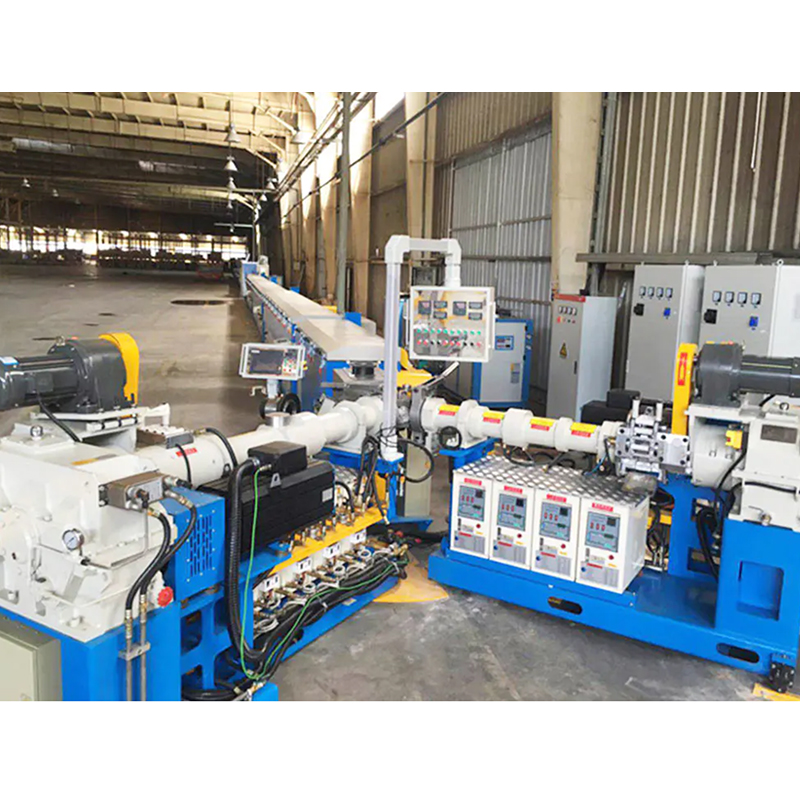
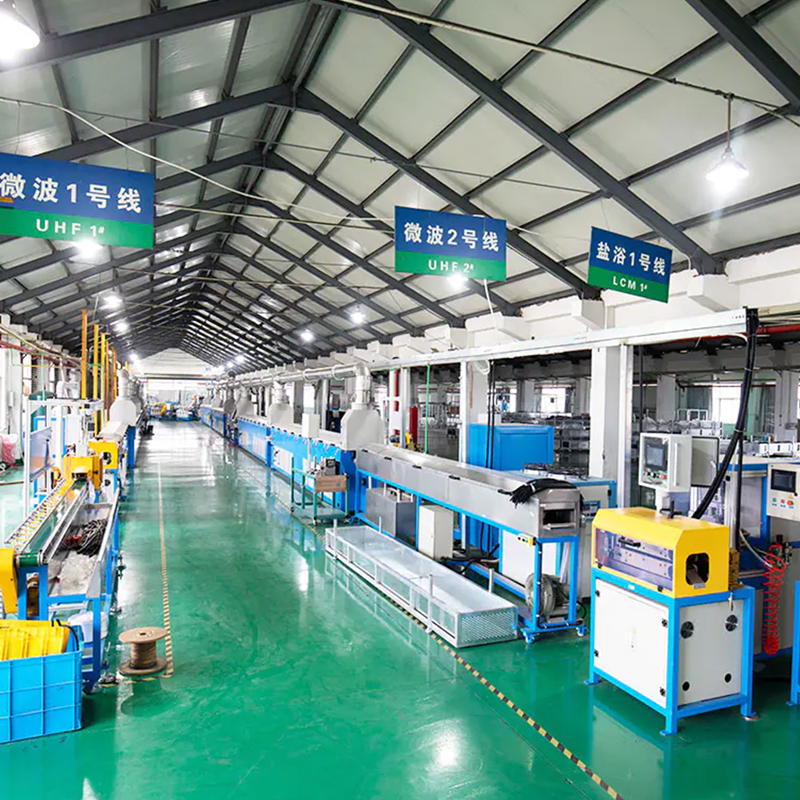
OTT RubberTech is a professional solution provider of rubber process formula, material, machinery with Mixer, Rubber Mixer, Mixing Mill, Precision Performer, Vulcanizing Press, Calender, batch-off Cooling unit, rubber Extruder, and other support plastic machines.
Features and Performance
The primary performance advantage of high-pressure kneading is the ability to achieve superior dispersion in a shorter timeframe. The high-pressure environment facilitates faster heat transfer and mechanical shearing, which is particularly beneficial for high-viscosity materials like FKM or high-mooney EPDM.
| Performance Metric | System Capability |
|---|---|
| Ram Force | Hydraulic High-Pressure Control |
| Rotor Torque | Variable Frequency Drive (VFD) Optimized |
| Heat Management | Individual Rotor and Chamber Cooling |
| Durability | Tungsten Carbide Faced Rotor Tips |
| Discharge Type | Drop Door or Tilting Discharge |
| Sealing Integrity | High-Performance Pressure Seals |
These machines feature specialized rotor profiles, such as the intermeshing or tangential designs, which are selected based on the specific mixing requirements of the client. The use of high-grade wear-resistant coatings on the internal surfaces ensures that the machine can process abrasive materials for years without significant loss of tolerance or mixing quality. Modern high-pressure kneaders also integrate advanced sensors to track real-time energy consumption and pressure fluctuations.
Usage Tips and Techniques
To maximize the life of a high-pressure kneader, operators must balance the ram pressure with the rotor speed. Applying too much pressure too quickly can lead to motor strain, while too little pressure results in poor dispersion. It is crucial to calibrate the hydraulic system regularly to ensure that the pressure readings on the control panel reflect the actual force being applied to the batch.
| Technique Category | Actionable Tip |
|---|---|
| Batch Sizing | Keep fill factor between 70 percent and 85 percent for optimal flow |
| Torque Control | Start at lower RPM during the mastication phase |
| Ram Positioning | Use floating ram mode for materials that expand during heating |
| Cooling Efficiency | Monitor inlet and outlet water temperature differential |
| Process Logging | Record energy consumption per batch to ensure consistency |
When working with heat-sensitive materials, utilizing the "intermittent ram" technique can help manage internal temperatures. This involves lifting the ram momentarily during the cycle to allow the material to reorient and release trapped gases. Additionally, using a specialized cleaning compound after processing sticky materials like certain fluoroelastomers can prevent cross-contamination and maintain the integrity of the chamber seals.
Maintenance Skills
The high-pressure nature of these machines puts immense stress on the hydraulic seals and the rotor bearings. A strict lubrication schedule is the most effective way to prevent mechanical failure. It is also important to inspect the hydraulic fluid for signs of contamination or oxidation, as degraded oil can lead to sluggish ram movement or damage to the precision valves within the system.
| Maintenance Area | Recommended Procedure | Interval |
|---|---|---|
| Hydraulic Seals | Check for weeping and replace worn O-rings | Weekly |
| Rotor Bearings | Automatic lubrication system check | Daily |
| Electrical Panels | Dust removal and tightening of connections | Monthly |
| Gearbox Oil | Analyze oil for metal particulates | Bi-Annually |
| Chamber Surface | Polishing and inspection for pitting | Annually |
Furthermore, the cooling jackets should be periodically inspected for mineral buildup, which can act as an insulator and reduce cooling efficiency. Using treated water or a closed-loop cooling system can significantly extend the life of the chamber. Operators should also pay close attention to the sound of the machine during operation; unusual grinding or whining noises often precede bearing failures and should be investigated immediately to prevent catastrophic damage.
Application Scenarios
High-pressure rubber kneading machines are essential for manufacturing products that must meet stringent physical property requirements. They are widely used in the production of high-performance tires, specialized aerospace seals, and heavy-duty industrial components. The intense mixing capabilities allow for the successful incorporation of high volumes of functional fillers like silica and fire retardants.
| Field of Use | Specific Application |
|---|---|
| Aerospace | Vibration isolators and high-temp gaskets |
| Marine | Propeller shaft seals and hull coatings |
| Energy Sector | Oilfield drill bits and blowout preventers |
| Transportation | Heavy-duty truck tire treads and sidewalls |
| Mining | Abrasive-resistant screening and liners |
In the manufacture of oilfield rubber parts, these machines are used to blend FKM and HNBR compounds that must resist high pressures and corrosive chemicals. Similarly, in the aerospace industry, the high-pressure kneader ensures that silicone-based fire-retardant materials are mixed to a perfect consistency, ensuring safety-critical components perform reliably under extreme conditions. The machine is also highly effective for creating high-viscosity adhesives and sealants used in structural engineering.

