
 English
 русский
 Español
 عربى
عربى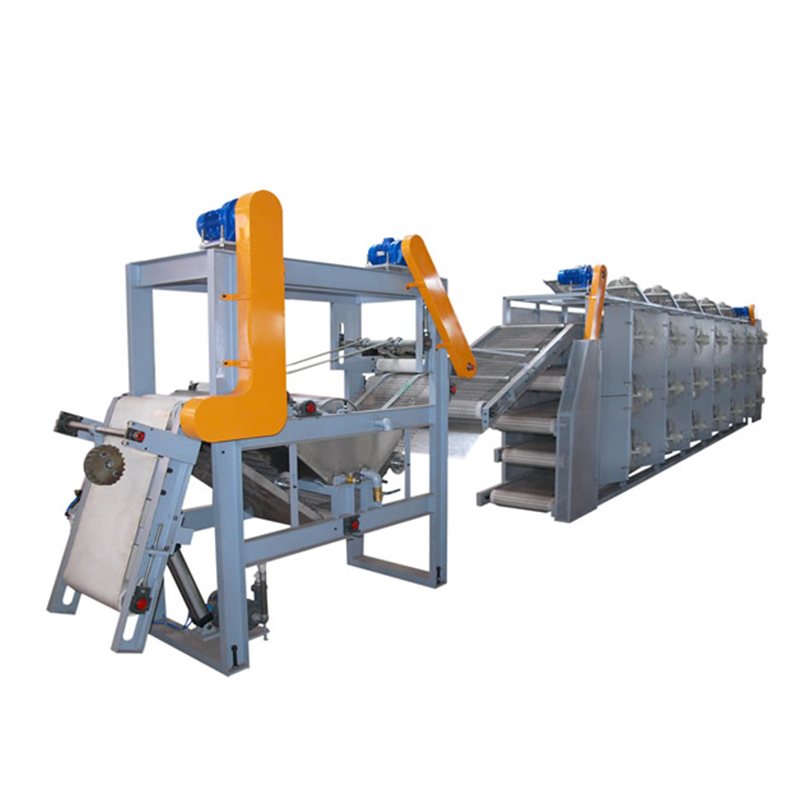
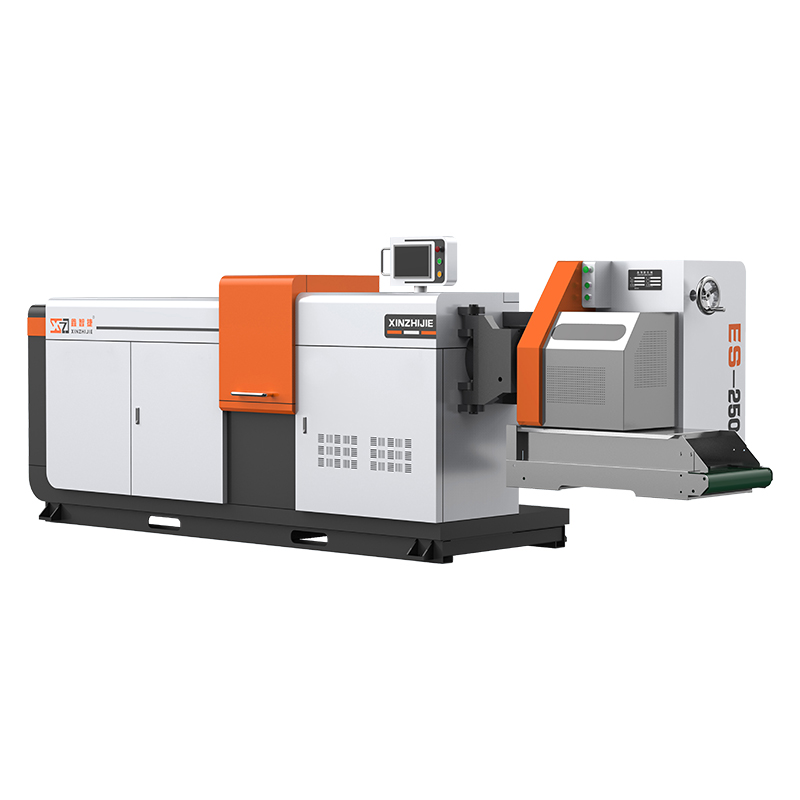
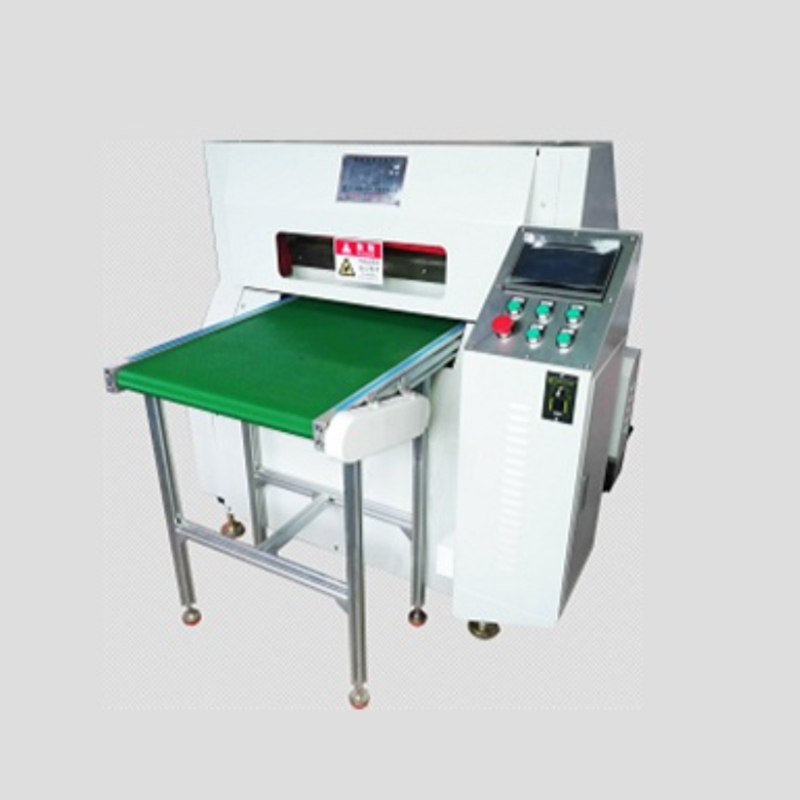



OTT RubberTech is a professional solution provider of rubber process formula, material, machinery with Mixer, Rubber Mixer, Mixing Mill, Precision Performer, Vulcanizing Press, Calender, batch-off Cooling unit, rubber Extruder, and other support plastic machines.
Features and Performance
The performance of a cutting die is measured by its dimensional accuracy and the "smoothness" of the cut it produces. A high-performance die will provide thousands of clean cuts before requiring sharpening.
| Feature | Technical Specification |
|---|---|
| Material | 9CrSi, O1 Tool Steel, or Tungsten Carbide |
| Edge Hardness | 58-62 HRC (Rockwell C) |
| Dimensional Tol. | Plus or minus 0.05mm (or better) |
| Shank Size | Standard 13mm (0.5 inch) or custom flange |
| Ejection System | Spring-loaded or rubber-insert ejectors |
| Standard Types | ASTM D412, D624, ISO 37, DIN 53504 |
Key features include the "ejection system," which pushes the rubber sample out of the die after the cut, preventing the operator from having to pull it out by hand (which can stretch or damage the sample). High-end dies are often "forged" rather than machined from plate, providing a more robust structure that maintains its shape even under the high pressure of a hydraulic press. Many dies are also chrome-plated to prevent rust and to provide a "low-friction" surface for easier cutting.
Usage Tips and Techniques
To extend the life of a precision die, never allow the cutting edge to come into contact with a metal base plate. Always use a sacrificial nylon or high-density polyethylene (PE-HD) cutting board. A key technique for cutting thick rubber (over 4mm) is to apply a small amount of "die lubricant" (water and soap) to the blade; this prevents the rubber from compressing too much and results in a more vertical cut edge.
| Operational Focus | Optimization Technique |
|---|---|
| Die Alignment | Ensure the die is perfectly perpendicular to the press bed |
| Edge Protection | Place the die onto the rubber gently before applying pressure |
| Sample Thickness | Avoid cutting rubber that is thicker than the die's internal depth |
| Cleaning | Wipe off rubber oils and moisture after each session |
| Die Storage | Store in a padded, oiled case to prevent nicks and rust |
When cutting "Dumbbells" for tensile testing, always align the long axis of the die with the "grain direction" of the rubber sheet (the direction it was calendered or milled). Cutting across the grain will usually result in lower tensile strength and higher elongation values. Operators should also inspect the "ejectors" frequently; if they become stuck, they can leave an impression mark on the sample that might affect the test results.
Maintenance Skills
Maintenance for cutting dies centers on sharpening and rust prevention. A dull die will produce "nicks" on the edge of the rubber specimen, which are the primary cause of premature failure in tensile tests. Dies should be inspected under a magnifying glass weekly for any signs of rounding or chipping on the cutting edge.
| Maintenance Area | Procedure | Frequency |
|---|---|---|
| Cutting Edge | Hone lightly with a fine oil-stone | Weekly |
| Dimensional Verif. | Measure critical widths with a digital micrometer | Monthly |
| Rust Prevention | Coat with light machine oil or WD-40 | After Use |
| Ejection System | Check springs and rubber inserts for elasticity | Monthly |
| Mounting Shank | Check for burrs or deformation that could tilt the die | Weekly |
Maintenance staff should avoid using a grinder to sharpen the dies, as the heat can ruin the temper of the steel. Instead, use a specialized die-sharpening service or a precision honing stone. It is also important to check the dimensional accuracy of the die after every sharpening; if the honing has significantly changed the width of the narrow section of a dumbbell die, it may no longer comply with the ASTM or ISO standards and must be retired.
Application Scenarios
Precision dies are used in every laboratory that performs physical property testing of rubber. They are standard equipment for quality control labs in tire plants, gasket factories, and raw material suppliers. They are also used for preparing samples for chemical analysis and thermal testing.
| Testing Standard | Typical Die Shape |
|---|---|
| ASTM D412 | Dumbbell (Die C is the most common) |
| ASTM D624 | Crescent or Die C (for Tear Strength) |
| ISO 815 | Circular Discs (for Compression Set) |
| ASTM D395 | Button samples (thick discs for compression) |
| Custom Spec | Rectangular strips for abrasion or flex testing |
In the manufacture of pharmaceutical stoppers, the dies must be kept in "surgical" condition to ensure the samples are perfectly clean and free of metal fragments. For manufacturers of reinforced conveyor belts, heavy-duty forged dies are required to cut through the internal fabric or steel cords. These dies are the essential link between the raw compound and the data used to guarantee product performance to the end customer.

