
 English
 русский
 Español
 عربى
عربى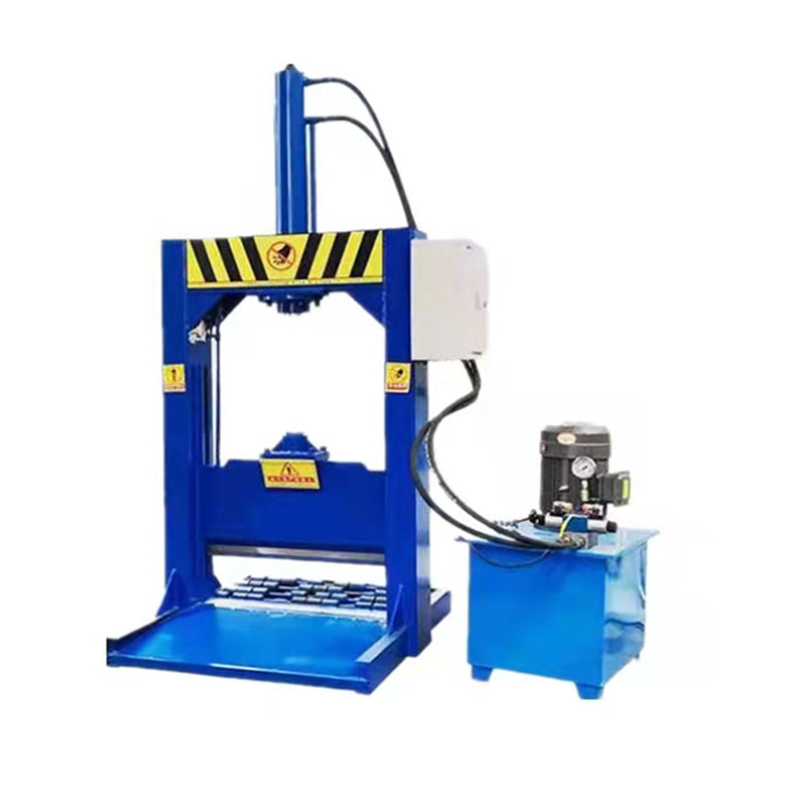
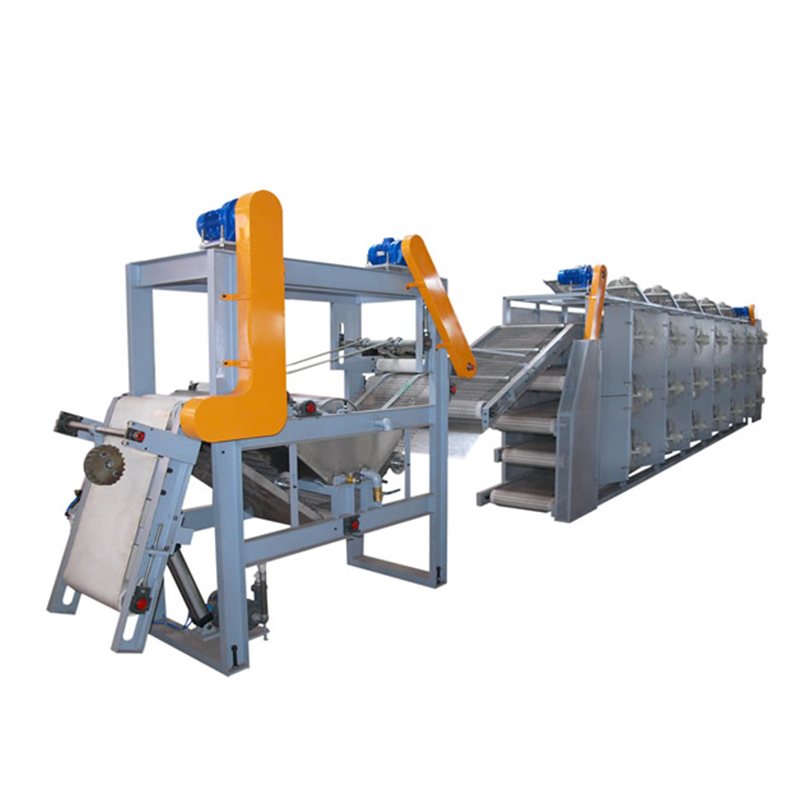
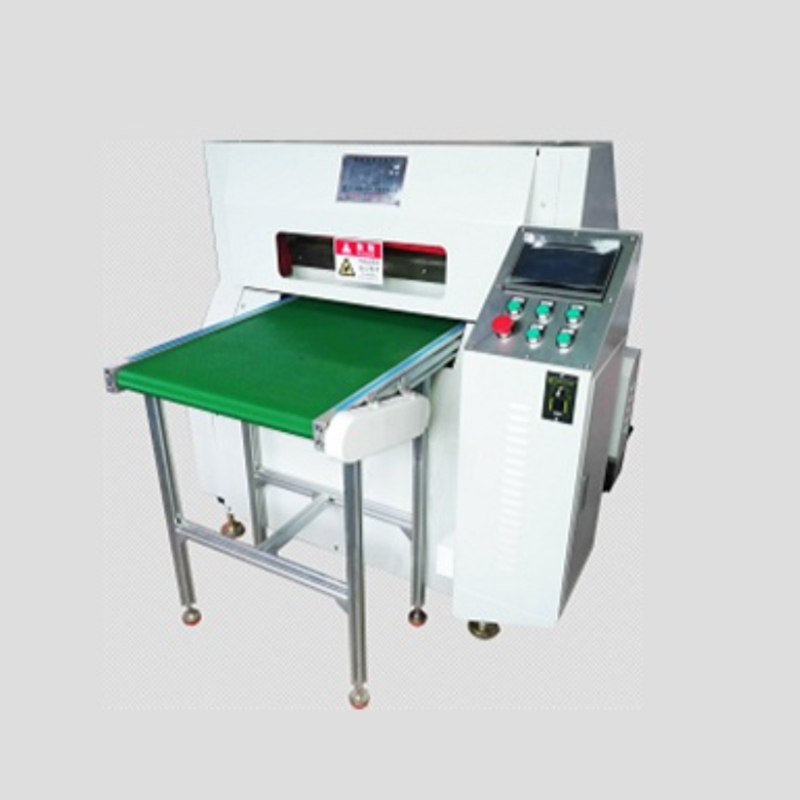
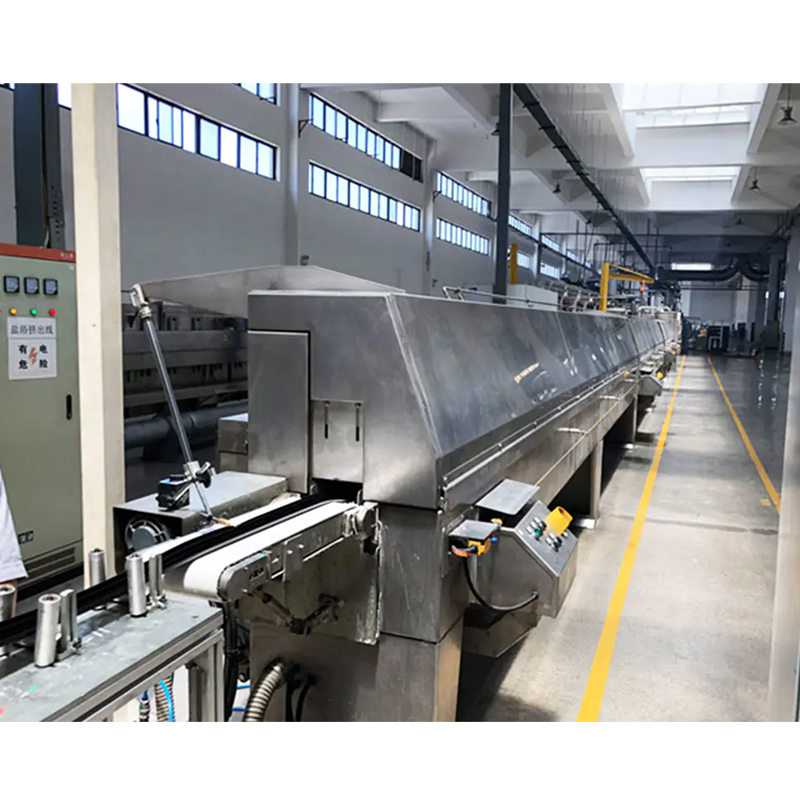
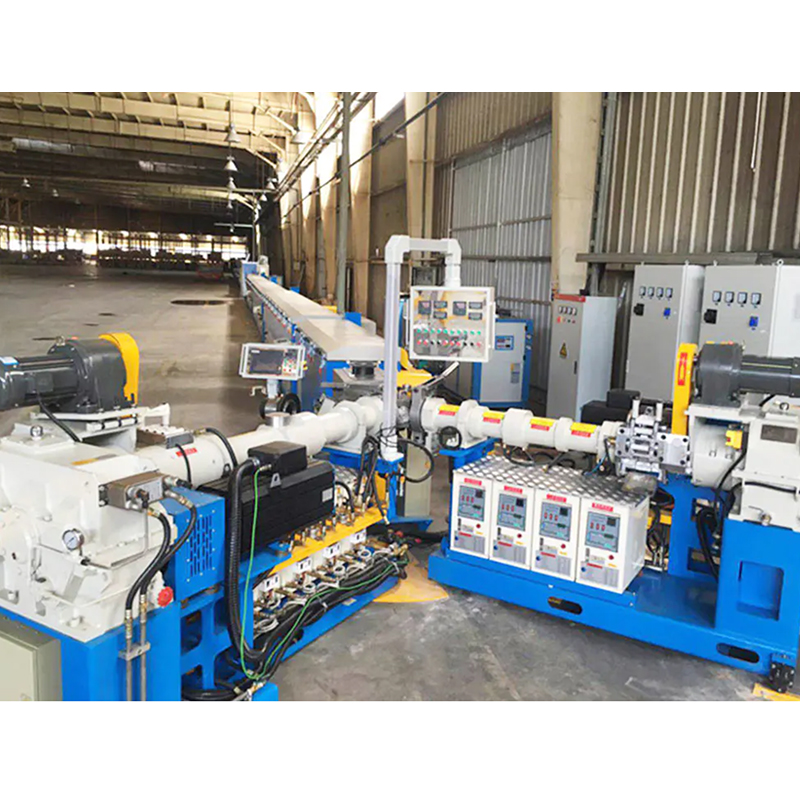
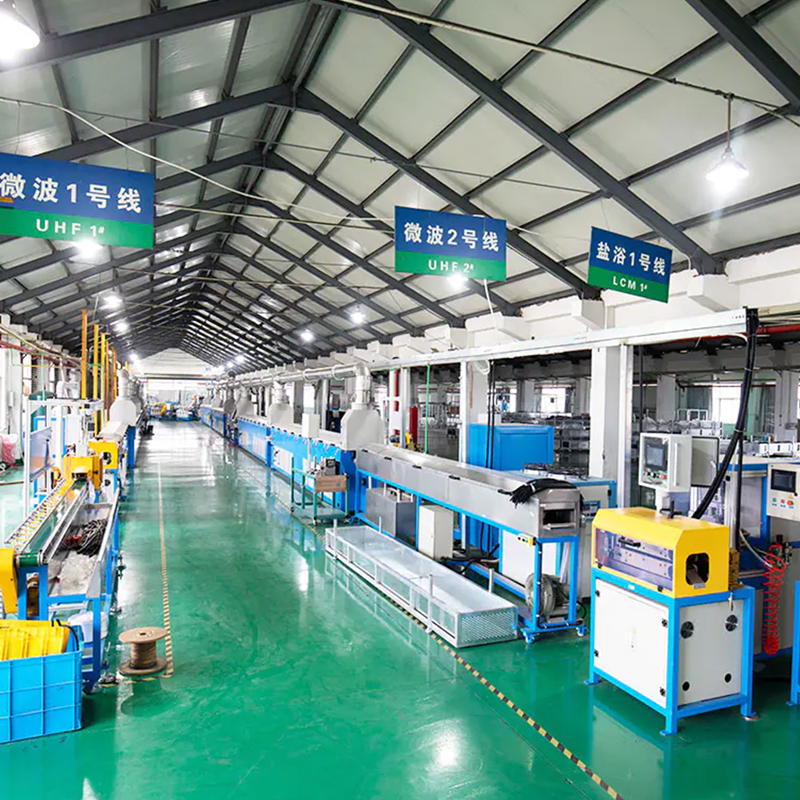
OTT RubberTech is a professional solution provider of rubber process formula, material, machinery with Mixer, Rubber Mixer, Mixing Mill, Precision Performer, Vulcanizing Press, Calender, batch-off Cooling unit, rubber Extruder, and other support plastic machines.
Features and Performance
The performance of a cold feed preformer is characterized by its high throughput and consistent extrusion pressure. The screw and barrel are often treated with specialized nitriding or bimetallic coatings to ensure a long service life even when processing abrasive rubber compounds. The machine's ability to degas the material under vacuum is a key feature for high-quality production.
| Technical Feature | Specification/Performance |
|---|---|
| Screw Design | Vented or Non-vented with Barrier Flights |
| L/D Ratio | Typically 12:1 to 16:1 for optimal mixing |
| Barrel Cooling | Multi-zone liquid temperature control |
| Feeding System | Power feed roller for consistent intake |
| Vacuum Level | Up to -0.095 MPa for air removal |
| Drive System | High-torque AC motor with planetary gearbox |
The inclusion of a power feed roller ensures that the rubber strips are pulled into the screw at a constant rate, preventing "starve feeding" which can lead to weight variations in the preforms. Precise temperature control of the various barrel zones allows the operator to fine-tune the material's viscosity as it moves toward the die head. This level of control is essential for processing a wide variety of elastomers, from soft silicone to hard, high-carbon-black compounds, without the risk of scorching.
Usage Tips and Techniques
To optimize the efficiency of a cold feed preformer, the input rubber strips should be uniform in width and thickness. If the strips are too thick, the feed roller may struggle to grip them, while strips that are too thin can lead to erratic extrusion pressure. Operators should also monitor the vacuum window frequently; if rubber starts to enter the vacuum system, it indicates that the screw is overfilled or that the material temperature is too high.
| Operation Task | Optimization Technique |
|---|---|
| Feeding | Maintain a 10 percent strip width clearance for the feed roll |
| Vacuum Port | Clean the vacuum screen every 4 hours to prevent clogging |
| Temperature Profile | Set a rising temperature gradient from feed to head |
| Screw Speed | Match RPM to the required volumetric throughput |
| Shutdown | Purge the screw with a stable compound before stopping |
Using a barrier screw design can significantly improve the dispersion of fillers during the extrusion process, which is particularly useful for compounds that were not perfectly mixed in the primary kneader. For heat-sensitive materials, keeping the screw speed low and utilizing maximum cooling in the final barrel zones will prevent premature vulcanization. It is also a best practice to use a metal detector on the feed line to prevent foreign objects from damaging the expensive screw and barrel assembly.
Maintenance Skills
The maintenance of a cold feed preformer centers on the wear of the screw and barrel. Over time, the clearance between the screw flights and the barrel wall will increase, leading to a loss of extrusion pressure and reduced throughput. This clearance should be measured annually using a bore gauge. The feed roller assembly also requires regular attention, specifically the bearings and the tension of the drive system.
| Maintenance Area | Procedure | Frequency |
|---|---|---|
| Screw and Barrel | Measure flight-to-wall clearance | Annually |
| Feed Roller | Lubricate bearings and check for grip wear | Monthly |
| Vacuum Seals | Inspect O-rings and gaskets for air leaks | Quarterly |
| Gearbox Oil | Change oil and clean magnetic drain plugs | Bi-Annually |
| Heating/Cooling Units | Check for leaks and verify heater resistance | Monthly |
If the machine is used for different colors or incompatible compounds, a complete screw pull and cleaning should be performed to ensure no cross-contamination occurs. This process requires specialized tools and careful handling to avoid scratching the polished surfaces of the screw. Additionally, the vacuum pump and its associated filters should be maintained meticulously; a drop in vacuum performance will immediately result in porosity issues in the finished rubber blanks.
Application Scenarios
Cold feed rubber preformers are widely used in high-volume industries such as tire manufacturing, automotive parts production, and large-scale technical rubber molding. Their ability to run continuously makes them the perfect choice for production lines that feed into automated mold loaders. They are highly effective for producing strips, pellets, and complex blanks for various molding applications.
| Industry | Typical Application |
|---|---|
| Tire Production | Extruding components for sidewalls and treads |
| Automotive Parts | Continuous production of wiper blade blanks |
| General Rubber Goods | High-volume production of washer and seal blanks |
| Construction | Extruding sealant strips and expansion joints |
| Appliance Industry | Door seals and anti-vibration feet blanks |
In the production of automotive wiper blades, the cold feed preformer ensures that the compound is extruded at a very consistent density, which is critical for the blade's performance. In the tire industry, these machines are used to produce small, precise components that are integrated into the complex tire structure. The versatility of the cold feed design allows it to handle both low-cost natural rubber and high-performance synthetic elastomers, making it a valuable asset for any diversified rubber manufacturer.

