
 English
 русский
 Español
 عربى
عربى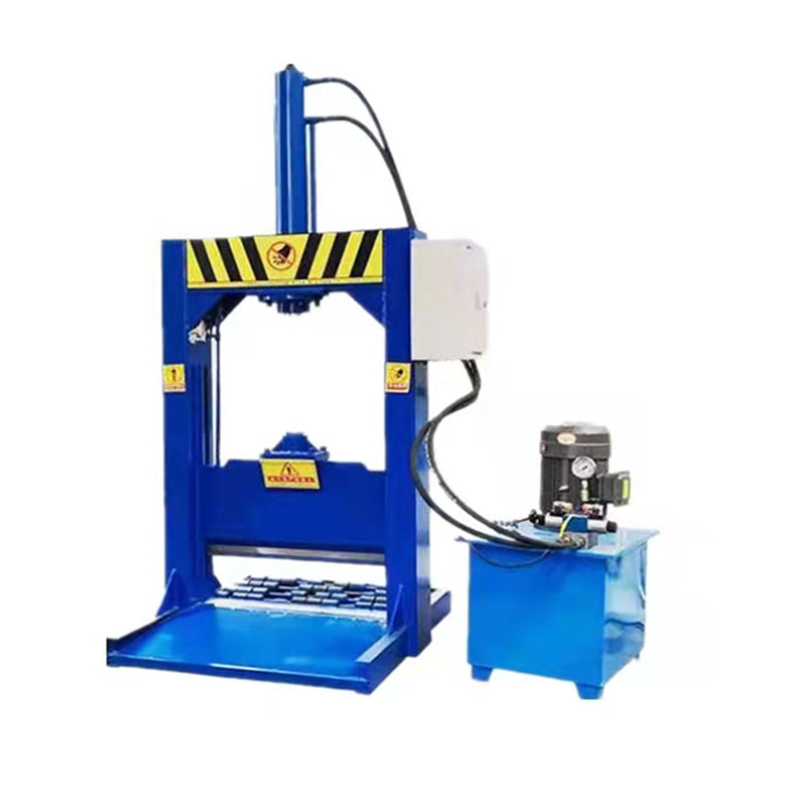
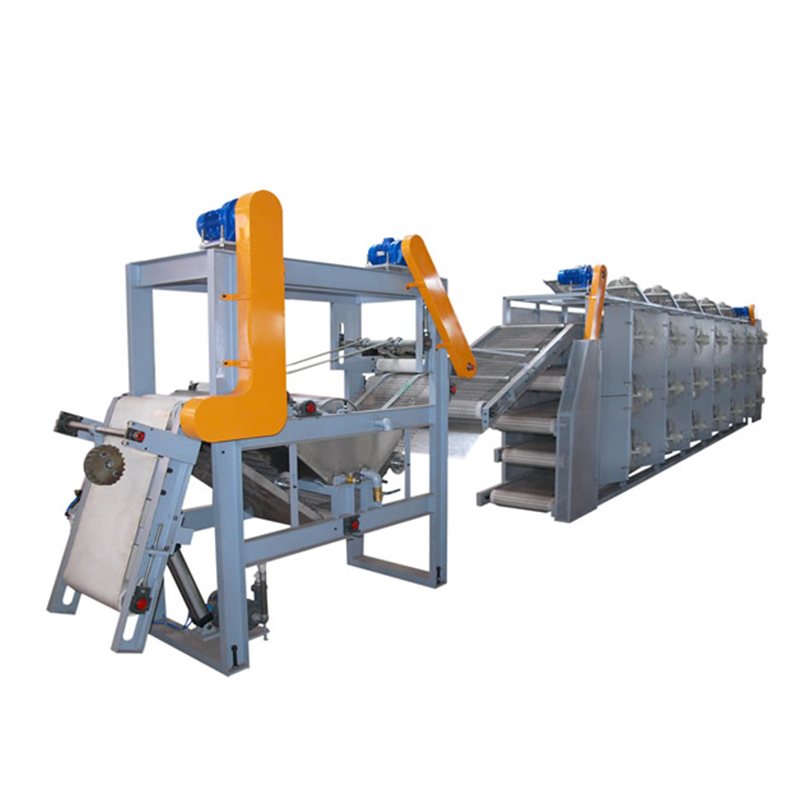
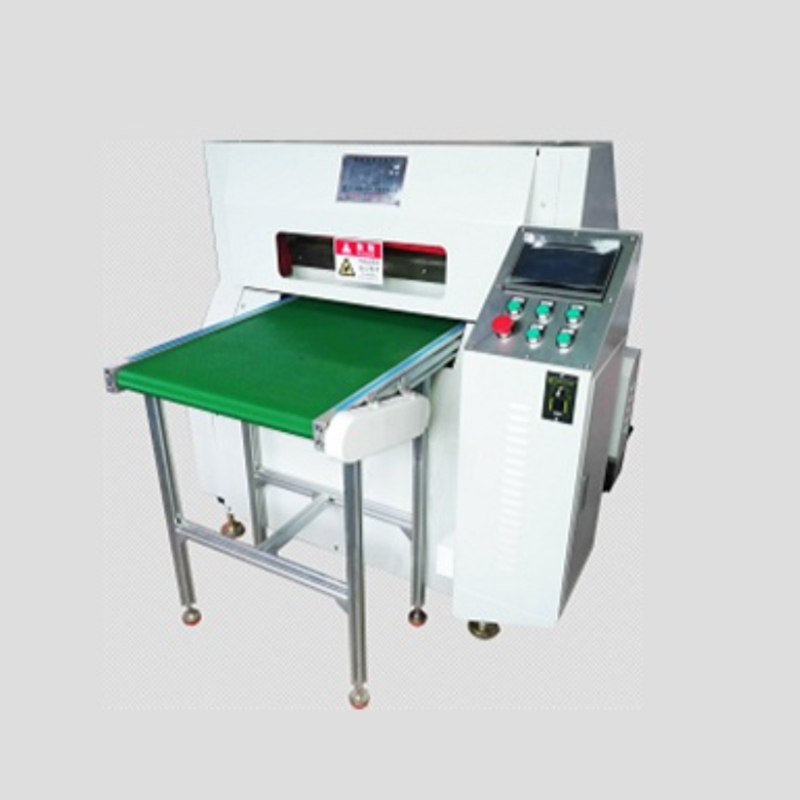
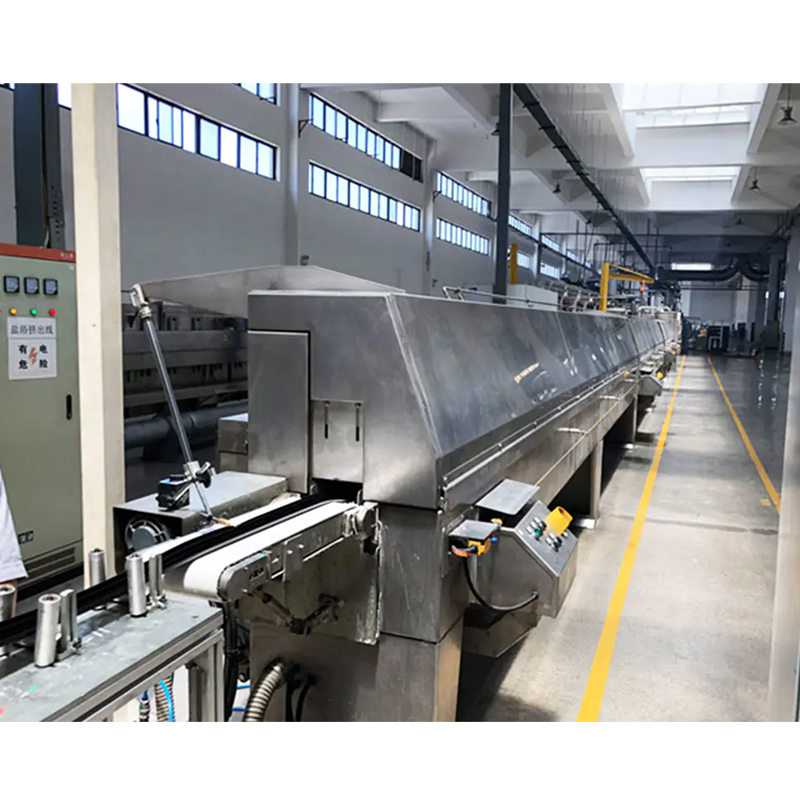
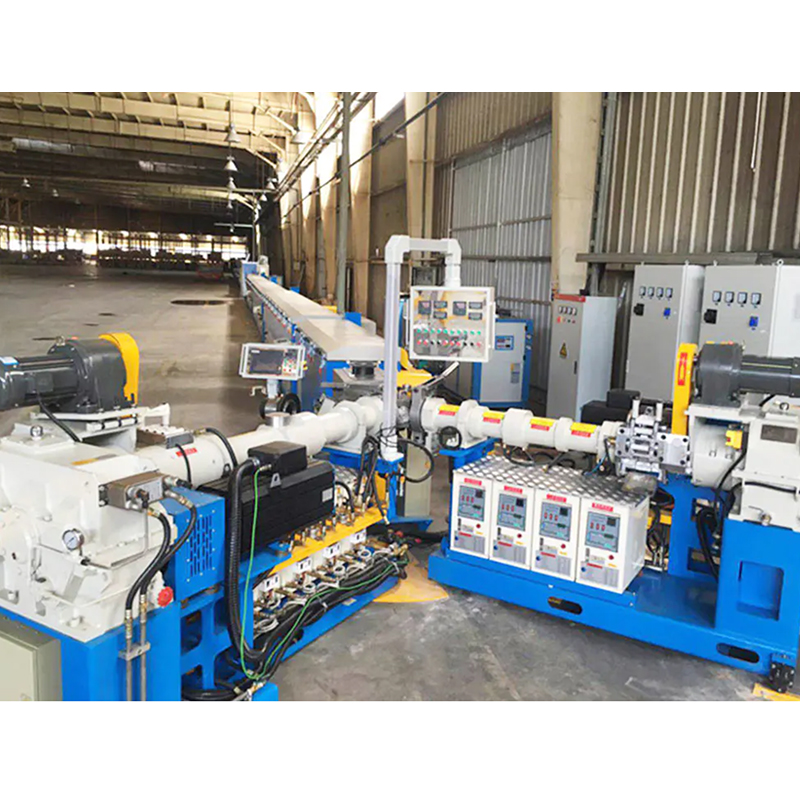
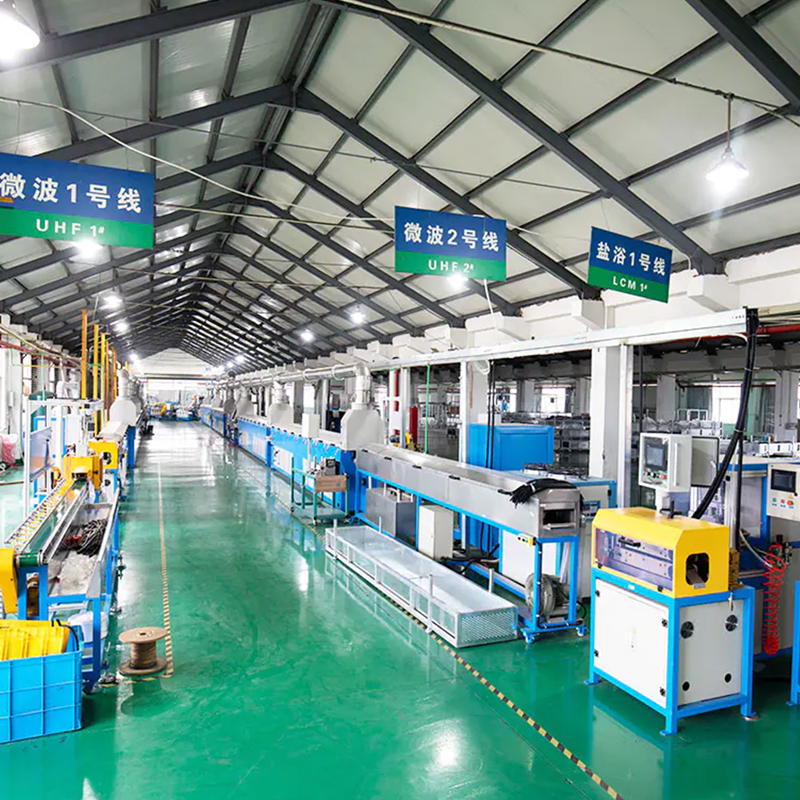
OTT RubberTech is a professional solution provider of rubber process formula, material, machinery with Mixer, Rubber Mixer, Mixing Mill, Precision Performer, Vulcanizing Press, Calender, batch-off Cooling unit, rubber Extruder, and other support plastic machines.
Features and Performance
The performance of an aging chamber is defined by its thermal stability and the uniformity of the environmental conditions within the workspace. Precision airflow systems ensure that every sample is exposed to the same air exchange rate and temperature.
| Technical Feature | Performance Standard |
|---|---|
| Temp Range | Ambient plus 10C to 300C |
| Temp Uniformity | Plus or minus 1.0 percent of setpoint |
| Air Exchange Rate | Adjustable from 3 to 200 times per hour |
| Humidity Control | Optional range from 20 to 98 percent RH |
| Light Source | Xenon arc or UV-fluorescent lamps |
| Control System | Programmable PLC with multi-step cycles |
Key features include high-grade stainless steel interiors to prevent corrosion from moisture and outgassed rubber volatiles. Advanced models feature rotating sample racks to ensure even exposure to light and airflow. Safety features such as independent over-temperature protection and glass viewing windows with UV filters allow for safe observation of the samples without disrupting the testing environment.
Usage Tips and Techniques
To ensure repeatable results, samples should be placed in the chamber so they do not touch each other or the walls, allowing for unrestricted airflow around each specimen. It is also important to maintain a consistent air exchange rate; excessive airflow can cause "skinning" on the rubber, while too little airflow can lead to the buildup of degradation byproducts that influence the test results.
| Testing Focus | Optimization Technique |
|---|---|
| Sample Loading | Space specimens at least 10mm apart |
| Air Exchange | Calibrate the intake/exhaust dampers for each test type |
| Baseline Data | Test unaged control samples simultaneously |
| UV Exposure | Rotate light bulbs regularly to maintain intensity |
| Water Quality | Use deionized water for humidity systems to avoid scale |
A common technique for evaluating aging is to measure the "Change in Properties" rather than the absolute values. For example, testing the Shore hardness and tensile strength before and after a 70-hour aging cycle provides a clear percentage of degradation. For products used in coastal areas, using a chamber that can also simulate salt spray (cyclic corrosion) provides a more realistic assessment of the rubber-to-metal bond durability.
Maintenance Skills
Maintenance for aging chambers focuses on the heating elements, fan motors, and sensor calibration. Because these units often run 24/7 at high temperatures, the fan bearings are a common point of failure and should be lubricated or replaced periodically. The temperature and humidity sensors must be calibrated against a certified reference every six months to ensure compliance with testing standards.
| Maintenance Area | Procedure | Frequency |
|---|---|---|
| Fan Bearings | Inspect for noise and apply high-temp grease | Quarterly |
| Door Gaskets | Check for brittle rubber or air leaks | Monthly |
| UV/Xenon Lamps | Monitor hours of use and replace per schedule | Per 500-1000 hrs |
| Heating Elements | Check for hotspots or oxidation | Quarterly |
| Calibration | Verify temp/humidity with traceable probe | Bi-Annually |
It is also vital to clean the interior of the chamber regularly. Volatile chemicals released from the rubber during aging can condense on the walls and sensors, leading to incorrect readings or "cross-contamination" between different rubber compounds. If the chamber uses a humidity system, the water filters and steam generator must be descaled frequently to prevent mineral buildup from clogging the spray nozzles or damaging the heaters.
Application Scenarios
Aging chambers are used by R&D labs and QC departments across the rubber industry. They are particularly important for manufacturers of safety-critical parts like brake hoses, tires, and electrical insulation. They are also used to test the shelf-life of uncured rubber compounds and adhesives.
| Industry Sector | Typical Aging Test |
|---|---|
| Automotive | Heat aging of engine gaskets and coolant hoses |
| Construction | UV and ozone testing of roofing membranes |
| Power & Utilities | Long-term insulation stability for high-voltage cables |
| Aerospace | Low-temp and high-heat cycling of fuel seals |
| Marine | Salt-fog and UV resistance for dock fenders |
In the tire industry, aging chambers are used to simulate the effect of sun exposure on tire sidewalls, helping engineers develop better anti-ozonant packages. For the construction industry, these tests ensure that EPDM window seals will remain flexible and watertight for decades. The ability to simulate extreme environments makes these chambers a cornerstone of risk management for any company providing long-term warranties on rubber products.

