
 English
 русский
 Español
 عربى
عربى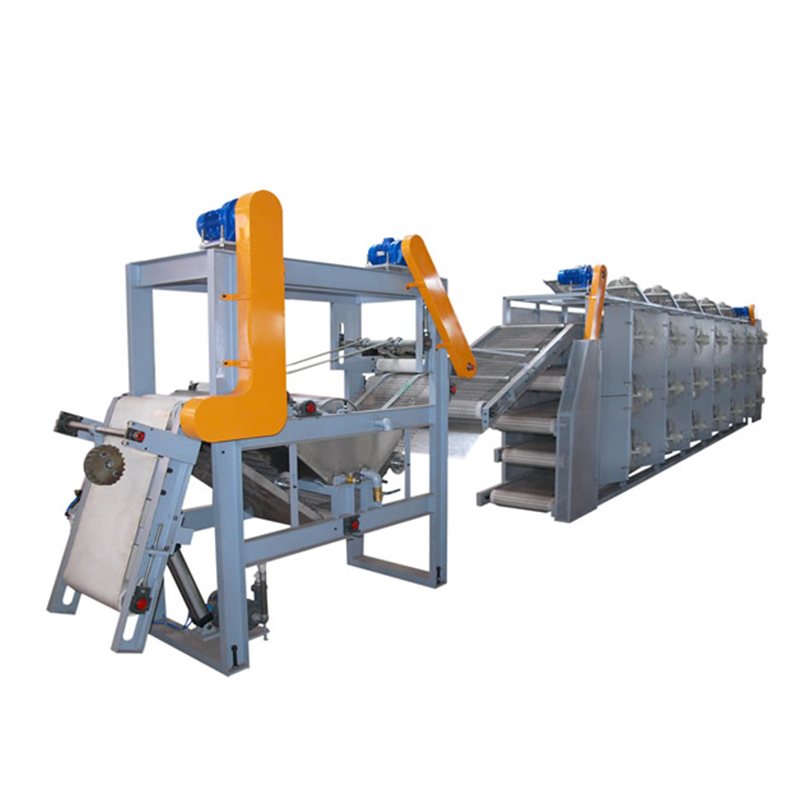
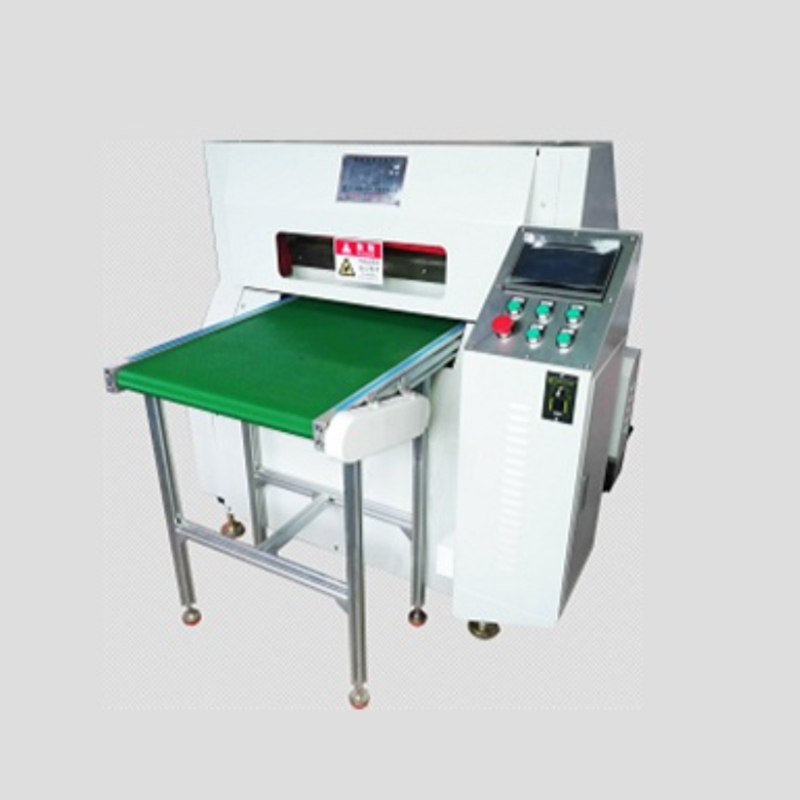
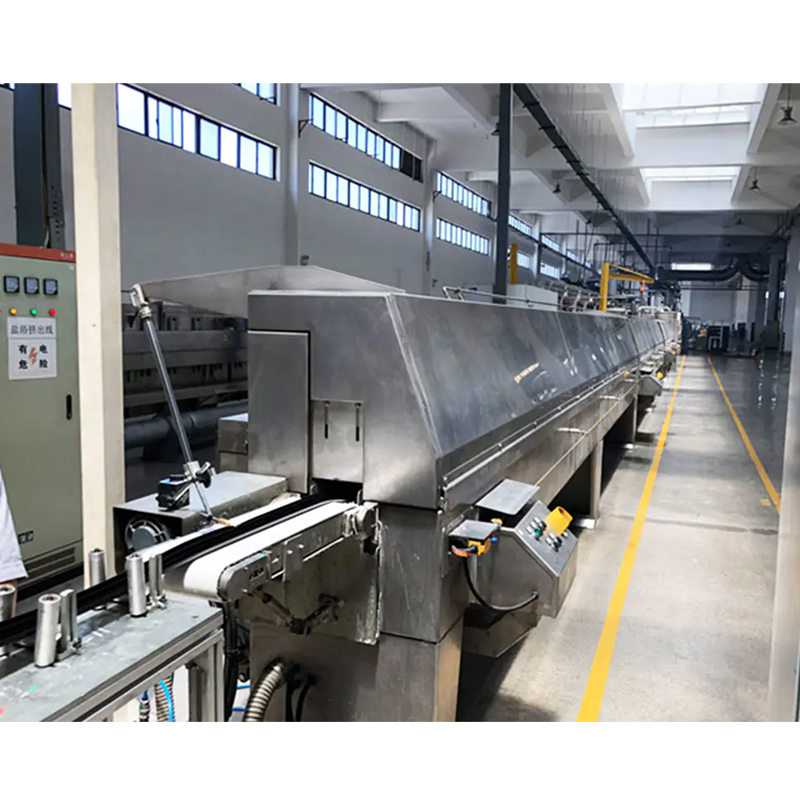
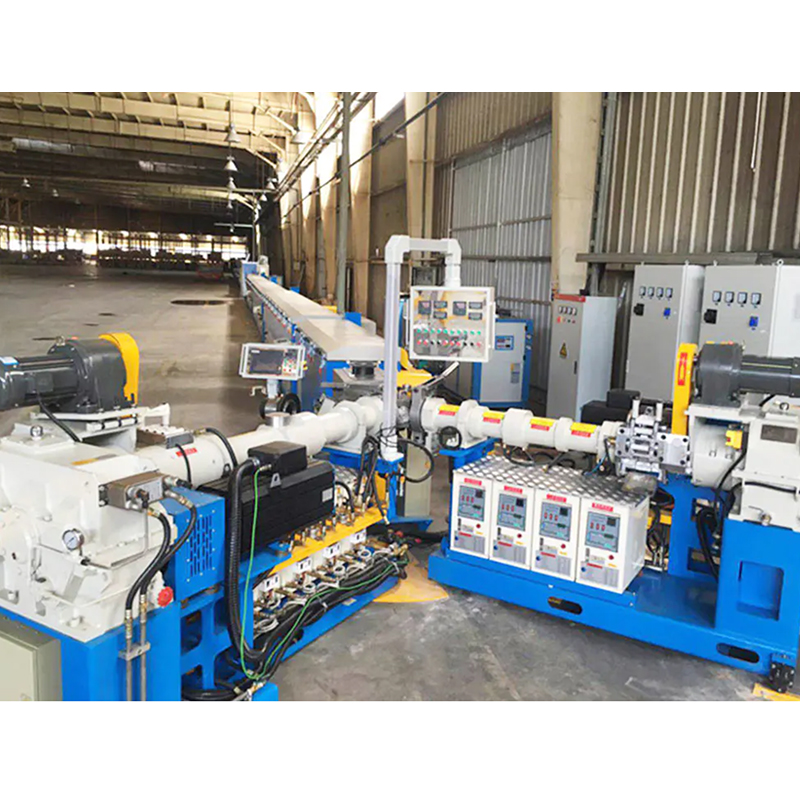
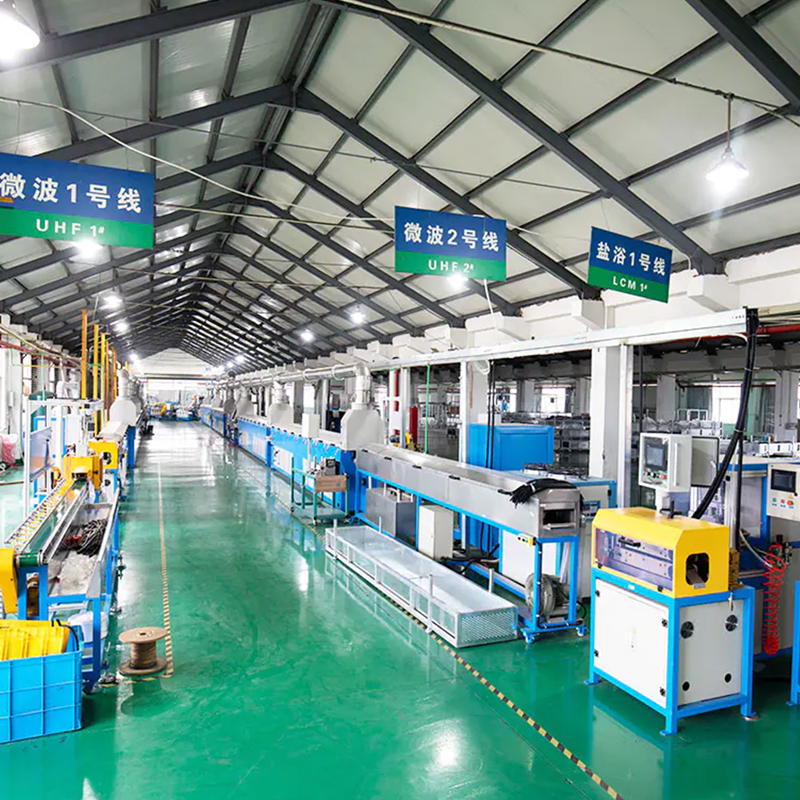
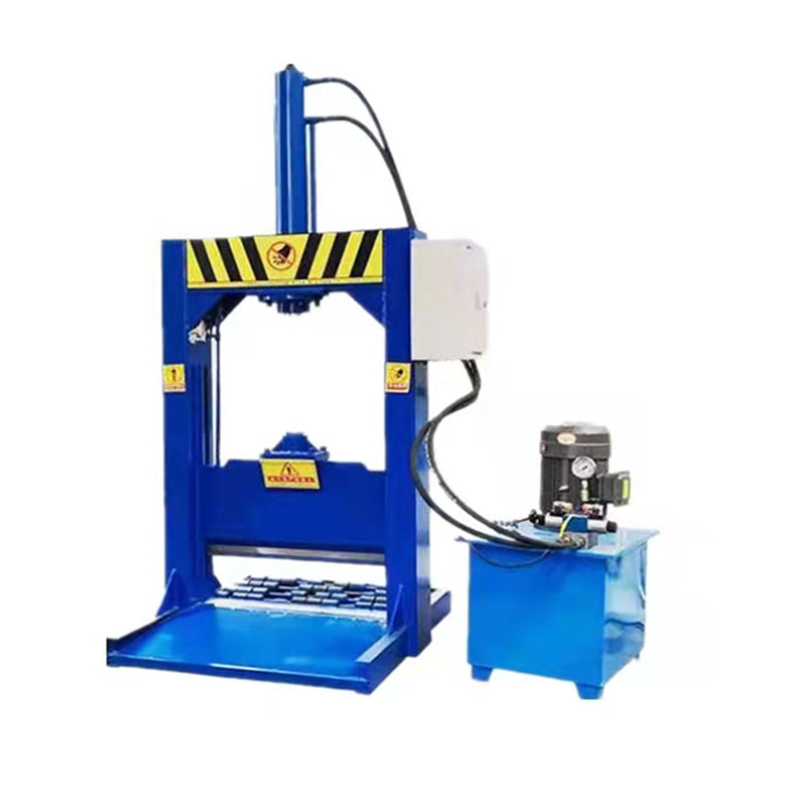
OTT RubberTech is a professional solution provider of rubber process formula, material, machinery with Mixer, Rubber Mixer, Mixing Mill, Precision Performer, Vulcanizing Press, Calender, batch-off Cooling unit, rubber Extruder, and other support plastic machines.
Features and Performance
The performance of industrial extruders is defined by their throughput capacity and the stability of the extrusion pressure. High-performance models feature bimetallic barrels and specialized screw geometries tailored to specific elastomers like EPDM or NBR.
| Feature | Technical Specification |
|---|---|
| Screw Diameter | Range from 60mm to 250mm |
| L/D Ratio | Optimized between 12:1 and 20:1 |
| Heating Zones | Multi-zone electric or oil heating |
| Feeding Style | Side-roll power feeding for strips |
| Motor Type | Variable Frequency AC or Servo Drive |
| Pressure Rating | Continuous operation up to 35 MPa |
Key performance indicators include the ability to maintain a constant output rate with minimal surging, which is achieved through precision-ground screws and advanced PID temperature controllers. The robust construction of the gearbox and thrust bearings allows the equipment to handle the extreme back-pressures generated when extruding dense, high-viscosity rubber compounds without mechanical fatigue.
Usage Tips and Techniques
Achieving a high-quality surface finish requires precise management of the temperature gradient across the extruder barrel. A common technique is to set the feed zone at a lower temperature to ensure the rubber grips the screw flights, while gradually increasing the temperature toward the die head to reduce viscosity and improve flow.
| Process Focus | Recommended Technique |
|---|---|
| Start-up | Warm the barrel to 80 percent of setpoint before feeding |
| Surge Control | Maintain a consistent bank of material in the feed roll |
| Profile Stability | Use a break-plate to straighten material flow |
| Die Adjustment | Centering bolts should be adjusted while under pressure |
| Shutdown | Run out all material or use a purge compound |
For profiles with complex geometries, using a vacuum-vented barrel is highly recommended to remove volatiles and trapped air that can cause surface pitting or internal voids. Operators should also ensure that the rubber strips fed into the machine are of consistent width and thickness to prevent fluctuations in the screw fill factor, which directly impacts dimensional consistency.
Maintenance Skills
The longevity of extruding equipment depends heavily on the condition of the screw and barrel. Wear in these areas leads to backflow, which reduces output and increases material temperature. Regular measurement of the clearance between the screw flights and the barrel wall is essential. Additionally, the thrust bearing, which absorbs the axial force of the extrusion, must be monitored for heat and vibration.
| Component | Maintenance Task | Frequency |
|---|---|---|
| Screw and Barrel | Check clearance and inspect for pitting | Annually |
| Gearbox Oil | Check for metal shavings and change oil | Bi-Annually |
| Feed Roll | Inspect bearings and gear alignment | Monthly |
| Heating Elements | Verify current draw and physical integrity | Quarterly |
| Thrust Bearing | Lubrication and temperature check | Weekly |
Maintenance staff should develop the skill of "reading" the screw surface during cleaning; discolored or burnt rubber on specific flights can indicate a malfunctioning heater or a dead zone in the barrel. It is also critical to maintain the cooling water manifold, ensuring that all solenoid valves and flow meters are functioning, as a failure in barrel cooling can lead to scorched rubber and a blocked die head.
Application Scenarios
Industrial rubber extruders are used in nearly every sector of rubber manufacturing, from tire components to architectural seals. Their versatility allows them to be integrated into complex production lines that include curing tunnels, cooling troughs, and automated cutting systems. They are particularly effective for long-run production of weatherstripping, hoses, and industrial tubing.
| Industry | Typical Application |
|---|---|
| Construction | Window and door gaskets, expansion joints |
| Automotive | Radiator hoses, fuel lines, weather seals |
| Power Industry | Cable insulation and jacketing |
| Appliance | Refrigerator door seals and washing machine hoses |
| Oil and Gas | Drill pipe protectors and specialized hosing |
In the manufacture of EPDM automotive seals, extruders are often used in a "co-extrusion" setup where two or more machines feed into a single die head to create a product with both hard and soft rubber sections. In the wire and cable industry, extruders are used to apply a uniform layer of insulating rubber over copper or aluminum conductors, requiring high-speed precision and consistent thickness control over miles of cable.

