
 English
 русский
 Español
 عربى
عربى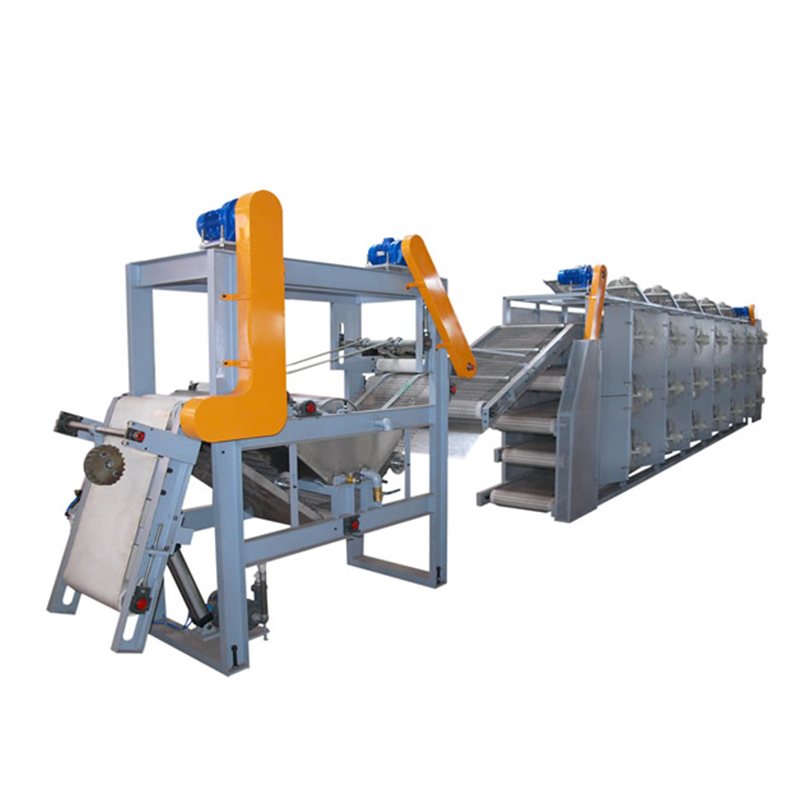
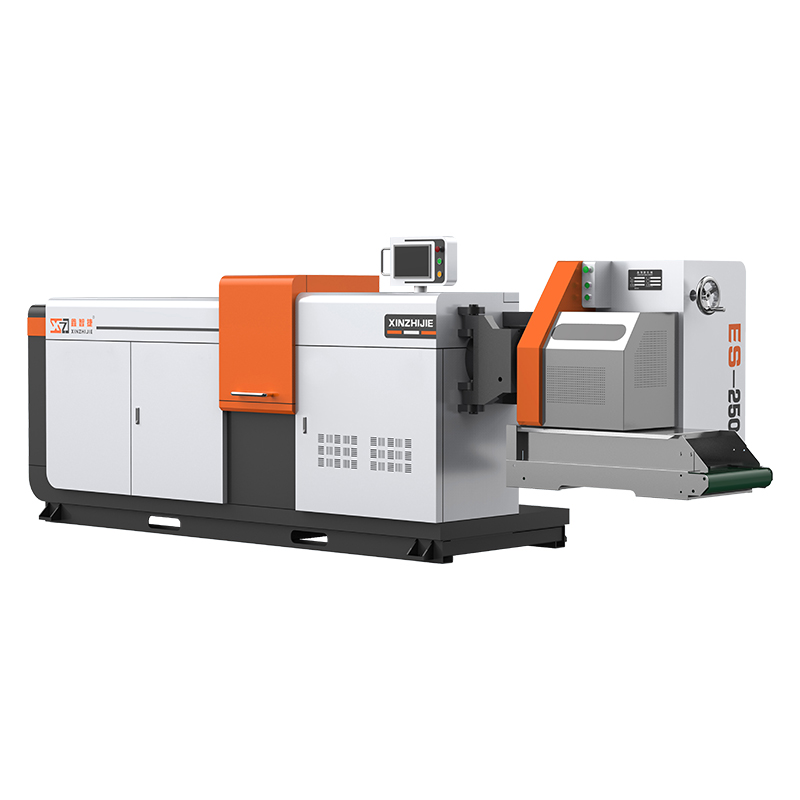
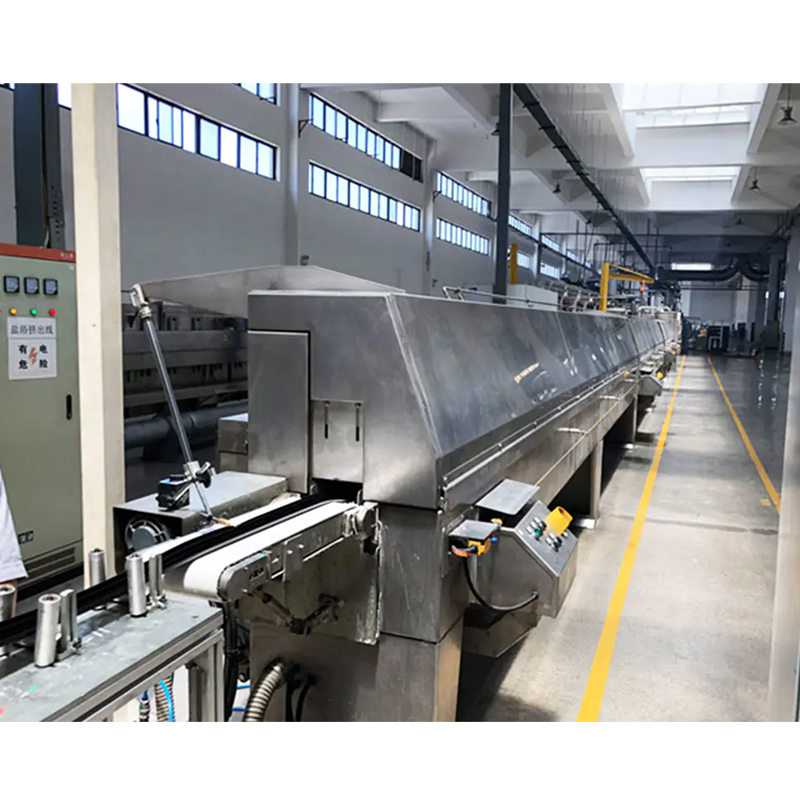
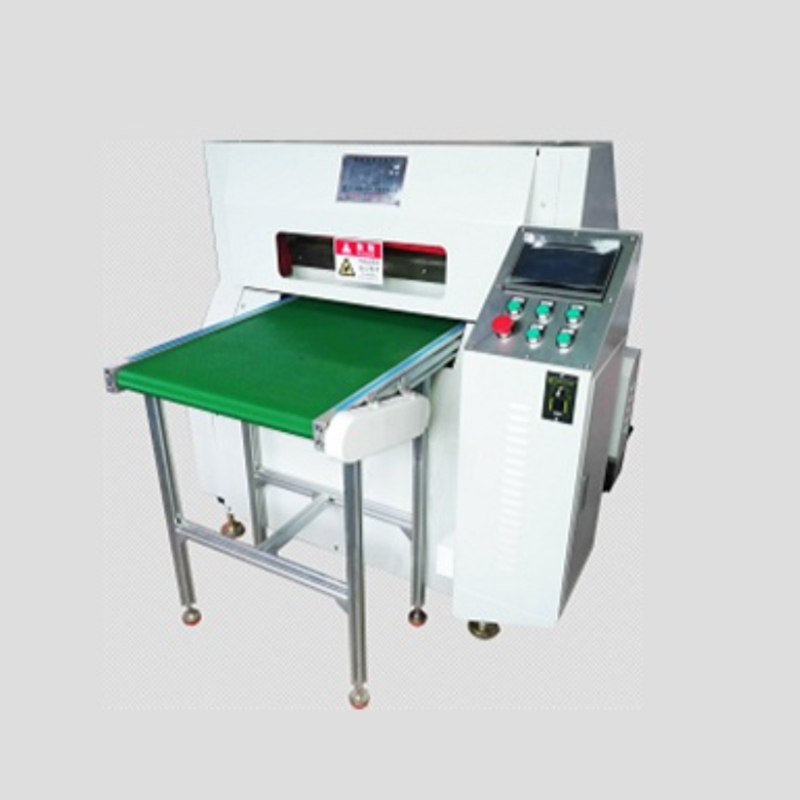
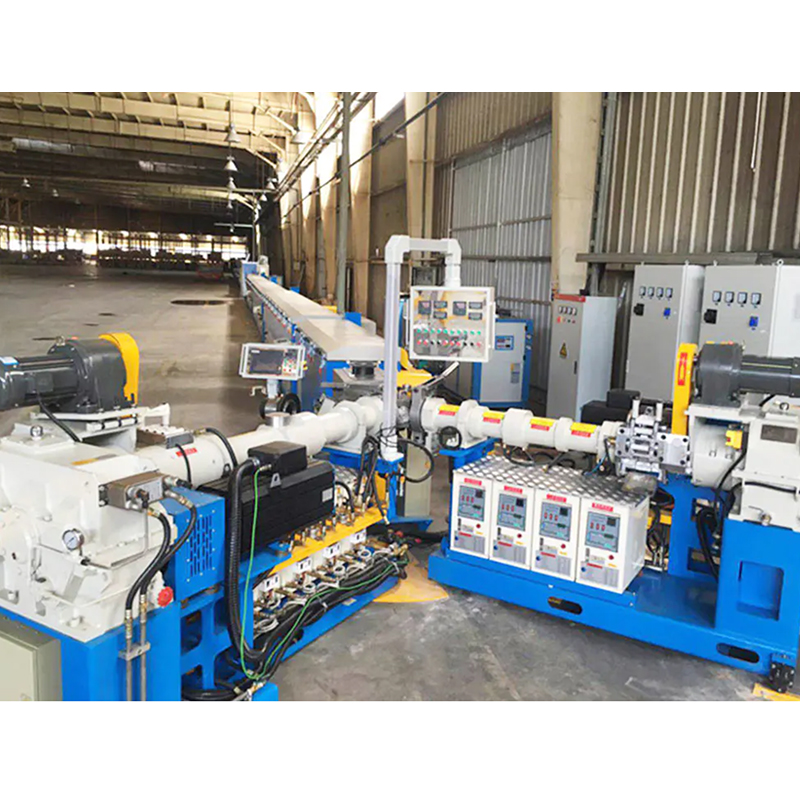
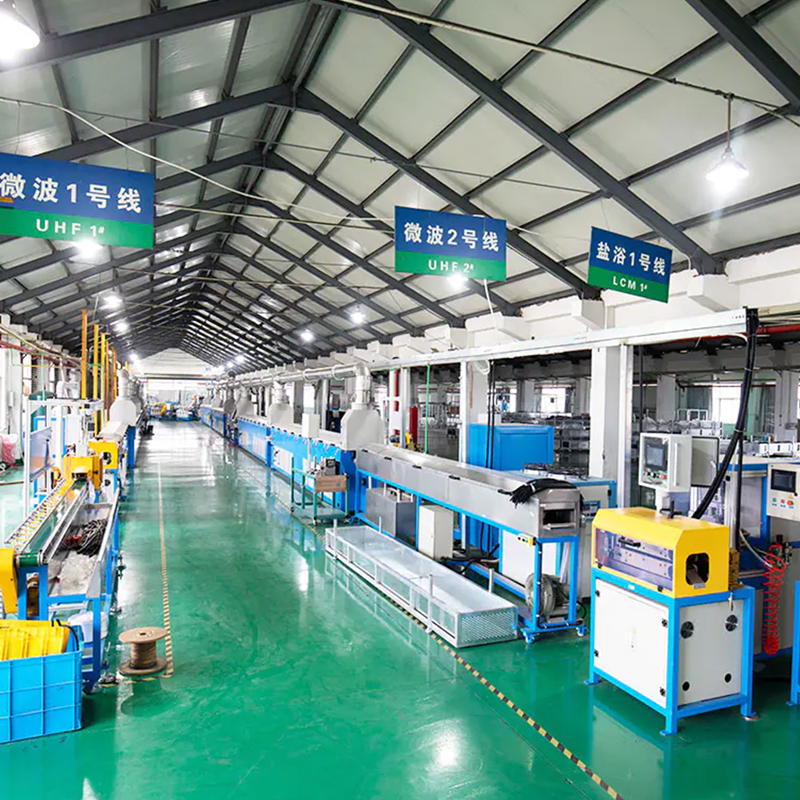
OTT RubberTech is a professional solution provider of rubber process formula, material, machinery with Mixer, Rubber Mixer, Mixing Mill, Precision Performer, Vulcanizing Press, Calender, batch-off Cooling unit, rubber Extruder, and other support plastic machines.
Features and Performance
The performance of a precision extruder line is defined by its dimensional stability and the surface finish of the extruded profile. A key feature of modern lines is the integration of a gear pump between the screw and the die head. The gear pump acts as a metering device, neutralizing any pressure pulsations from the screw and ensuring a perfectly steady flow of rubber to the die.
| Feature | Technical Advantage |
|---|---|
| Gear Pump Integration | Ensures pulse-free extrusion and constant pressure |
| Laser Micrometers | Non-contact, real-time dimensional measurement |
| Multi-Zone Heating | Precise temperature control across the barrel and head |
| Vacuum Degassing | Eliminates porosity and surface defects |
| Closed-Loop Control | Automatic adjustment of puller speed based on size |
| Bimetallic Barrel | Extended life when processing abrasive materials |
These lines also feature sophisticated cooling systems, such as water spray tanks or air cooling tunnels, which are carefully calibrated to prevent the profile from deforming as it cools. The puller unit is synchronized with the extruder speed using high-precision servo motors, preventing any stretching or compression of the material as it leaves the die. The result is a profile that meets even the most demanding aerospace or medical specifications for cross-sectional accuracy.
Usage Tips and Techniques
Successful operation of a precision extruder line depends on the careful management of the "head pressure" and the "puller speed." A slight imbalance between these two variables will cause the profile to be over-sized or under-sized. Operators should use the laser micrometer readings to guide their adjustments and avoid over-reacting to minor fluctuations. Proper die design is also critical; the die must account for the "die swell" characteristic of the specific rubber compound being used.
| Optimization Focus | Actionable Technique |
|---|---|
| Pressure Control | Maintain gear pump inlet pressure within +/- 0.2 MPa |
| Die Swell | Calibrate die dimensions for each specific rubber compound |
| Cooling Setup | Position cooling nozzles to ensure uniform thermal contraction |
| Puller Tension | Adjust puller grip pressure to avoid surface marking |
| Start-up Protocol | Run a purge compound until temperatures are fully stabilized |
When extruding thin-walled tubing, maintaining a constant internal air pressure (air support) is necessary to prevent the tube from collapsing before it is cooled. The air pressure must be extremely low and perfectly steady, often requiring a dedicated high-precision regulator. For complex profiles, using a multi-zone cooling trough where the water temperature is gradually reduced can prevent internal stresses and warping of the finished product.
Maintenance Skills
Maintenance for an extruder line is a comprehensive task that includes the extruder, the gear pump, and all downstream equipment. The gear pump is a high-precision component that is sensitive to metal contamination; thus, the use of a break-plate and a fine mesh filter (screen pack) is mandatory. The screen pack should be replaced regularly to prevent high back-pressure that can damage the screw or the pump bearings.
| Line Component | Maintenance Task | Frequency |
|---|---|---|
| Screen Pack | Replace filter meshes to maintain pressure flow | As needed / Per shift |
| Gear Pump Seals | Inspect for material leakage or seal wear | Weekly |
| Puller Belts | Check for wear and maintain proper tension | Monthly |
| Laser Sensors | Clean lenses and recalibrate against a standard | Monthly |
| Cooling Nozzles | Unclog spray heads and clean water filters | Weekly |
The alignment of the entire line—from the extruder die to the final cutter—must be checked periodically. Misalignment can cause the profile to pull to one side, leading to dimensional inaccuracies or surface defects. Lubrication of the puller and cutter mechanical parts is essential to prevent jerky movements that could cause "chatter marks" on the extrusion. Finally, the electrical system, especially the communication cables for the closed-loop control system, should be inspected for integrity to prevent signal interference.
Application Scenarios
Rubber precision extruder lines are used in the most demanding sectors of the rubber industry. They are the standard for producing automotive weatherstripping, fuel lines, and air conditioning hoses. In the medical field, these lines produce high-purity catheters and surgical tubing. They are also used for high-end industrial seals, such as those found in glass curtain walls and cleanroom environments.
| Industry Sector | Specific Extrusion Application |
|---|---|
| Medical / Healthcare | Surgical tubing, catheters, and peristaltic pump tubes |
| Automotive | Fuel hoses, window seals, and sunroof gaskets |
| Aerospace | Specialized hydraulic lines and firewall seals |
| Architecture | Structural glazing gaskets and door seals |
| Industrial Equipment | Pneumatic hoses and high-pressure gaskets |
In the manufacture of silicone medical tubing, the precision line ensures that the wall thickness is perfectly uniform, which is vital for maintaining consistent flow rates in medical devices. For automotive manufacturers, these lines provide the high-speed production of EPDM window profiles that must fit perfectly into the vehicle frame to ensure noise and water insulation. The ability to co-extrude two different materials (such as a hard rubber base with a soft sponge bulb) is another high-performance application of these versatile production lines.

