
 English
 русский
 Español
 عربى
عربى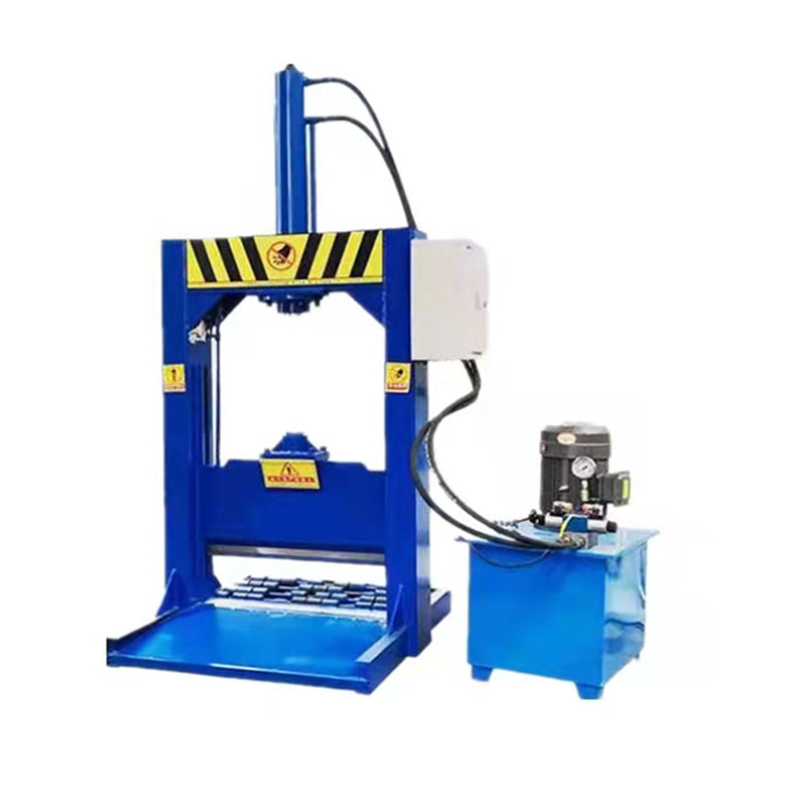
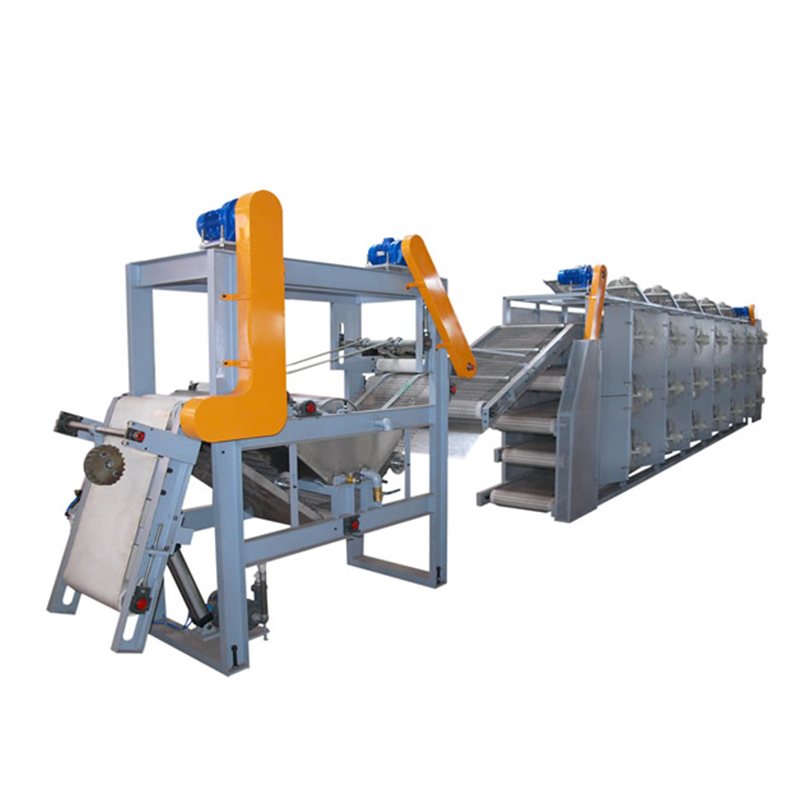
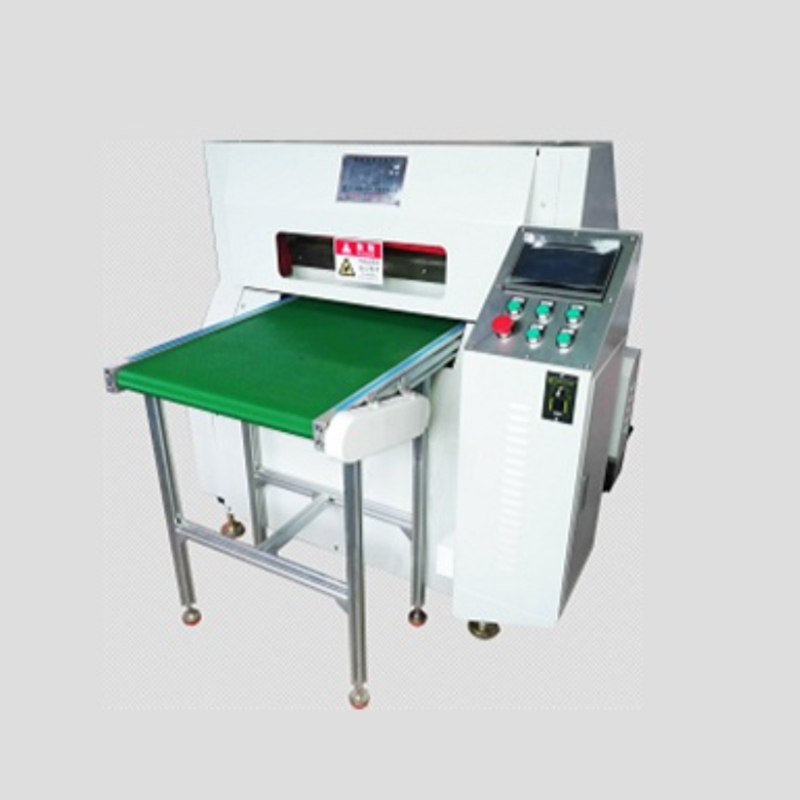
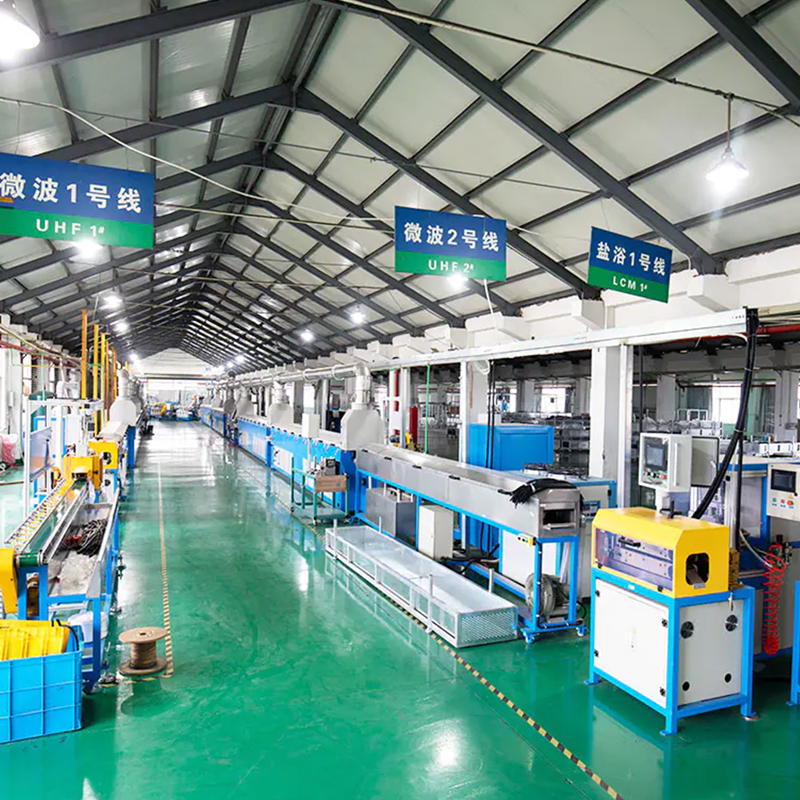
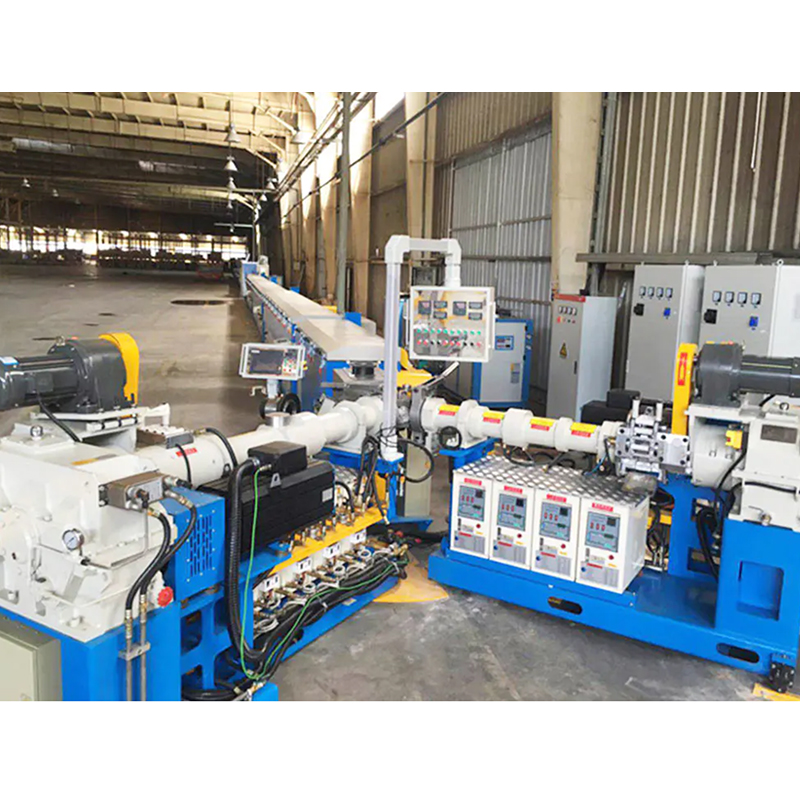
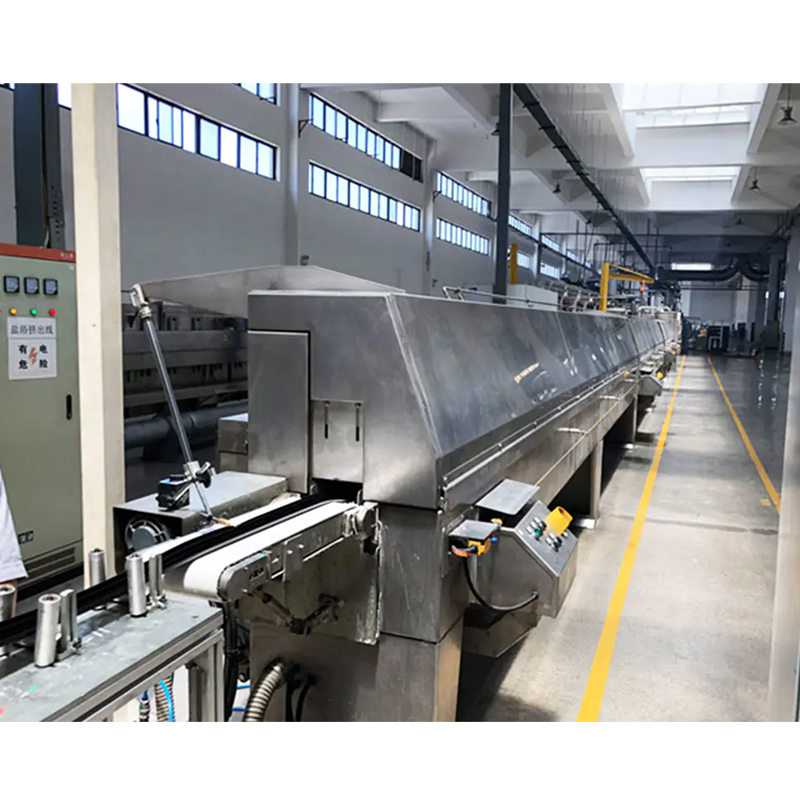
OTT RubberTech is a professional solution provider of rubber process formula, material, machinery with Mixer, Rubber Mixer, Mixing Mill, Precision Performer, Vulcanizing Press, Calender, batch-off Cooling unit, rubber Extruder, and other support plastic machines.
Features and Performance
The performance of a cooling machine is measured by its cooling rate per meter and the consistency of the anti-tack application. High-efficiency units feature long transport paths and multiple high-power fan zones to ensure the rubber reaches room temperature before it is stacked or palletized.
| System Feature | Performance Capability |
|---|---|
| Immersion Tank | Stainless steel with automatic concentration control |
| Cooling Fans | High-CFM fans with adjustable speed zones |
| Conveyor Type | Stainless steel chain or mesh belt |
| Gripping Unit | Automatic pick-up from the mixing mill |
| Stacking Unit | Automatic wig-wag or cutter-stacker options |
| Drive System | Synchronized with the mixing mill speed |
Key features include the use of corrosion-resistant materials throughout the machine to withstand constant exposure to water and anti-tack chemicals. Modern batch-off units are fully automated, utilizing sensors to detect the presence of rubber and adjust the conveyor speed accordingly. This prevents material bunching and ensures that each part of the rubber sheet receive uniform airflow, resulting in consistent cooling across the entire batch.
Usage Tips and Techniques
To ensure the rubber does not stick during storage, the anti-tack solution must be maintained at the correct concentration. If the solution is too weak, the rubber will bond; if it is too strong, it can interfere with subsequent processing or bonding. Operators should use a refractometer to check the chemical concentration at the start of every shift. Proper adjustment of the "wig-wag" or stacking unit is also essential to ensure the rubber is folded neatly on the pallet.
| Operation Task | Optimization Technique |
|---|---|
| Chemical Management | Monitor anti-tack concentration every 4 hours |
| Temperature Check | Rubber temperature should be below 40C at the exit |
| Speed Sync | Match cooling speed to the mill output to prevent stretching |
| Fan Direction | Adjust air nozzles to target both sides of the sheet |
| Tank Cleaning | Flush the immersion tank weekly to remove sediment |
When cooling very thin sheets, reducing the fan speed may be necessary to prevent the rubber from fluttering or falling off the conveyor. For thick slabs, increasing the immersion time in the tank can provide an initial thermal shock that speeds up the overall cooling process. Using chilled water in the immersion tank is another effective technique for handling high-volume production lines where the rubber leaves the mixer at extremely high temperatures.
Maintenance Skills
Maintenance for cooling machines centers on the conveyor system and the chemical spray/immersion components. The anti-tack solution can be abrasive and corrosive, leading to wear on the conveyor chains and rollers. Regular lubrication with water-resistant grease is mandatory. Additionally, the fan blades and cooling fins should be cleaned periodically to remove dust and chemical buildup, which can significantly reduce airflow efficiency.
| Maintenance Area | Procedure | Frequency |
|---|---|---|
| Conveyor Chains | Inspect for tension and lubricate with waterproof grease | Weekly |
| Cooling Fans | Clean blades and check motor vibration | Monthly |
| Anti-Tack Pump | Inspect seals and clean intake filters | Weekly |
| Sensors | Clean photo-electric eyes for material detection | Daily |
| Immersion Tank | Deep clean and remove accumulated sludge | Monthly |
It is also important to check the alignment of the conveyor system. If the machine is out of alignment, the rubber sheet may track to one side, leading to edge damage or tangling in the fan units. The electrical system, particularly the safety pull-cords that run the length of the machine, must be tested daily. Any buildup of anti-tack powder in the electrical cabinets should be removed with compressed air to prevent short circuits and electronic failure.
Application Scenarios
Rubber cooling machines are found in every mixing room, from tire factories to small-scale custom compounding shops. They are used immediately following internal mixers or open mills to prepare the material for storage or for transport to the next production stage. The ability to handle various forms of rubber, including continuous sheets and narrow strips, makes them highly versatile.
| Factory Type | Usage Context |
|---|---|
| Tire Plants | Cooling masterbatch sheets for tread and sidewalls |
| Technical Rubber | Preparing rubber strips for cold-feed extruders |
| Custom Compounders | Cooling multi-color slabs for various clients |
| Footwear Factories | Cooling colored rubber for shoe outsoles |
| Recycling Plants | Cooling reclaimed rubber sheets after refining |
In high-speed tire production, the batch-off unit must handle massive volumes of rubber, requiring a large footprint and many fan zones. In contrast, for high-purity applications like medical rubber, the cooling machine may be shorter and use specialized, residue-free anti-tack agents. These machines are also used to "prime" the rubber with specific coatings required for later bonding processes, making them a functional part of the chemical application strategy.

