
 English
 русский
 Español
 عربى
عربى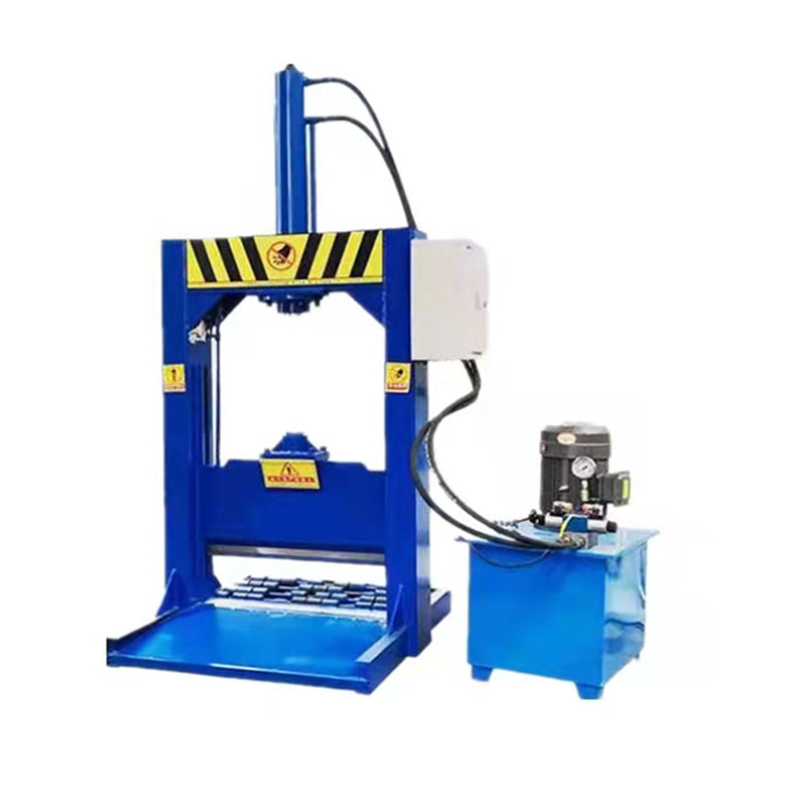
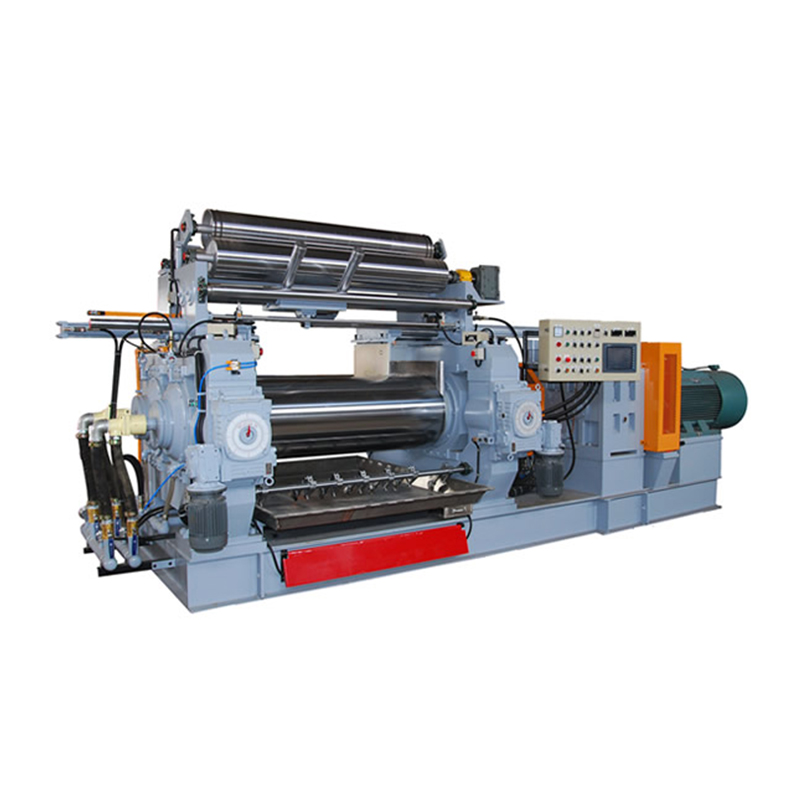
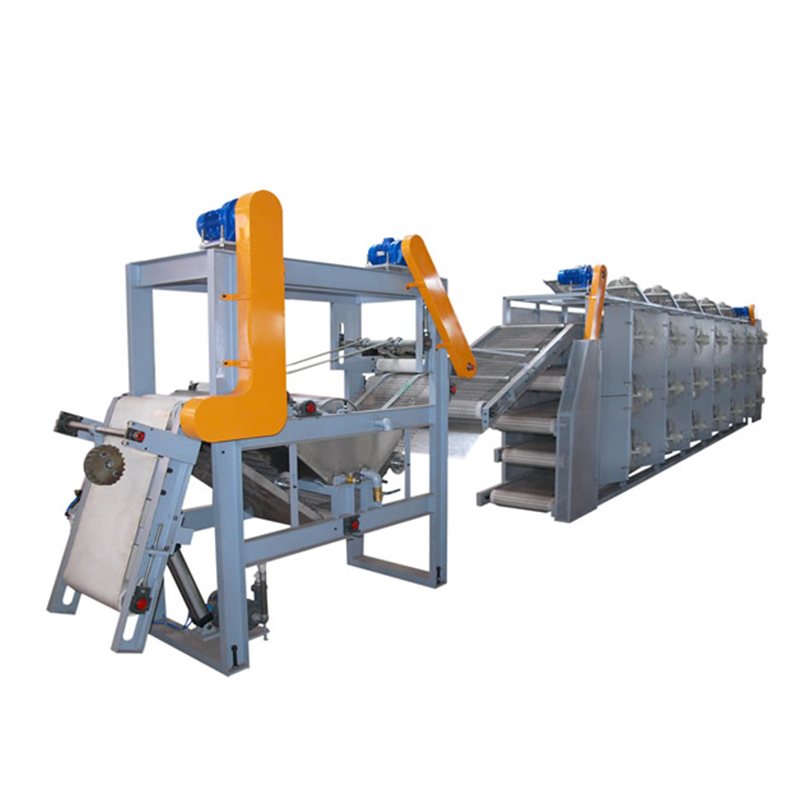
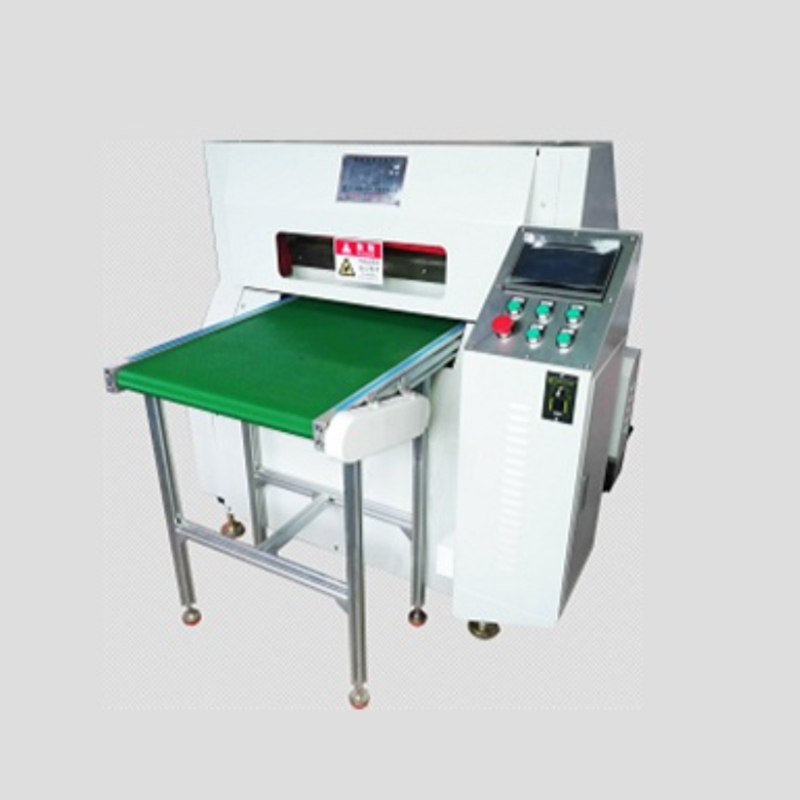
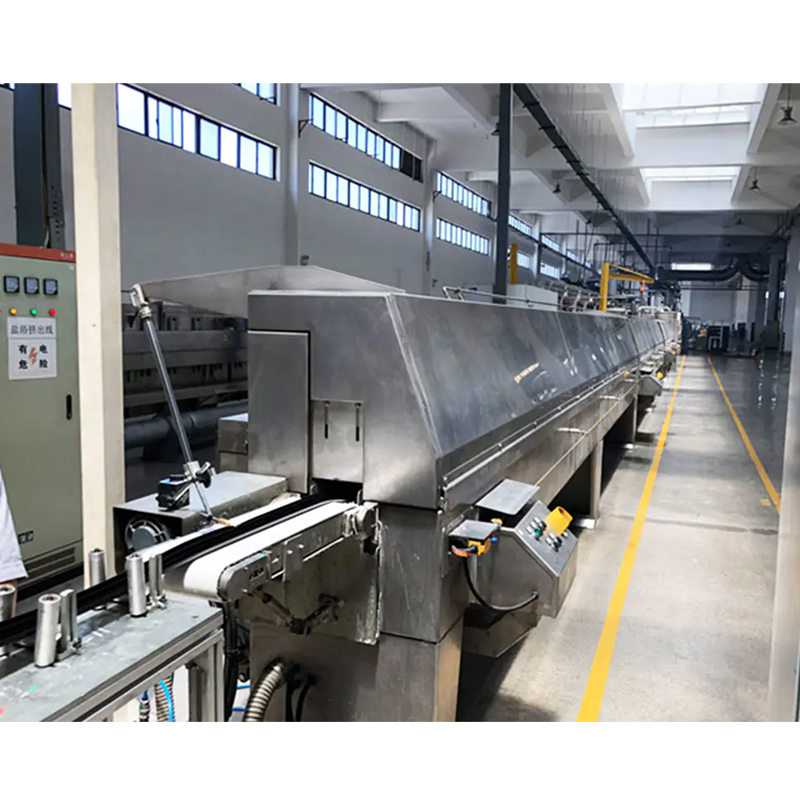
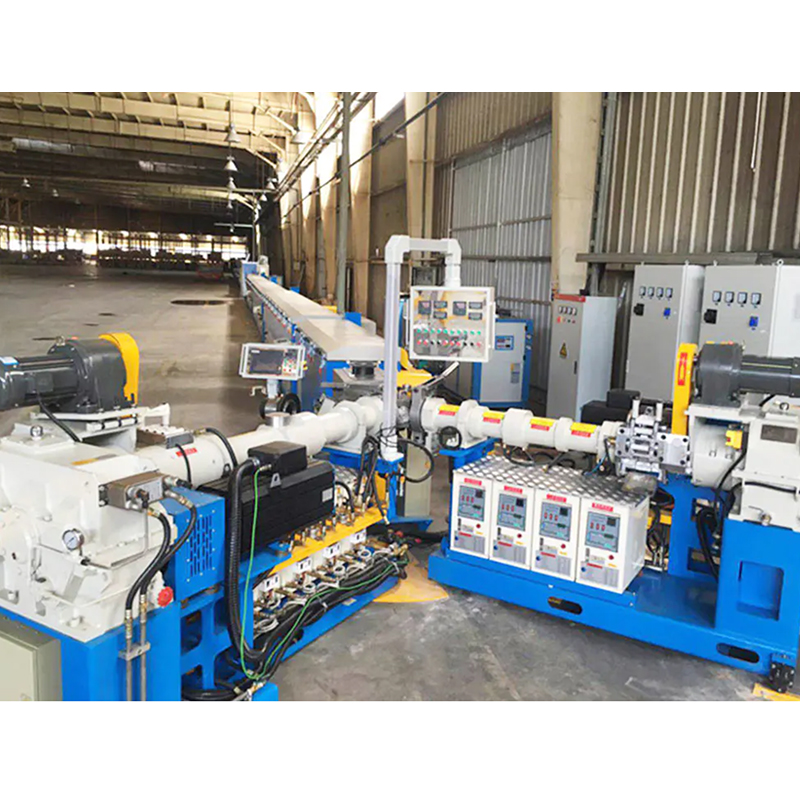
OTT RubberTech is a professional solution provider of rubber process formula, material, machinery with Mixer, Rubber Mixer, Mixing Mill, Precision Performer, Vulcanizing Press, Calender, batch-off Cooling unit, rubber Extruder, and other support plastic machines.
Features and Performance
The performance of a lab mill is defined by its roll temperature control and the precision of the nip (gap) adjustment. Modern lab mills feature chrome-plated rolls and high-precision digital gap displays for exact material thickness control.
| Technical Feature | Performance Standard |
|---|---|
| Roll Diameter | Typically 100mm to 150mm |
| Friction Ratio | Adjustable (e.g., 1:1.1 to 1:1.4) |
| Temp Control | Electric or oil-heated up to 200C |
| Roll Surface | Mirror-polished or textured chrome |
| Safety Rating | Emergency knee-bars and pull-cords |
| Drive System | Variable speed AC or Servo motors |
Key features include advanced safety systems, as open mills are inherently dangerous; modern units feature "braking" systems that stop the rolls in less than a quarter turn. The rolls are usually cored for water cooling, allowing the operator to manage the heat generated by mechanical shear. Digital displays for roll speed and temperature provide the necessary data logging for R&D repeatability. Compact, tabletop designs are available for space-constrained labs, while floor-standing models offer more power for high-viscosity compounds like FKM or hard EPDM.
Usage Tips and Techniques
To ensure a uniform mix on a lab mill, the operator should use the "cross-cutting" technique, where the rubber is cut and folded back on itself multiple times. This ensures that the ingredients are dispersed across the entire width of the rolls. Maintaining the correct "nip" gap is also critical; a gap that is too wide will not provide enough shear, while a gap that is too narrow can cause the rubber to overheat and scorch.
| Mixing Task | Optimization Technique |
|---|---|
| Mastication | Start with a narrow gap to break down the polymer chains |
| Ingredient Addition | Add powders slowly to the center of the "bank" |
| Cross-Cutting | Perform at least 6 cuts from each side during the cycle |
| Temp Management | Use cooling water to keep temp below the scorch point |
| Sample Sheet | End the mix with 3 final passes at a set gap for uniformity |
A useful technique for heat-sensitive compounds is to add the accelerators at the very end of the mix and immediately "sheet off" the material onto a cold surface. When mixing different colors, the rolls must be cleaned meticulously with a "cleaning compound" to prevent contamination. For research into new fillers, adding the filler in three distinct stages allows the operator to observe how the viscosity changes, providing insights into the filler-polymer interaction.
Maintenance Skills
Maintenance for lab mills focuses on roll surface integrity and safety system testing. The rolls should be inspected daily for scratches or pits, as these will affect the quality of the rubber sheet and make cleaning difficult. The emergency stop systems (knee bars and pull cords) must be tested before every single shift without exception. Lubrication of the roll neck bearings and the adjustment screws is essential for smooth operation.
| Maintenance Area | Procedure | Frequency |
|---|---|---|
| Roll Surfaces | Clean with non-abrasive solvent and soft cloth | Daily |
| Safety Brake | Test response time and stopping distance | Daily |
| Gap Adjustment | Lubricate screws and verify digital display zero | Monthly |
| Heating Elements | Check for consistent heating across the roll width | Quarterly |
| Drive Chain/Belt | Inspect for wear and correct tension | Monthly |
Maintenance staff should also check the cooling water lines for mineral buildup, which can lead to "hot spots" on the rolls. The oil levels in the gearbox should be monitored, and the oil should be changed annually to prevent gear wear. If the mill uses a friction ratio gearbox, ensure the gears are in good condition to prevent "chatter marks" on the rubber. Finally, keeping the area around the mill clean and free of powder buildup prevents electrical issues and ensures a safe working environment for the lab staff.
Application Scenarios
Laboratory mills are found in the R&D centers of tire companies, chemical suppliers, and technical rubber molders. They are used for developing new recipes, testing the quality of incoming raw materials, and producing small samples for customer approval. They are also used in universities for polymer science research.
| Lab Type | Typical Usage |
|---|---|
| Chemical Supplier | Testing the effect of new accelerators or antioxidants |
| Tire R&D | Developing tread compounds for specific performance |
| Factory QC | Testing a "sample mix" of every raw material lot |
| University Lab | Studying polymer rheology and mixing dynamics |
| Custom Molder | Developing color-matched compounds for clients |
In a factory quality control lab, the mill is used to mix a standard test batch from each new shipment of natural rubber to verify its processability before it enters the main production line. For custom molders, the lab mill allows for the rapid creation of "color plaques" to show customers exactly how a finished part will look. The versatility and precision of the lab mill make it the most widely used piece of equipment in the rubber development process.

