
 English
 русский
 Español
 عربى
عربى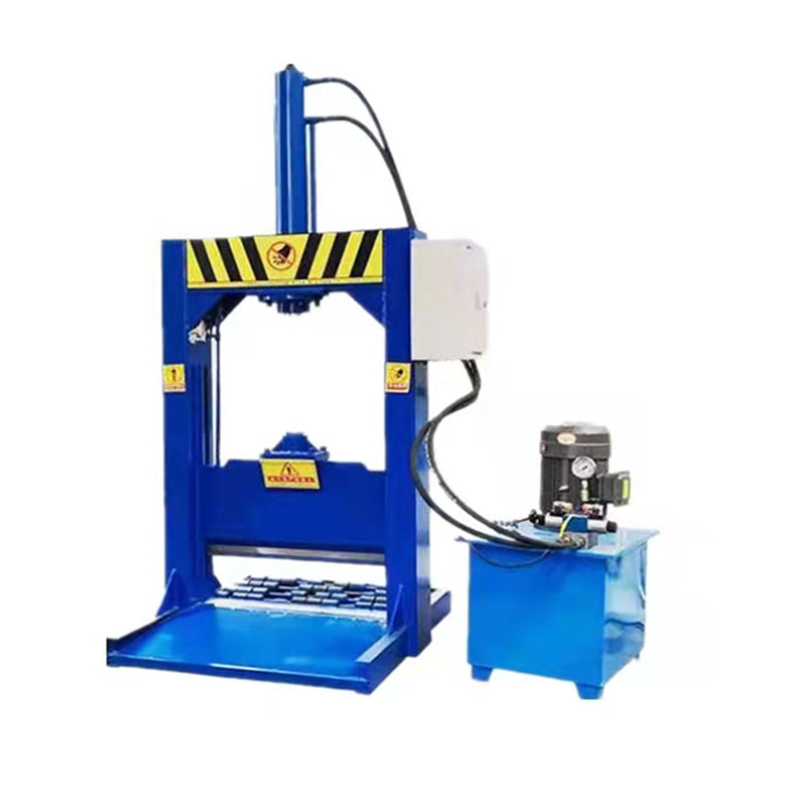
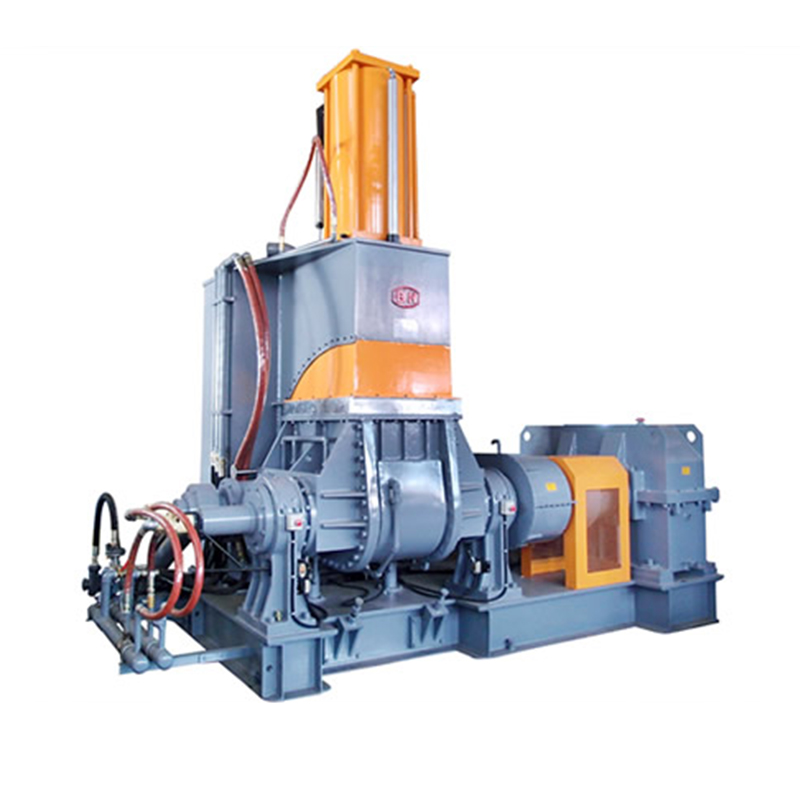
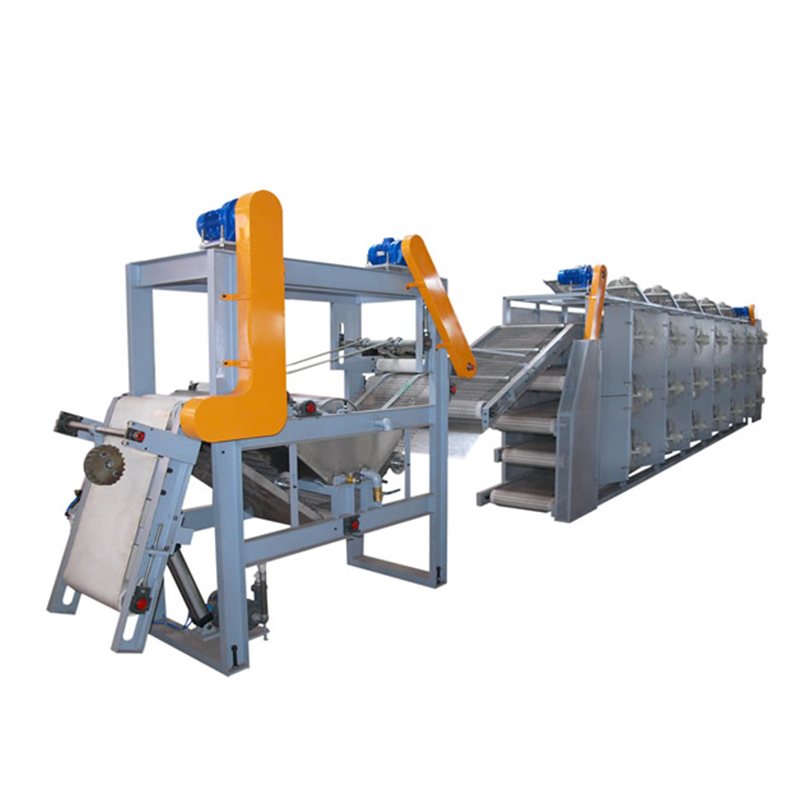
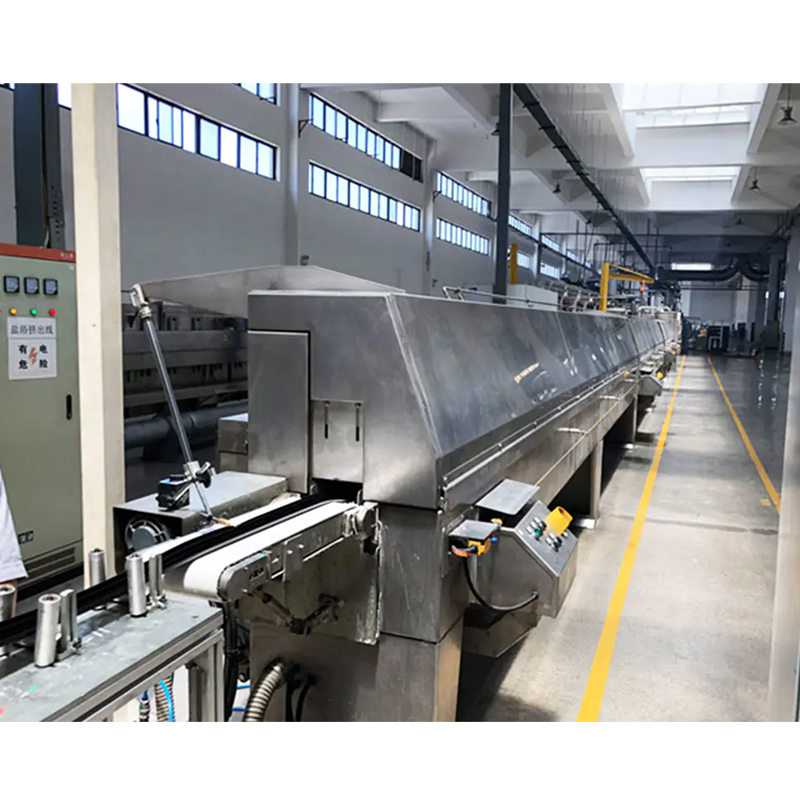
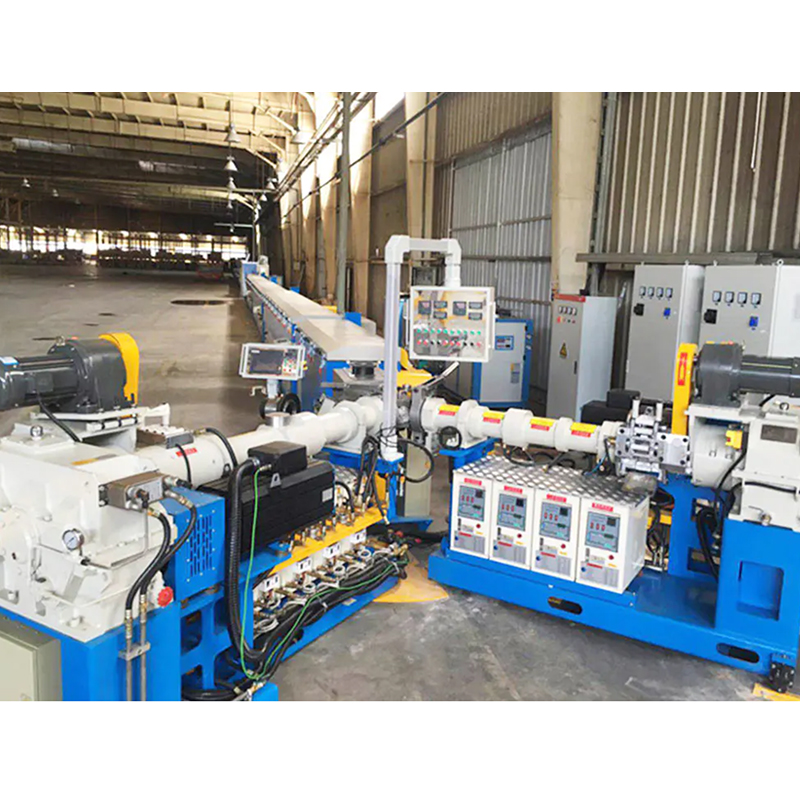
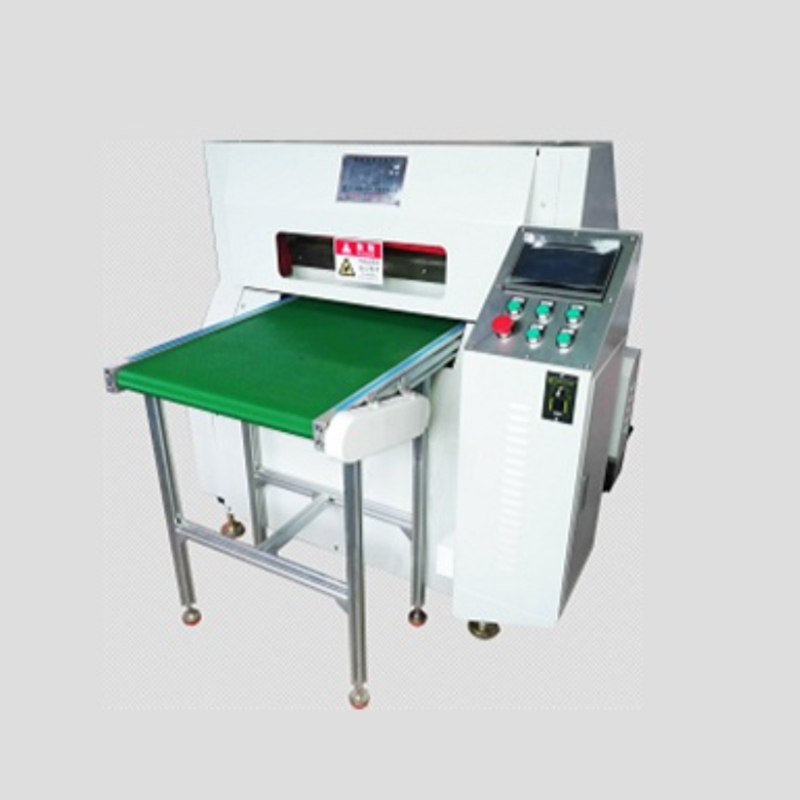
OTT RubberTech is a professional solution provider of rubber process formula, material, machinery with Mixer, Rubber Mixer, Mixing Mill, Precision Performer, Vulcanizing Press, Calender, batch-off Cooling unit, rubber Extruder, and other support plastic machines.
Features and Performance
The performance of a lab press is defined by its "Platen Parallelism" and the uniformity of the heat distribution across the plates. Even a 2-degree variation across the platen can lead to inconsistent curing of the test plaque.
| Technical Feature | Performance Standard |
|---|---|
| Clamping Force | Range from 20 to 100 tons |
| Platen Size | Typically 300x300mm or 400x400mm |
| Temperature Range | Ambient to 250 or 300 degrees Celsius |
| Heating Method | Electric Cartridges or Oil-Heated Platens |
| Control System | Programmable PLC with multi-stage curing |
| Pressure Accuracy | Plus or minus 0.5 MPa |
Key features include a digital "Cure Timer" and an automatic "Degassing" function (or "Bumping"), which quickly opens and closes the press at the start of the cycle to release trapped air and moisture. Modern lab presses often feature dual-stage hydraulic pumps for fast closing and slow, precise pressure buildup. Water-cooling channels in the platens allow for rapid cooling of the mold after the cure cycle is complete, which is vital for certain thermoplastic elastomers or for fast-turnaround testing in a busy lab.
Usage Tips and Techniques
To get perfect test plaques, the rubber should be weighed precisely to match the volume of the mold cavity plus a small amount of "overflow" (typically 5-10 percent). This ensures the mold is completely filled and the pressure is transmitted through the material rather than just bottoming out on the mold frame. A key technique is to use a "mold release" agent or a layer of PET film to prevent the rubber from sticking to the heated platens.
| Processing Step | Optimization Technique |
|---|---|
| Mold Preparation | Pre-heat the mold to the target temperature before loading |
| Loading | Place the rubber centrally to ensure even flow |
| Degassing | Perform 2-3 "bumps" in the first 30 seconds of the cycle |
| Cure Time | Base the time on the T90 value from the Rheometer (MDR) |
| Cooling | Use a "cold press" if available to stabilize the parts after curing |
Operators should monitor the "Pressure Drop" during the first few minutes of the cycle; as the rubber warms and flows, the pressure will drop, and the press must automatically compensate to maintain the setpoint. It is also important to use a "thickness gauge" on the finished plaque to verify that the mold was fully closed; if the plaque is too thick, the physical properties (like Tensile Strength) will be calculated incorrectly.
Maintenance Skills
Maintenance for lab presses focuses on the hydraulic system and the accuracy of the temperature controllers. Because these presses operate at high temperatures, the hydraulic oil can degrade over time and should be checked for clarity and smell. The heating cartridges in the platens should be tested for "continuity" to ensure there are no cold spots that would result in under-cured samples.
| Maintenance Area | Procedure | Frequency |
|---|---|---|
| Heated Platens | Verify temp with a surface probe at 5 points | Monthly |
| Hydraulic Oil | Check level and inspect for leaks at the ram | Weekly |
| Platen Parallelism | Check with a feeler gauge or lead-wire test | Annually |
| Safety Guards | Test the light curtains or e-stop functionality | Daily |
| Degassing Valves | Verify the solenoids for the "bumping" action | Monthly |
Maintenance staff should keep the platens perfectly clean; any buildup of burnt rubber or mold release will cause uneven thickness and poor surface finish on the samples. The platens should be cleaned with a brass brush or a specialized platen cleaner while hot. It is also important to check the "Zero" of the pressure gauge regularly, as an incorrect pressure reading can lead to "porosity" in the samples if the clamping force is too low.
Application Scenarios
Laboratory presses are the final step in the material preparation process in any rubber lab. They are used for making ASTM/ISO test plaques, compression set buttons, and prototypes. They are found in the labs of tire manufacturers, custom compounders, and university polymer departments.
| Industry Sector | Typical Press Usage |
|---|---|
| Quality Control | Curing standard test plaques for batch release |
| R&D Lab | Optimizing the "Cure Window" for new accelerators |
| Custom Molding | Producing "sample parts" for customer prototypes |
| Material Research | Curing rubber-to-metal bonding test specimens |
| Educational | Demonstrating the vulcanization process to students |
In the tire industry, lab presses are used to cure "tread blocks" for abrasion and traction testing. For chemical suppliers, the press is used to produce a series of plaques with varying sulfur levels to create "Cure Study" graphs. The consistency provided by a high-quality lab press is what allows rubber chemists to trust their data and make informed decisions about large-scale factory production.

