
 English
 русский
 Español
 عربى
عربى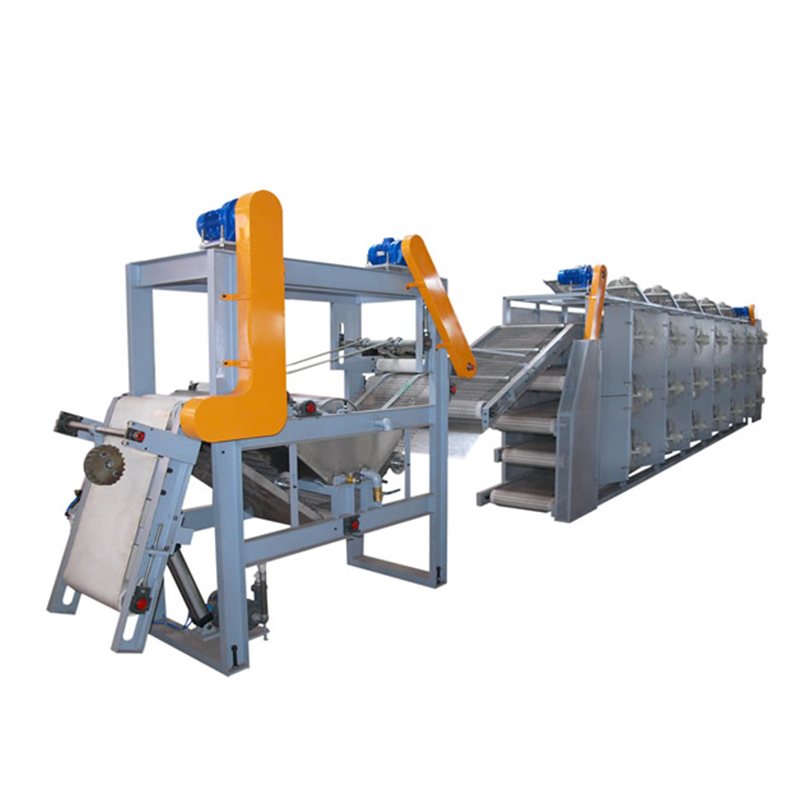
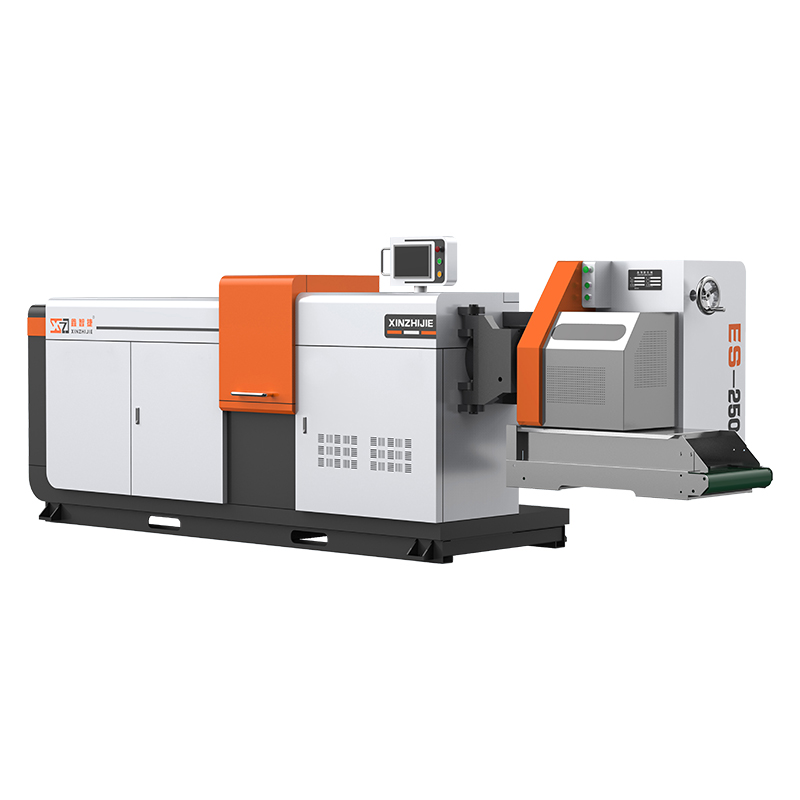
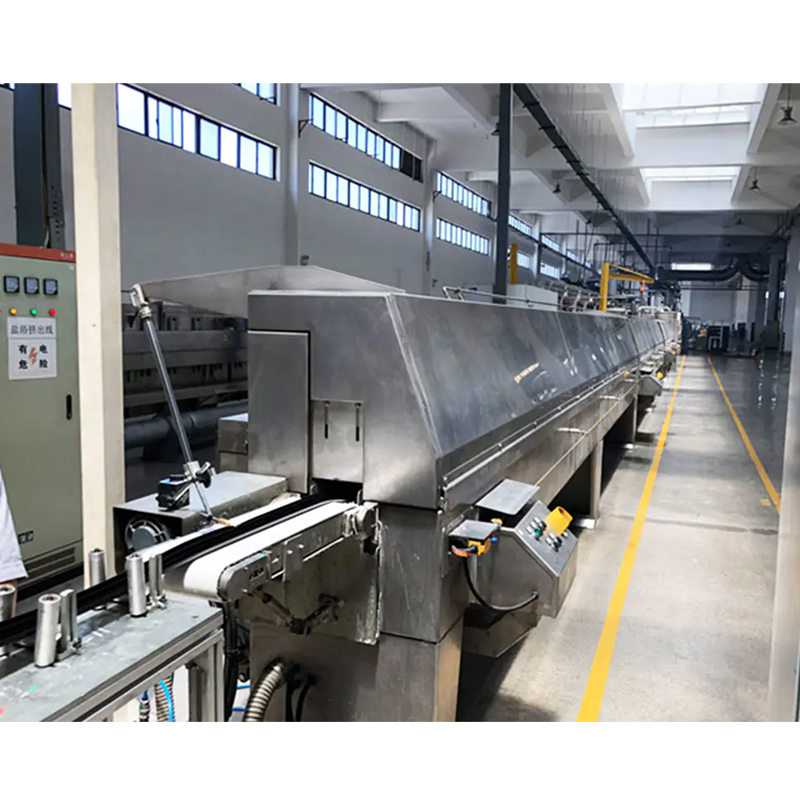
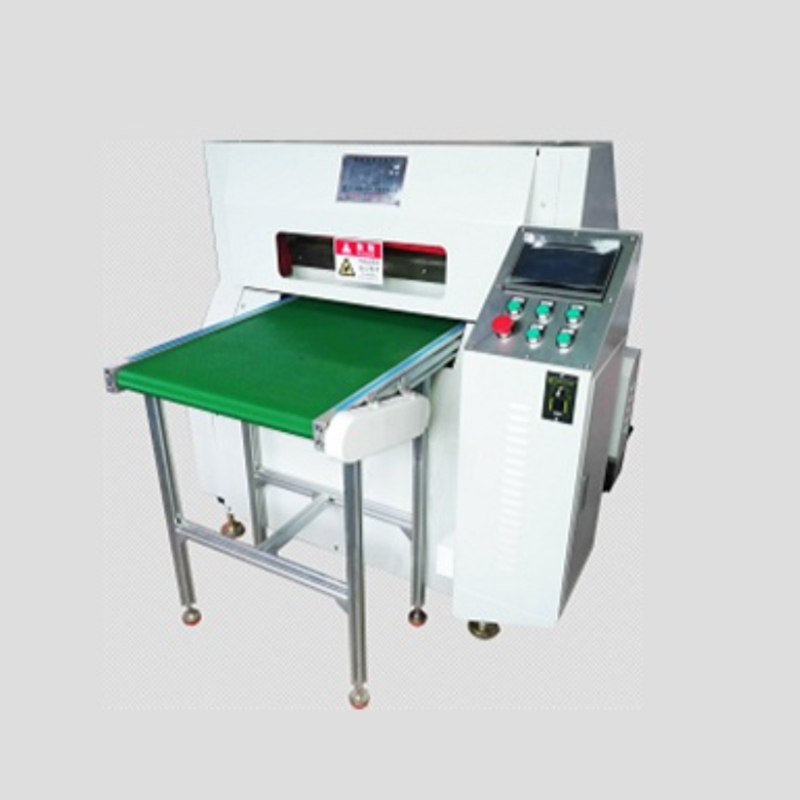
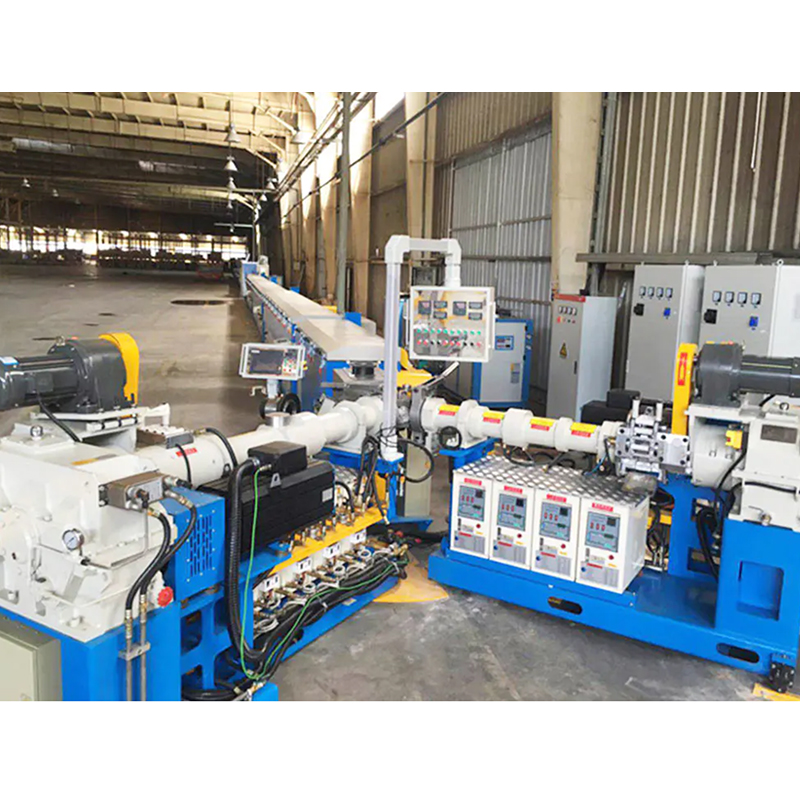
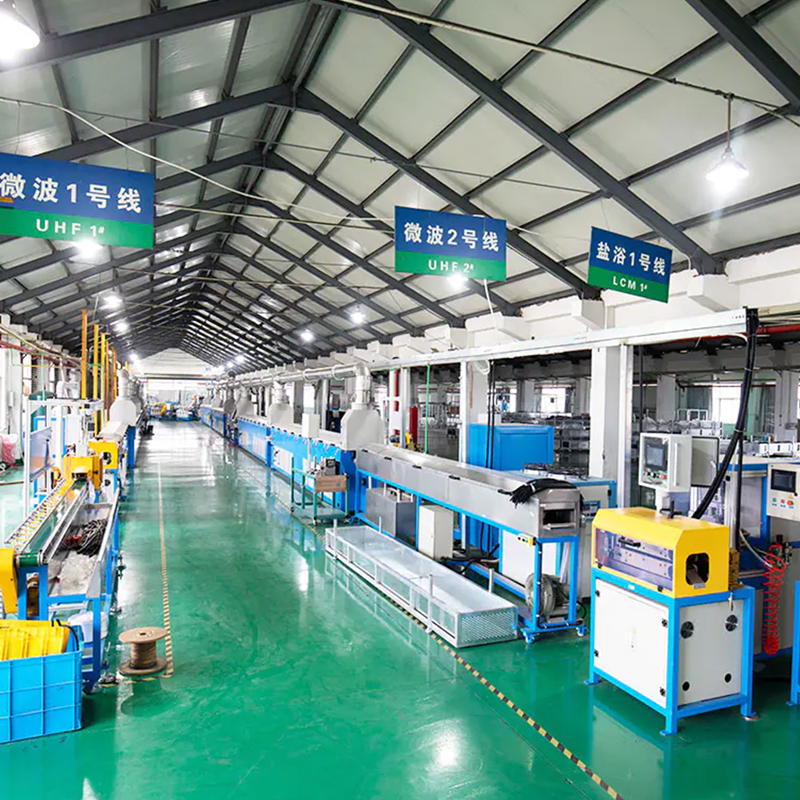
OTT RubberTech is a professional solution provider of rubber process formula, material, machinery with Mixer, Rubber Mixer, Mixing Mill, Precision Performer, Vulcanizing Press, Calender, batch-off Cooling unit, rubber Extruder, and other support plastic machines.
Features and Performance
The performance of a precision compounding mill is defined by its ability to maintain a consistent processing environment regardless of the material viscosity. Advanced thermal management systems use oil or pressurized water to maintain the roll surface temperature within a very narrow tolerance, often plus or minus one degree Celsius.
| Technical Parameter | Precision Specification |
|---|---|
| Temperature Tolerance | +/- 1掳C via Oil Heating/Cooling |
| Nip Precision | Motorized Adjustment with 0.01mm resolution |
| Rotor Speed Control | Infinitely Variable via Digital Inverter |
| Data Integration | Real-time temperature and torque logging |
| Cleanliness | Stainless Steel Guards and Dust-Free Design |
| Roll Surface | Mirror Polish or Specific Texture Options |
These mills often feature perimeter-drilled rolls which allow for rapid heating and cooling, a necessary feature when processing specialty materials like fluorosilicone or medical-grade silicone. The inclusion of an automatic stock blender can further enhance precision by removing the human variable from the mixing process, ensuring that the material is turned and folded at a constant rate. This leads to compounds with significantly improved physical properties and reduced waste.
Usage Tips and Techniques
When using a precision compounding mill, it is essential to allow the rolls to reach a stable thermal equilibrium before starting the batch. Due to the high sensitivity of the materials processed, even the environmental temperature of the mixing room should be monitored. Using a digital thickness gauge to verify the nip setting before loading the material ensures that the shearing forces are exactly as specified in the formulation's process sheet.
| Optimization Area | Precision Technique |
|---|---|
| Thermal Stability | Pre-heat rolls for 20 minutes before use |
| Additive Precision | Use pre-weighed masterbatch sachets for chemicals |
| Shear Management | Gradually tighten nip during the refining stage |
| Surface Finish | Use nylon scrapers to avoid scratching polished rolls |
| Quality Control | Take samples from three different points along the roll width |
For high-value compounds, a "clean-in-place" protocol should be strictly followed between batches to prevent cross-contamination. This is particularly important when switching between different colors of silicone or when moving from a sulfur-cured compound to a peroxide-cured one. Operators should also utilize the variable speed drive to match the roll velocity to the specific rheology of the rubber, preventing air entrapment and ensuring a smooth, defect-free sheet.
Maintenance Skills
Maintenance for precision mills is more rigorous than for standard machines. The motorized nip adjustment system must be calibrated regularly using feeler gauges to ensure the digital readout remains accurate. Because these machines often use oil-based heating systems, checking for leaks in the rotary joints and thermal fluid hoses is a top priority. Any degradation in the thermal fluid can lead to uneven roll temperatures and batch inconsistency.
| System Component | Maintenance Protocol | Frequency |
|---|---|---|
| Nip Calibration | Verification with precision feeler gauges | Monthly |
| Thermal Fluid | Check for oxidation and fluid level | Quarterly |
| Bearings | Inspection for play or vibration | Bi-Annually |
| Control Sensors | Recalibration of thermocouples | Annually |
| Drive Alignment | Laser alignment of motor and gearbox | Annually |
The roll surfaces require special care; any minor abrasion can affect the quality of the thin sheets produced. Using specialized polishing compounds can help maintain the mirror finish required for medical-grade processing. Additionally, the electrical control cabinet should be kept clean and the cooling fans checked, as the high-precision electronics and inverters are sensitive to the fine dust often found in rubber compounding environments.
Application Scenarios
Precision rubber compounding mills are the tool of choice for laboratories and production lines dealing with high-performance elastomers. Their ability to produce extremely thin, uniform sheets makes them perfect for the manufacturing of diaphragms, gaskets, and specialized medical implants. They are also widely used in the production of conductive and semi-conductive rubber for the electronics industry.
| High-Precision Sector | Specific Application |
|---|---|
| Medical Devices | Implantable silicone and pharmaceutical stoppers |
| Aerospace | Fuel system seals and turbine gaskets |
| Electronics | Keyboard membranes and EMI shielding |
| Renewable Energy | Fuel cell gaskets and solar panel seals |
| Research & Development | Developing high-performance TPE and TPV alloys |
In the semiconductor industry, these mills are used to mix specialty compounds used in cleanroom environments, where the lack of dust generation and the ability to maintain ultra-clean rolls are critical. In R&D centers, the data logging capabilities allow scientists to correlate mixing parameters with the final physical properties of new elastomeric alloys, accelerating the development of next-generation materials for electric vehicle batteries and hydrogen storage systems.

